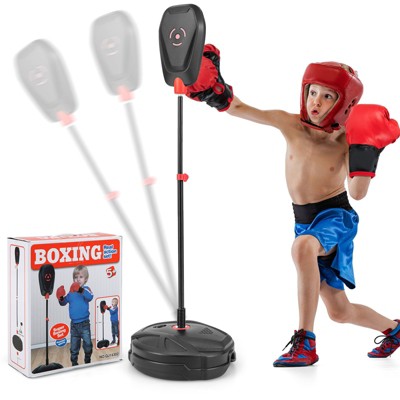
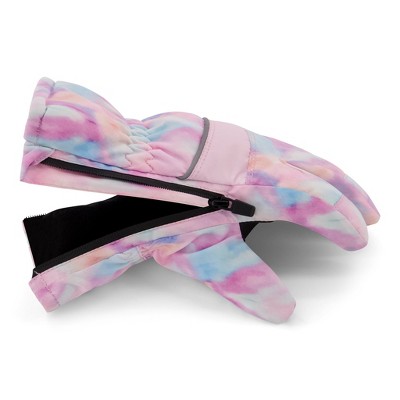
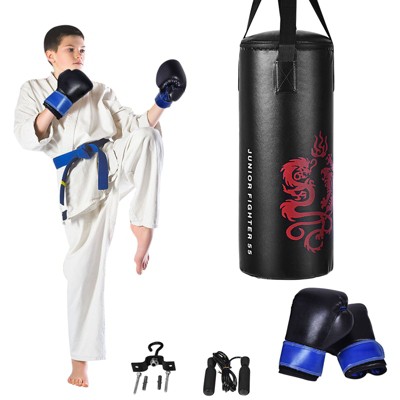
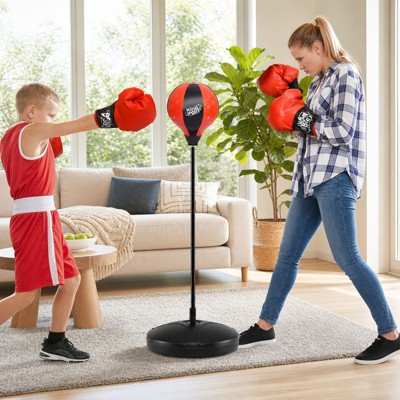
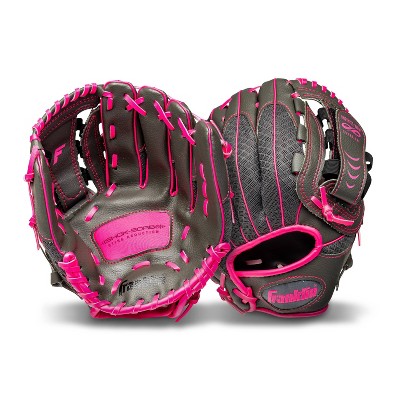
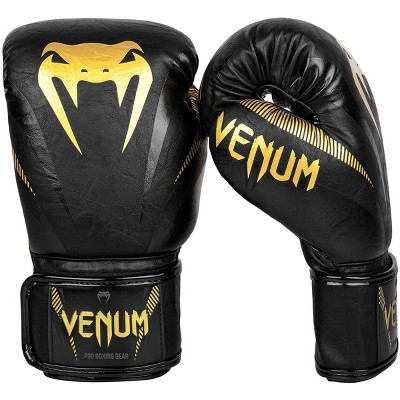
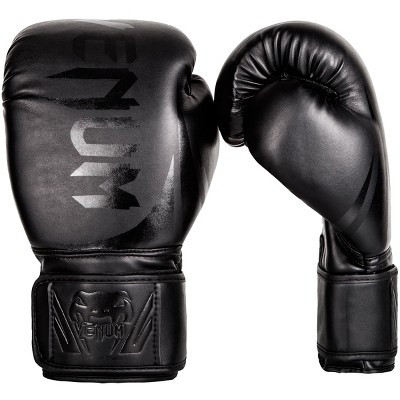
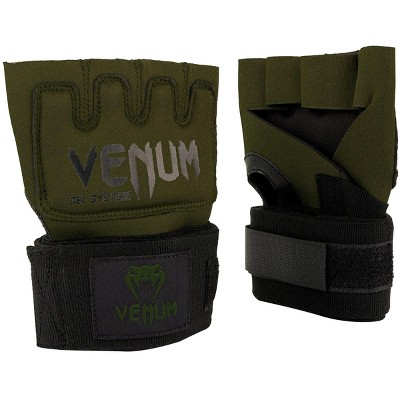
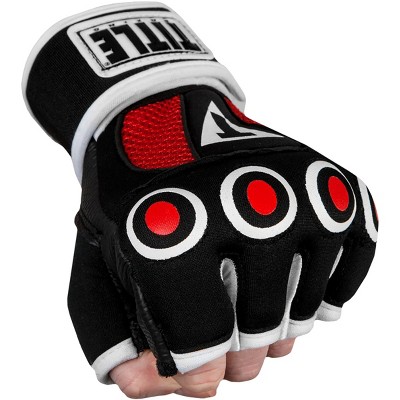
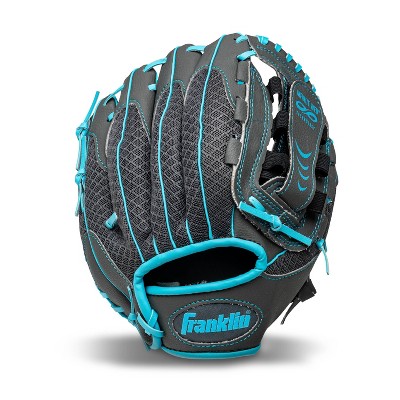
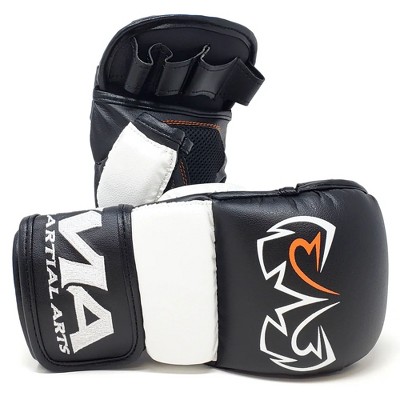
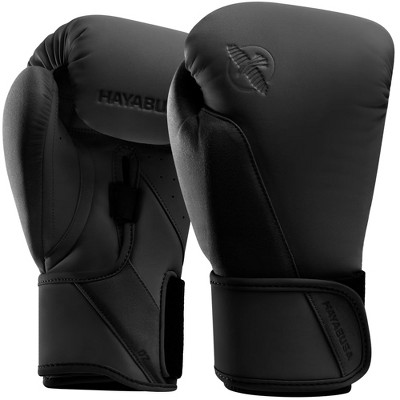
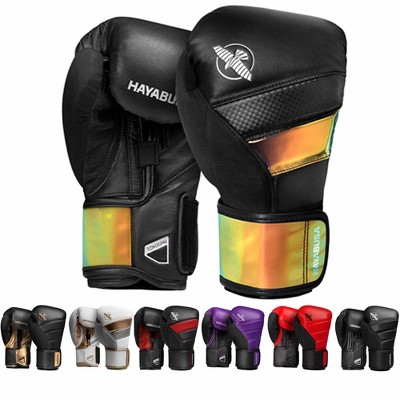
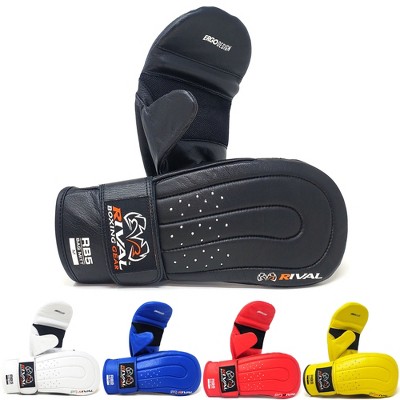
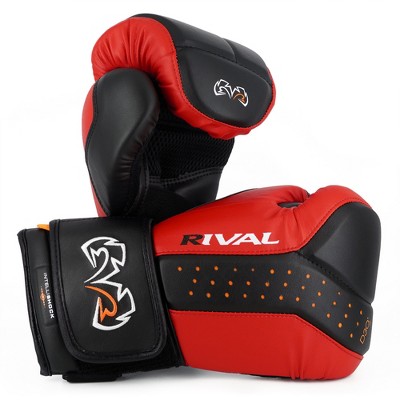
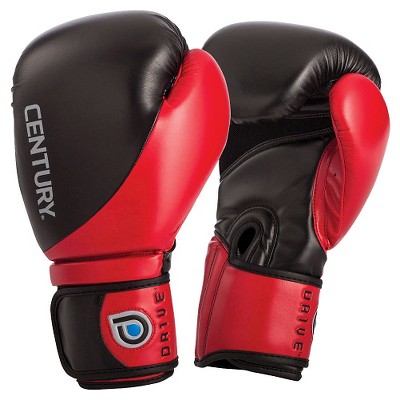
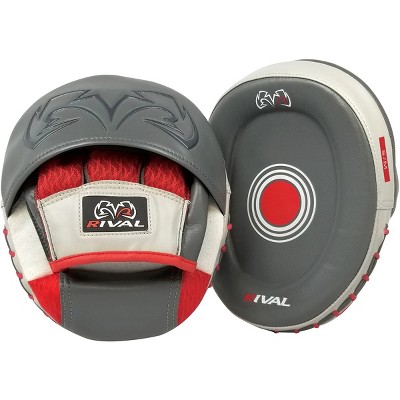
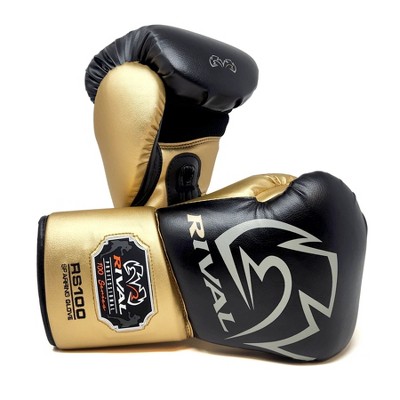
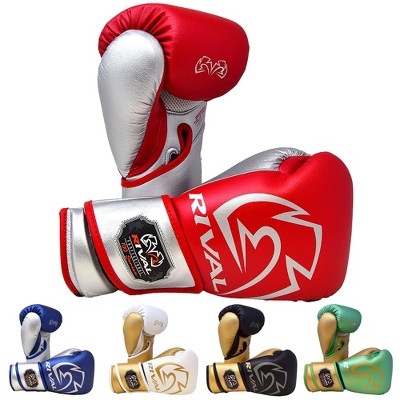
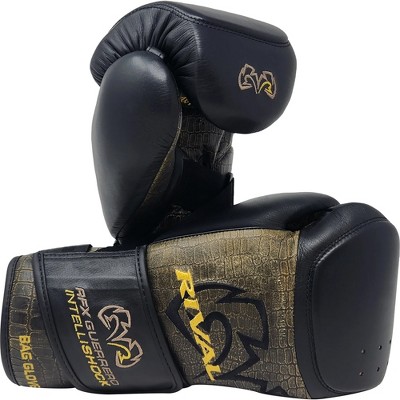
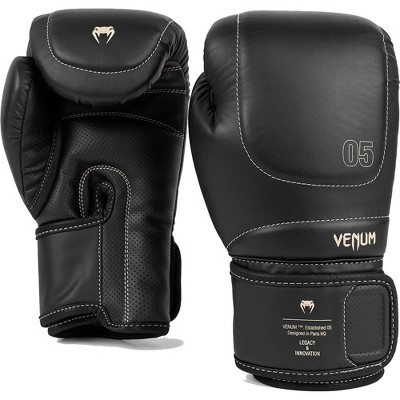
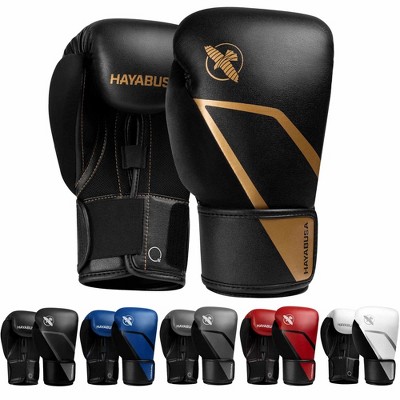
Many kids' gloves list ventilation or moisture control features, such as mesh panels, perforations for airflow, or moisture-wicking inner linings to help keep hands drier and reduce odor. Features vary by model, so check the product details for terms like “breathable mesh,” “vented palm,” or “moisture-wicking lining” to confirm.
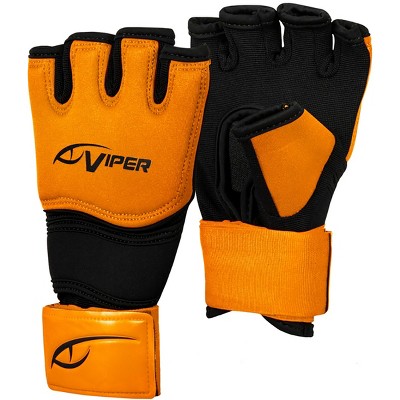
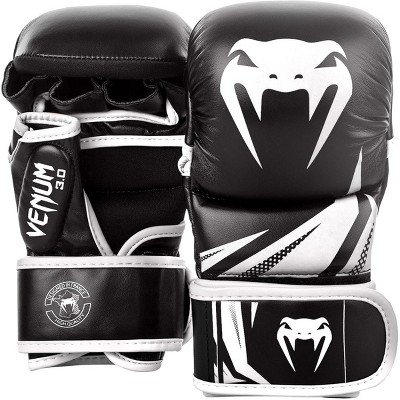
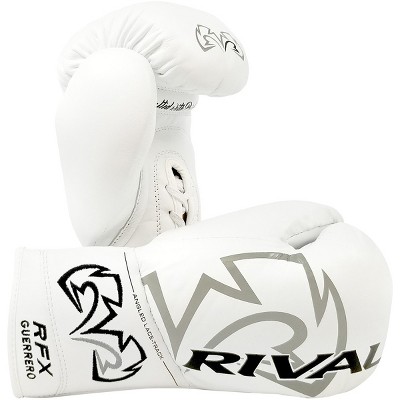
Many listings describe an attached thumb or an anti-thumb/anti-thumbing design that keeps the thumb aligned with the fist to reduce thumb-related injuries. Look for phrases such as “attached thumb,” “thumb lock,” or “anti-thumbing” in the product description.
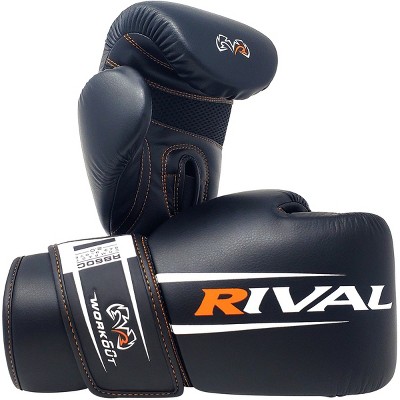
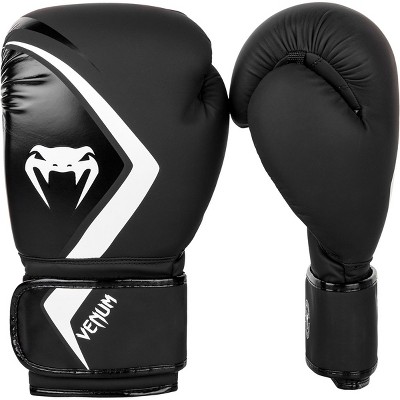
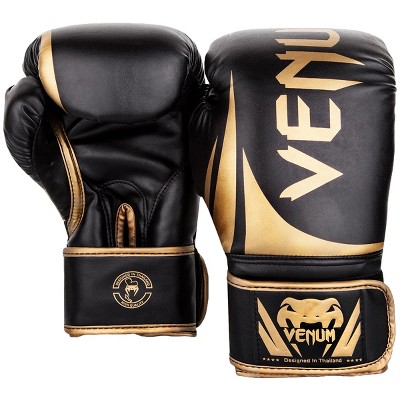
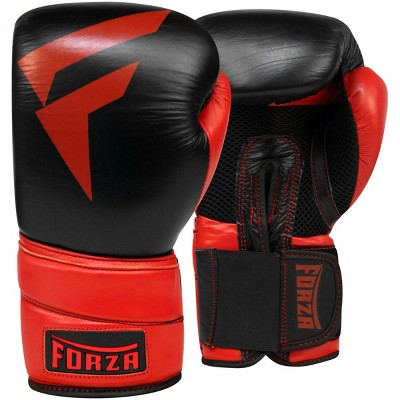
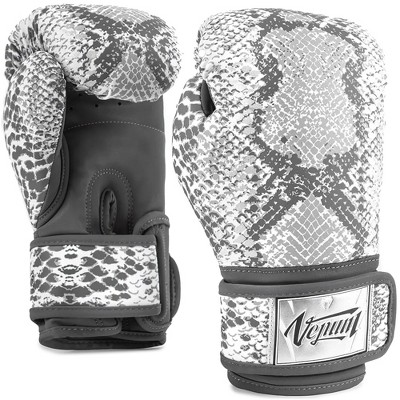
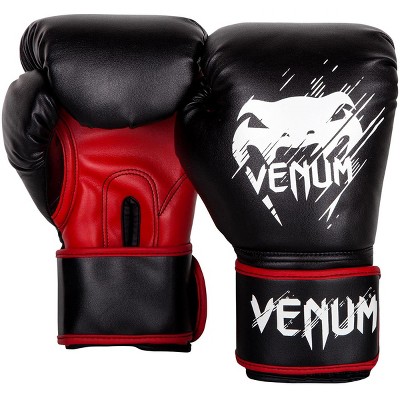
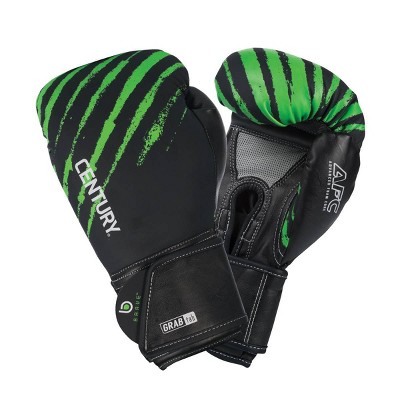
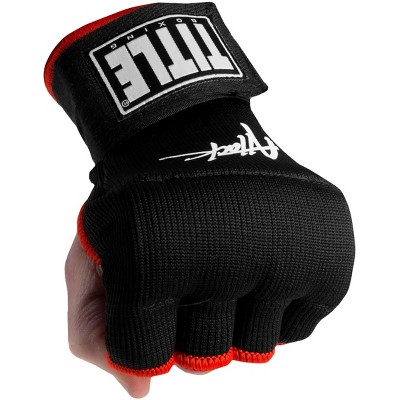
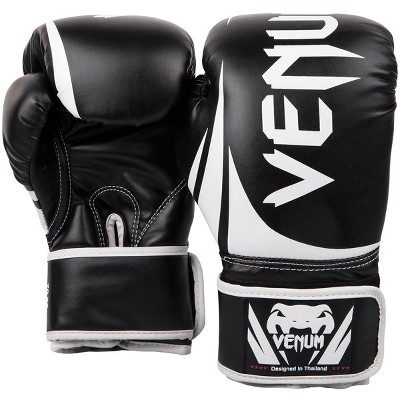
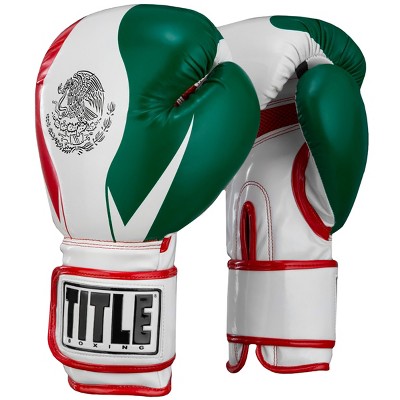
Common fastening systems shown include quick hook-and-loop (Velcro) closures, full wraparound elastic wrist straps, and slip-on designs. These options provide fast on/off access and a secure fit; product listings often note “wide hook-and-loop” or “wraparound strap” when present.
Some listings specify package quantity (sold as a pair, package quantity: 2) while others list a single glove (package quantity: 1). Hand orientation — right or left — is usually shown in the product details when specified; if not listed, assume standard right/left pairs unless the listing states otherwise.
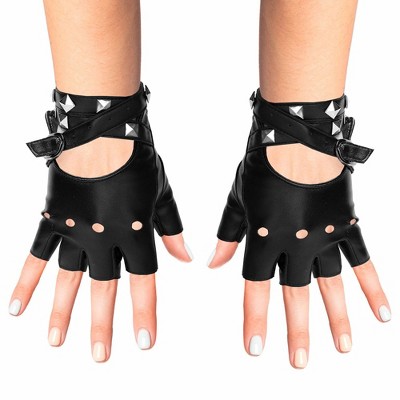
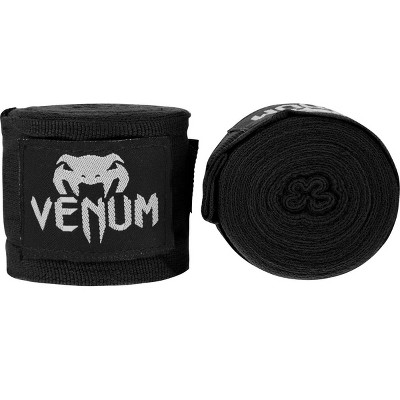
Listings commonly show materials such as genuine or synthetic leather (including “semi-leather”), neoprene, nylon, and other fabric blends. Check the product details for the specific material used and any claims about durability or easy cleaning.
Most kids' gloves use hook-and-loop (Velcro) closures — often wide or full-wrap styles — and wraparound elastic wrist straps. Some listings also mention extended cuffs or dedicated metacarpal/wrist straps for added stability. Review the listing for terms like “long cuff,” “wraparound strap,” or “wrist support.”
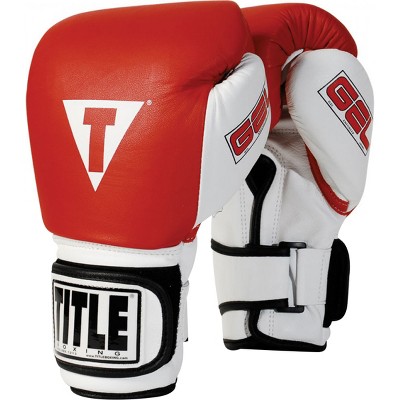
Listings commonly reference multi-density foam (sometimes noted as triple-density), gel padding or gel knuckle inserts, and EVA-style foam for shock absorption. These terms indicate how impact is managed; check the description for specifics on foam layers or gel inserts.