lemon yogurt
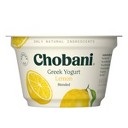
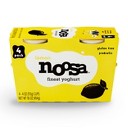
Guests also ask:
Protein varies by product, but dairy lemon yogurts commonly contain about 4–11 grams of protein per serving. Single-serve cups from multi-packs are often on the lower end of that range.
Common bases include whole-milk dairy and plant-based coconut. Product descriptions often specify "whole milk" for dairy versions or list coconut as the non-dairy milk source.
Typical package sizes range from small single cups (about 4–4.9 oz) up to 8‑oz single cups. Multi-packs are often presented as 16 oz total (for example, four 4‑oz cups grouped together).
Common labels include Gluten‑Free, Kosher (dairy or kosher), USDA Organic, non‑GMO, Vegan, Keto, dairy‑free/plant‑based, and plant‑based probiotic claims.
Many lemon yogurts claim "live and active cultures" or probiotic blends. Examples in the set include a product listing 16 probiotic strains and another claiming "billions of live probiotics" per 4‑oz cup.
Most lemon yogurt products are sold ready to eat; multiple item descriptions explicitly list the state of readiness as "Ready to Eat."
Some products highlight eco‑friendly packaging, noting paper‑based cups and claims of a net‑zero or 100% plastic‑neutral packaging footprint.
Several lemon yogurts list the milk fat level as "Whole" and use style labels such as Indulgent, Traditional, or Probiotic to convey richness and product character.