nintendo game holder
Guests also ask:
Options range from small holders with a few dedicated microSD slots (often holding 2 microSD cards) to high-capacity organizers that accept multiple formats — for example, up to 21 standard-size SD/SDXC/SDHC or Switch game cards plus 15 microSD cards. Check the product listing to confirm the exact number and formats supported.
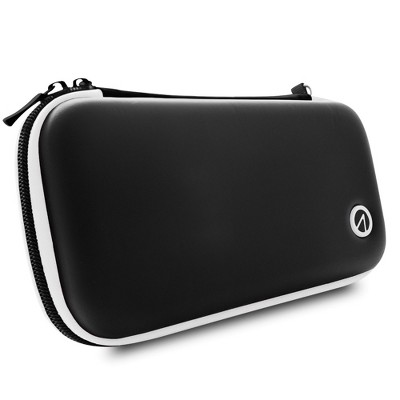
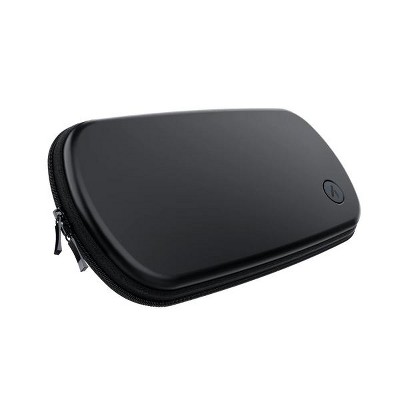
Common materials include hard outer shells like polycarbonate or high-impact ABS; semi-rigid EVA exteriors; textile options such as ballistic nylon often with leather or PU accents; and interior linings or padding like silicone, antistatic sponge, felt-style fabric, or foam. Material combos vary by model to balance protection and weight.
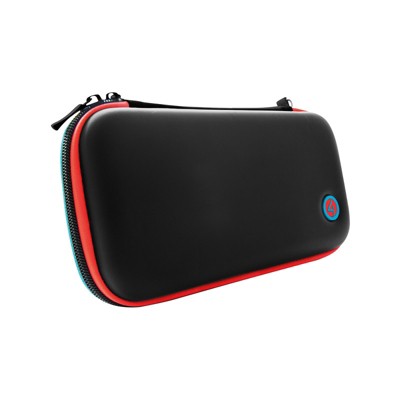
Protection features typically include tough outer shells (polycarbonate, EVA, or high-impact ABS) and shock-absorbing inner layers (silicone or foam). Many cases add water-resistant seals or O-rings for moisture protection, padded dividers or fleece-lined compartments to prevent scratches, and secure closures to keep contents from shifting during transit.
Portability varies from very compact card cases (example: about 0.63 x 5.43 x 8.39 inches) to larger travel cases (around 12.91 x 6.1 x 3.78 inches). Reported weights in listings range roughly from 0.1 to 1.63 pounds. Always check the product dimensions and weight in the listing to confirm portability for your needs.
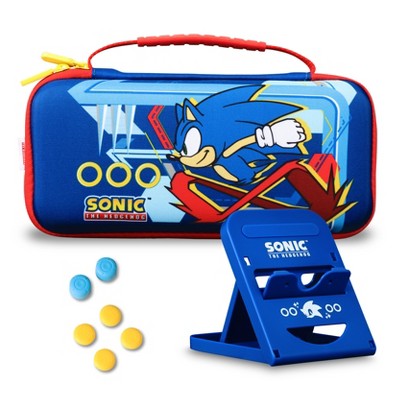
Closure types include magnetic clasps (common on slim gamecard cases), ergonomic locking systems on hard ABS organizers, and zipper closures or straps on larger travel cases. Choose a closure style based on how much protection and security you need during transport.
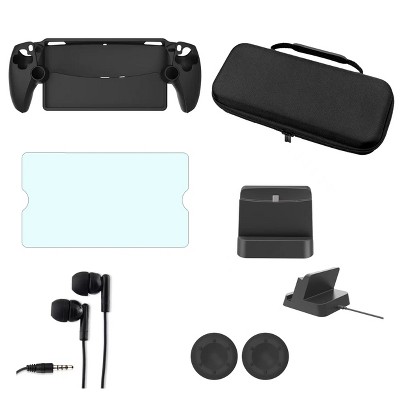
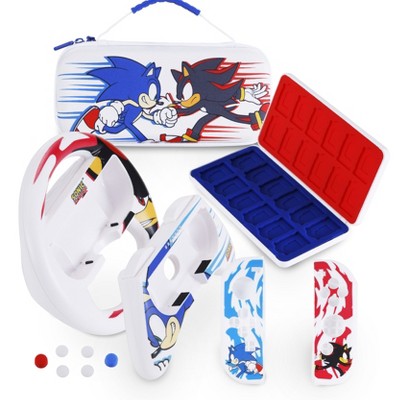
Cases typically combine mesh pockets, sectioned or recessed inserts, built-in small game and microSD holders, padded or fleece-lined compartments, and Velcro straps or pockets to secure controllers, cables, and small accessories. Look for product photos and interior layout details to confirm the organization style before buying.