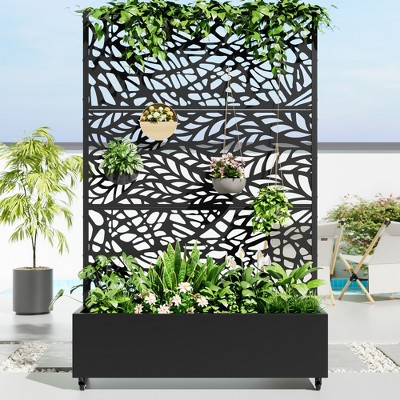
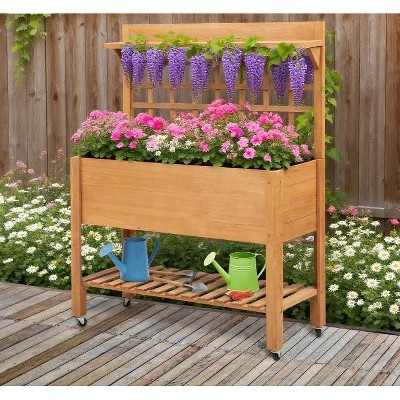
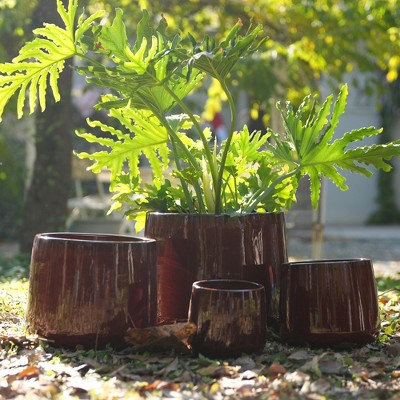
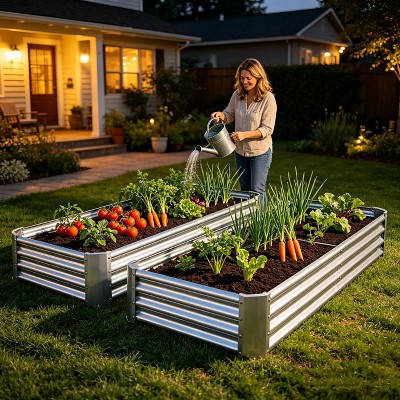
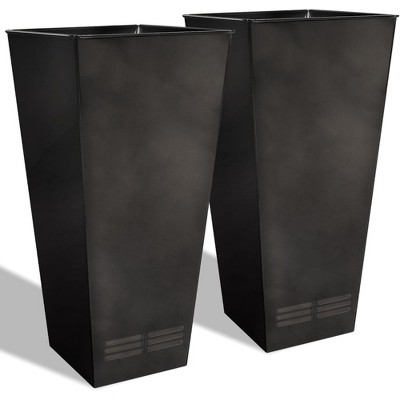
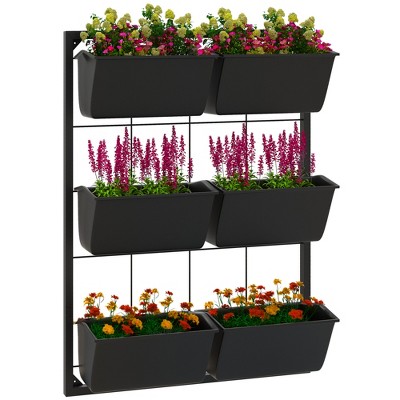
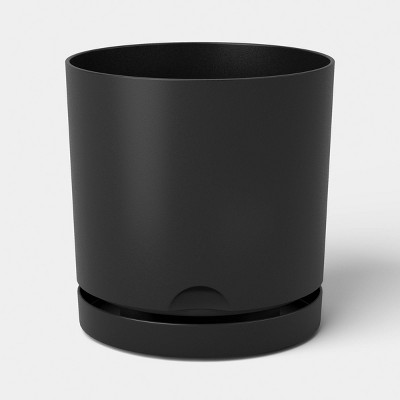
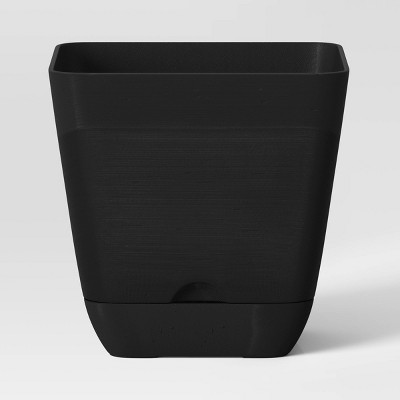
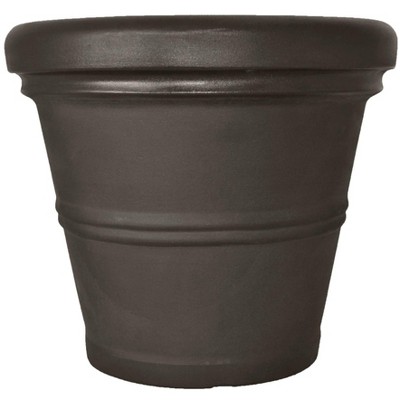
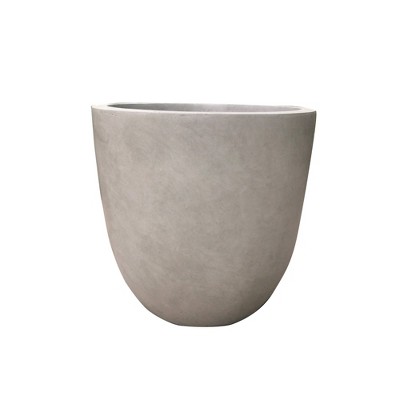
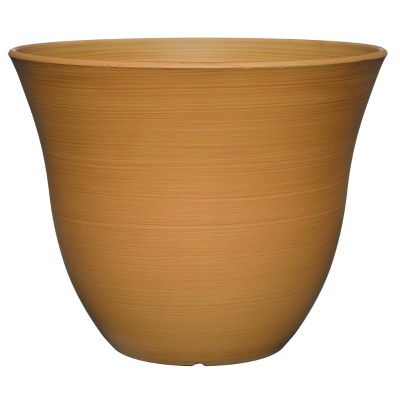
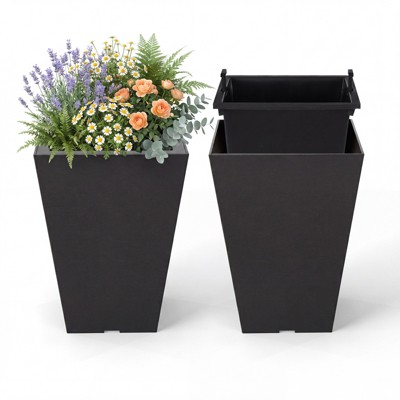
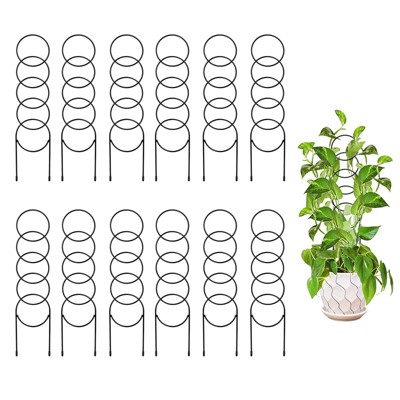
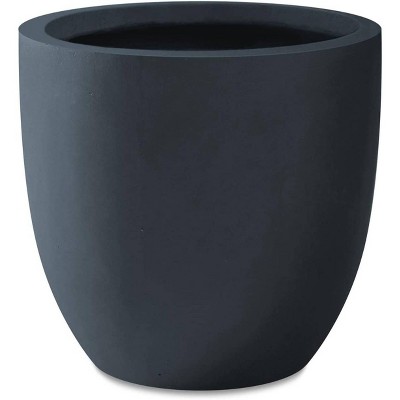
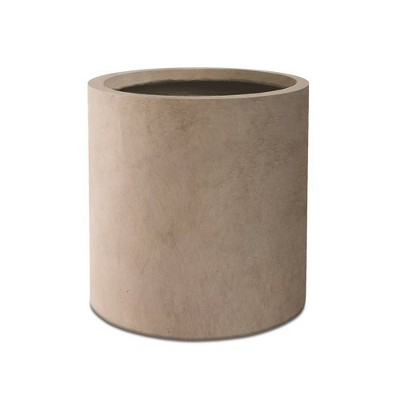
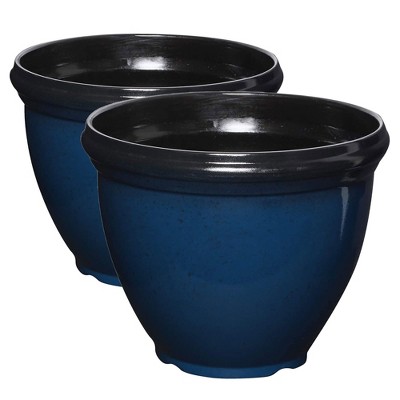
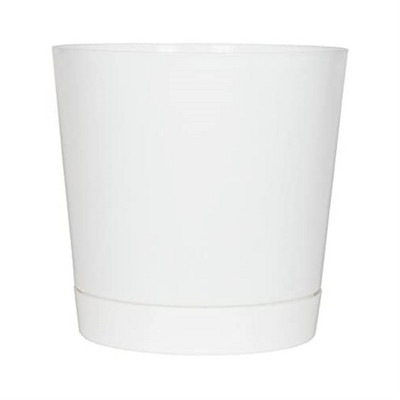
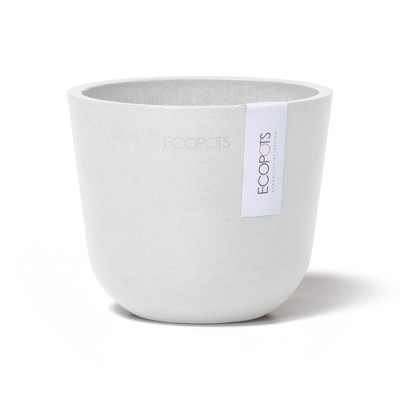
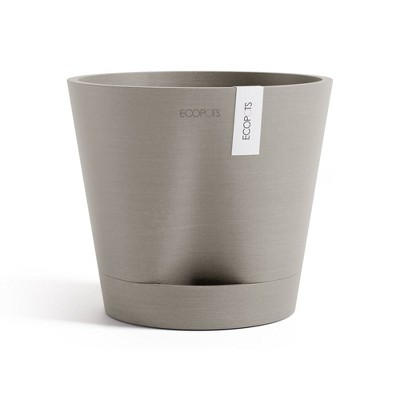
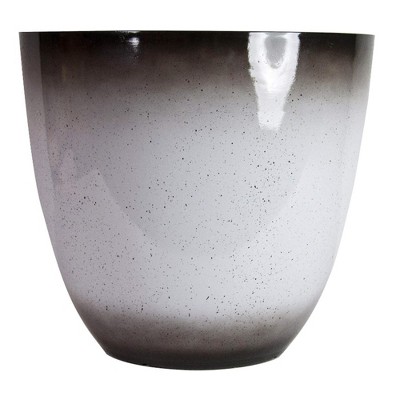
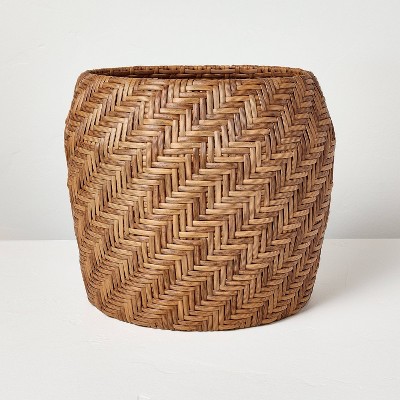
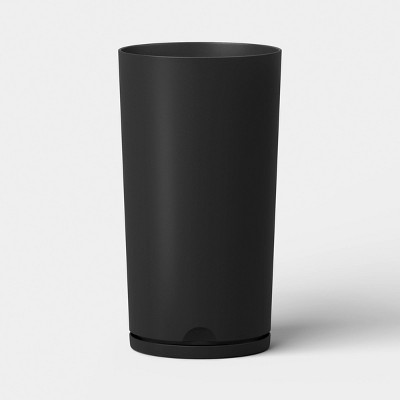
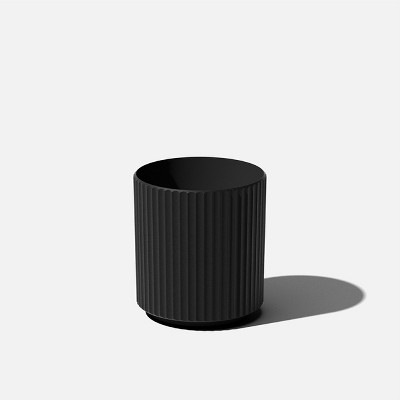
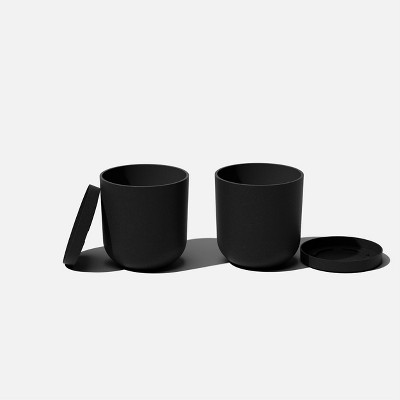
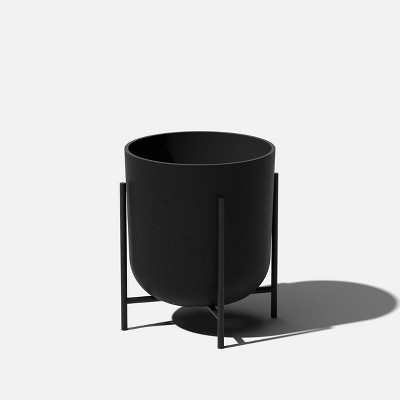
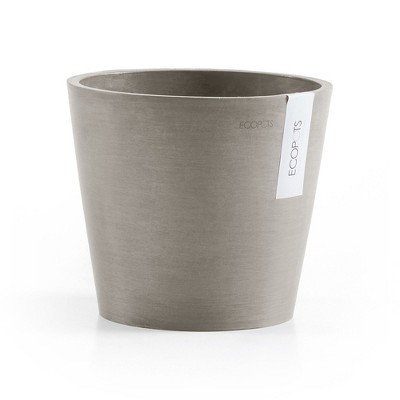
Drainage options include no drainage hole, single or multiple factory-drilled holes, marked locations for adding a drainage hole yourself, and built-in self-watering reservoirs (commonly found in wall planters).
Double-walled planters use a full-depth inner wall to insulate plant roots, while the outer wall can be filled with sand or gravel to increase weight and wind stability.
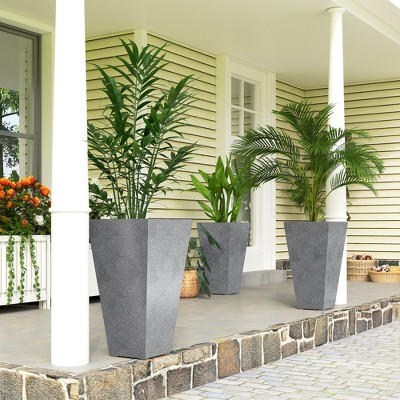
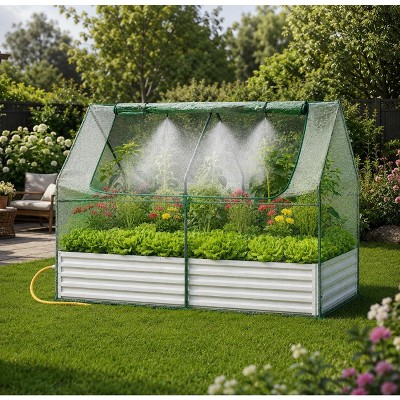
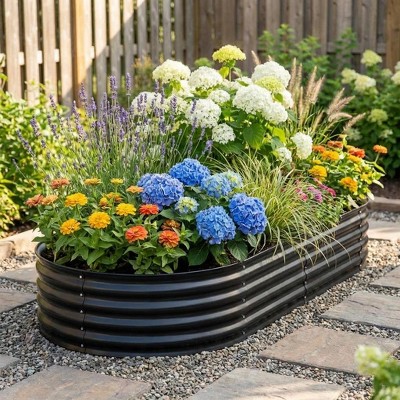
These planters are suitable for freestanding ground use and some half‑circle styles are designed for wall or fence mounting. Descriptions also reference patios, decks, porches, sunrooms, and fence placement depending on the model.
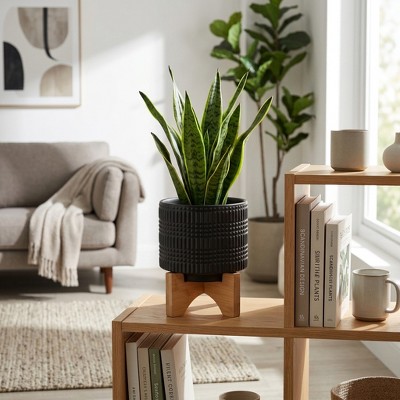
Stability features include fillable outer walls or plugs that let you add sand or gravel for weight, and choosing heavier ceramic planters that rely on their mass to resist tipping in wind.
Common weather-resistance features include UV-resistant finishes and frost-resistant constructions—particularly in polyresin and ceramic planters—and glazed ceramic surfaces that resist UV exposure and frost damage.
Self-watering half‑circle wall planters include a bottom reservoir that waters roots from below, are lightweight for fence or wall placement, and have nail/screw holes for hanging. They are often sold in 2‑packs.
Weights range from very light wall planters around 0.7 pounds up to heavier ceramic pots near 19 pounds. Many plastic and polyresin options fall in the midrange—about 3 to 12.8 pounds.