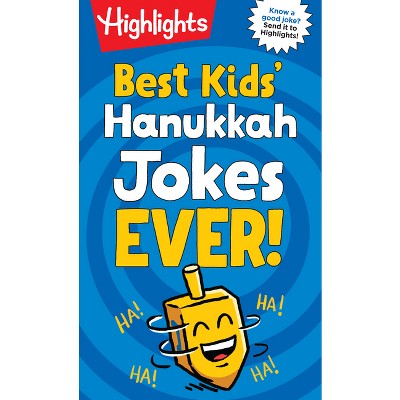
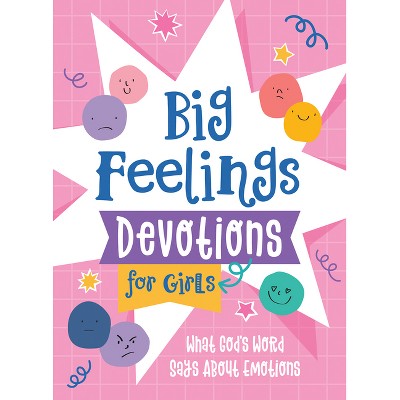
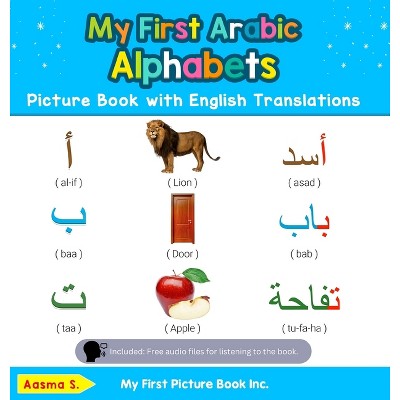
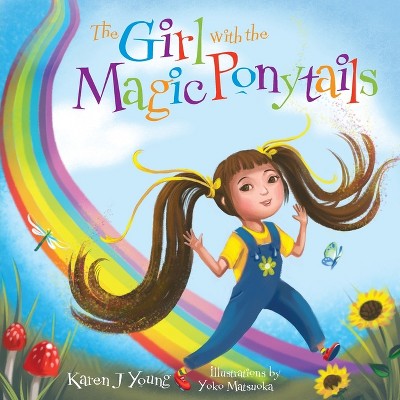
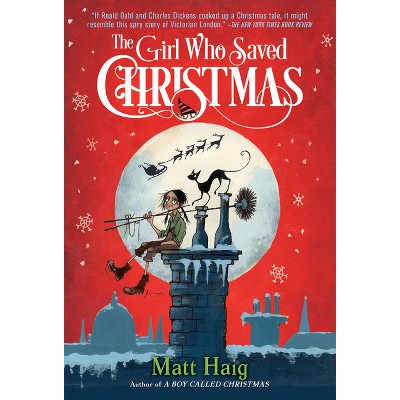
They appear in standard book formats (paperback and hardcover) and in hands-on kits or games. Examples in the listings include a seek-and-discover toy set with cards and a plush container alongside traditional printed books.
Counts vary widely by title. Some books offer about 160+ questions, while larger collections can contain around 400 or more riddles and brain‑benders, so typical totals range from roughly 160 up to 400+ items.
Commonly paired content includes word puzzles, puns, brain teasers, logic problems, math puzzles, knock‑knock jokes, and tongue twisters — offering a mix of humor and varied thinking challenges.
Some titles arrange content by difficulty or stages, starting with simple one‑line riddles and advancing to harder puzzles as readers progress, allowing gradual skill building.
Page counts vary across titles (examples include 28, 84, 96, 100, 128, 144, and 148 pages). Physical dimensions also differ by edition, with sample sizes in the listings such as about 7.8"×5.0", 8.1"×6.2", and 9.9"×7.8" — standard paperback and hardcover formats.
These materials support creative and critical thinking, problem solving, sequencing, and other early reasoning skills. They can also provide practice with reading comprehension and vocabulary in a playful context.
Formats vary: some provide on‑page solutions, while others include a separate answer key in the back. Several titles also offer hints or tips to help kids work toward the solution.
There are kid‑friendly, no‑reading‑required options. For example, a seek‑and‑discover game is recommended for ages 3+ and uses tethered cards and visual challenges so young children can play independently without reading.