Most kits target young children, generally about 3 to 12 years old. Individual listings often show specific recommended ages such as 3, 5, 6, or a combined range like 6–12 years depending on the kit’s complexity.
Materials vary by product but commonly include plastics (including TPR/thermoplastic rubber), polyester fiber, various fabrics, and glass. Craft kits may also include paper, adhesives, stickers, and small decorative elements.
Portability ranges from pocket- or palm-sized items (for example blind-capsule toys around 3 × 3 × 4 inches) up to larger activity kits that can measure roughly 11 × 12 × 2.5 inches.
Common stocking-stuffer options include small craft kits (headband or gem-art kits, decorate-your-own bottles or caps), building-block mini sets, collectible blind-capsule squishies, and mini nail/mani kits.
Many items list no battery requirement. Some kits (for example craft or night-light style items) do require AA batteries; one product listing specifies 3 AA alkaline batteries, required but not included.
Product details commonly include CPSC choking-hazard warnings for small parts. Several items also state non-toxic materials and note compliance with toy safety testing or standards.
These gifts often encourage creativity and self-expression and support fine motor skills. Some kits also include hands-on building or assembly elements that highlight basic STEM-related skills.
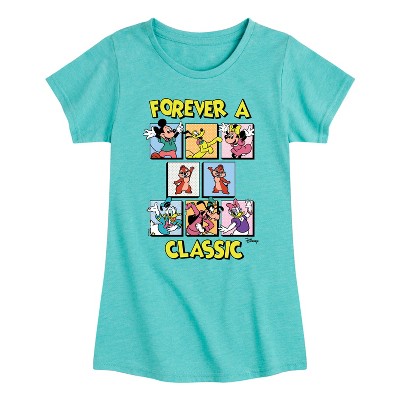
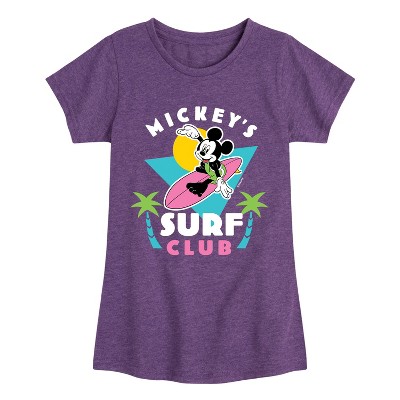
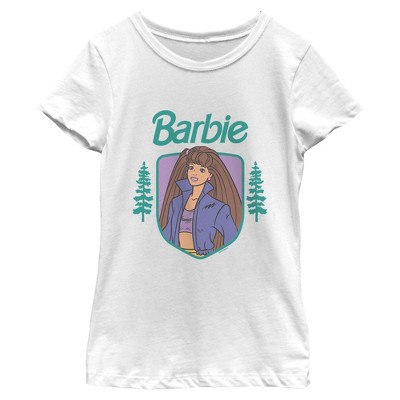
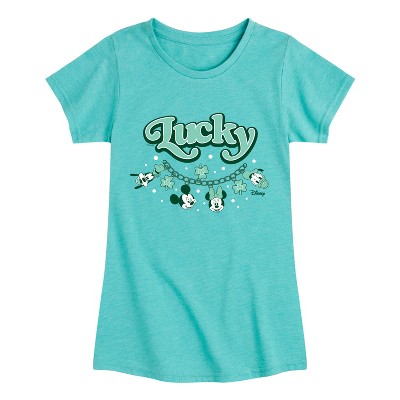
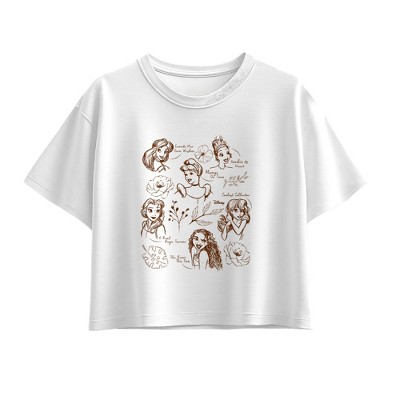
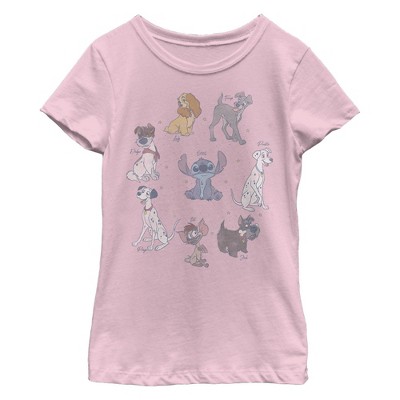
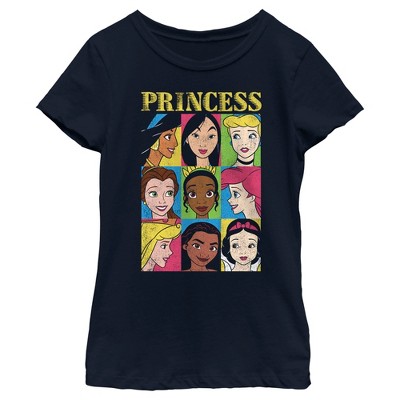
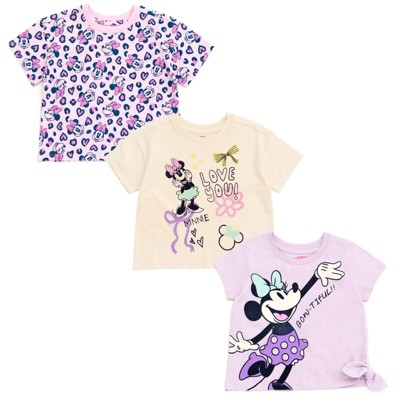
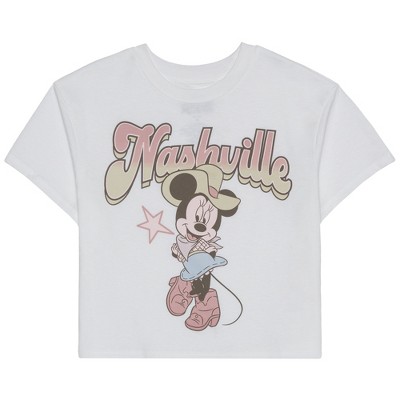
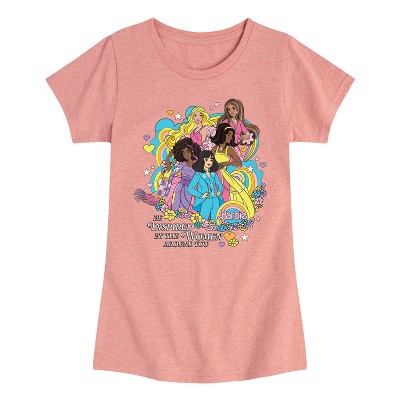
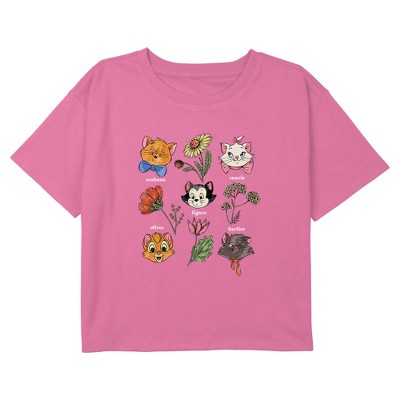
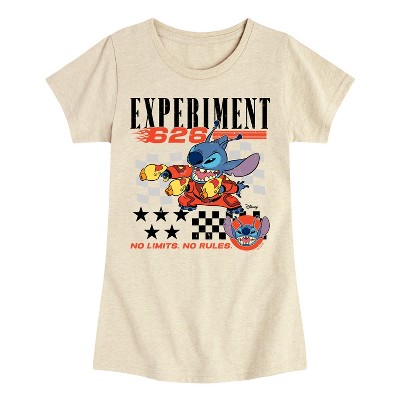
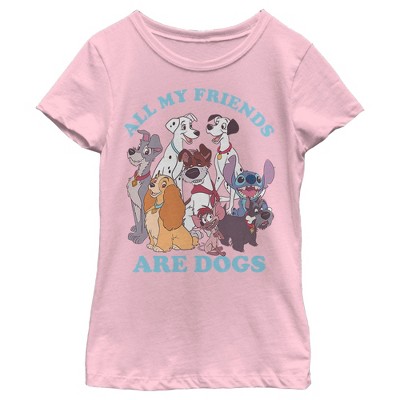
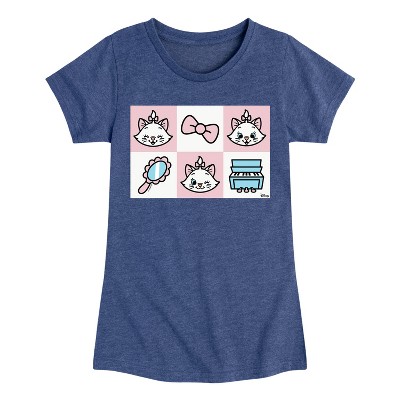
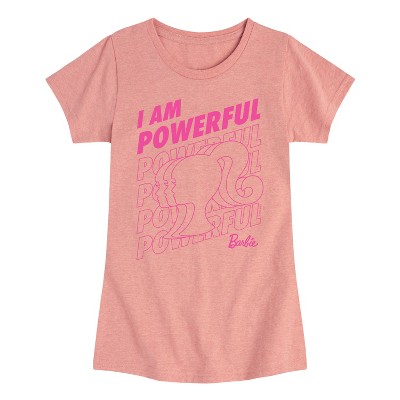
You’ll find licensed character designs and collectible capsule toys alongside popular motifs like unicorns, sea creatures, and other fantasy or animal themes.
Project counts vary widely: some items are single- or two-in-one projects, while larger kits advertise multiple designs (one listing notes 16 designs). Certain tools are rated for many uses—for example a nail stamper listing cites stamping up to 200 nails.