swim buoy
451 results for “swim buoy”


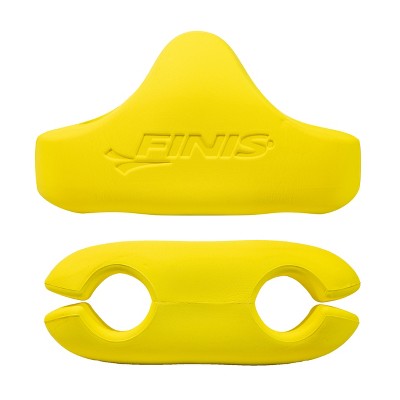
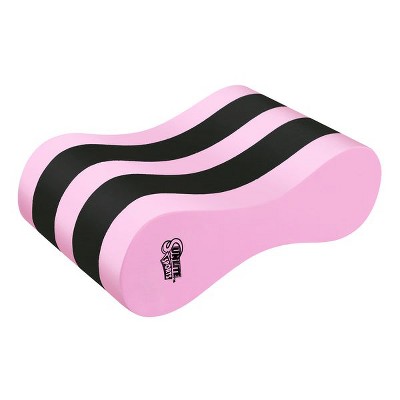
$13.49 - $14.49
reg $14.99 - $16.99
Sale


 + 4
+ 4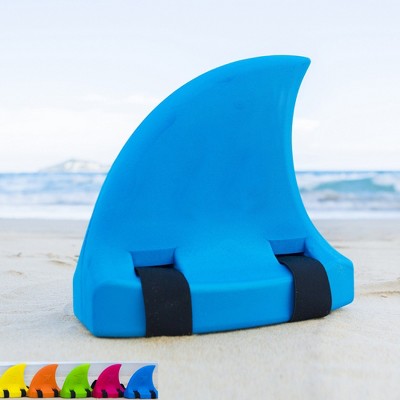
Recommendations for you
- $18.95 - $22.95reg $23.95 - $25.95 Sale
- $15.95reg $24.95 Sale
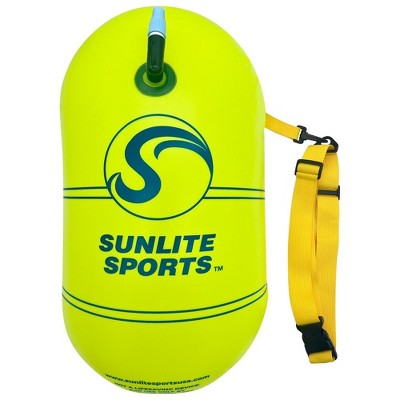
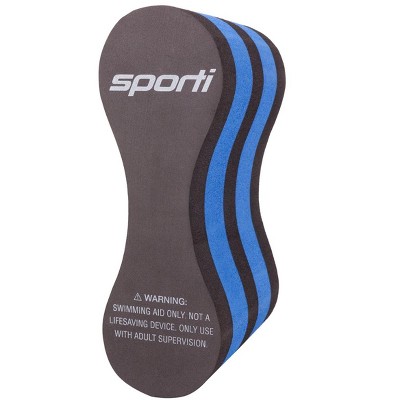
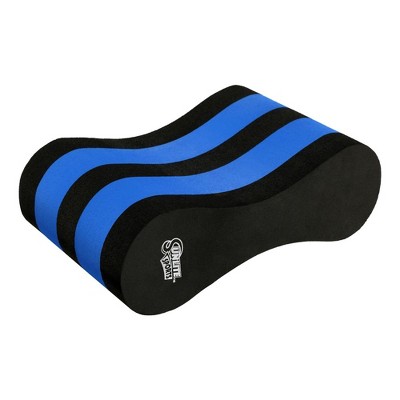
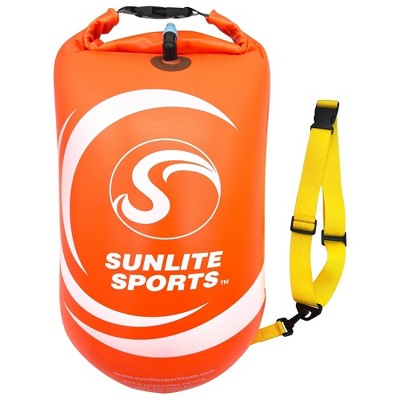
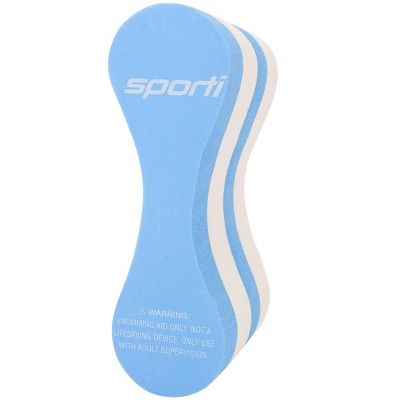
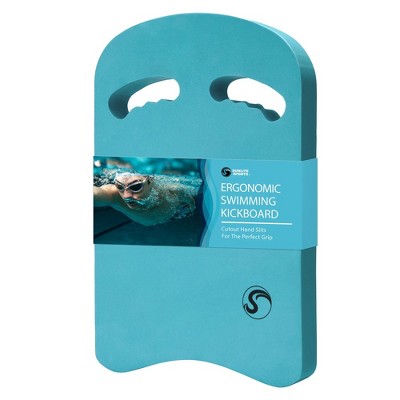
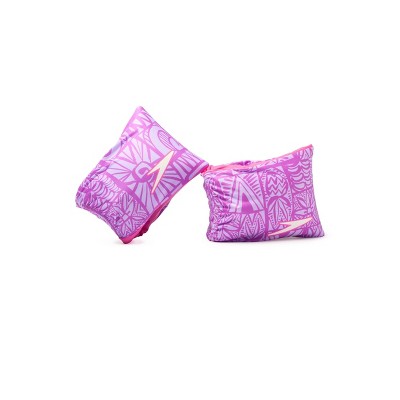
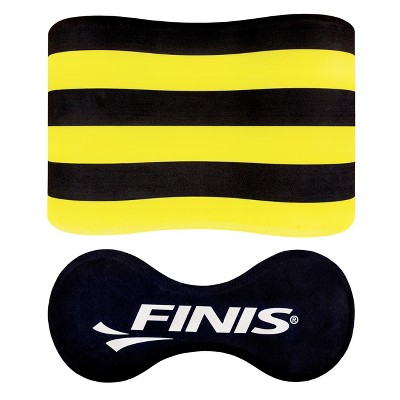
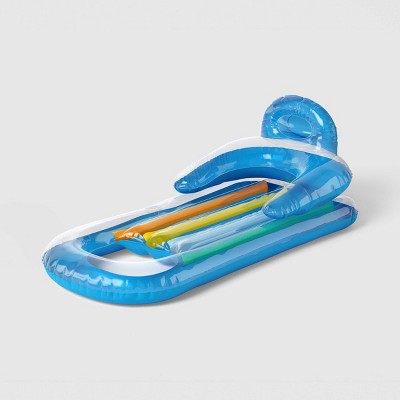
Sponsored



Related deals
- $17.95reg $24.95 - $25.95 Sale
- $24.95reg $33.95 Sale
- $16.95reg $24.95 - $26.95 Sale
- $13.95 - $14.95reg $20.95 - $21.95 Sale
- $6.99reg $9.49 Sale
- $15.95reg $24.95 Sale
- $18.95reg $25.95 Sale
- $12.99 - $15.99reg $14.99 - $19.99 Sale
- $14.99reg $15.99 Sale
- $6.99reg $9.49 Sale
- $23.95reg $30.95 Sale
- $115.95reg $133.95 Sale


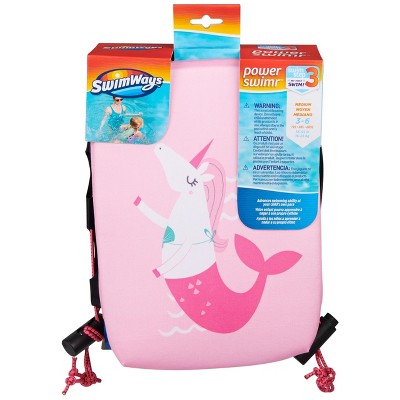
Sponsored
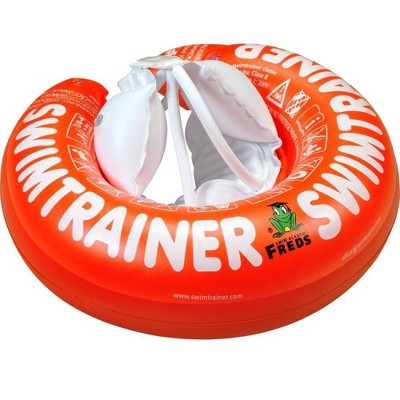
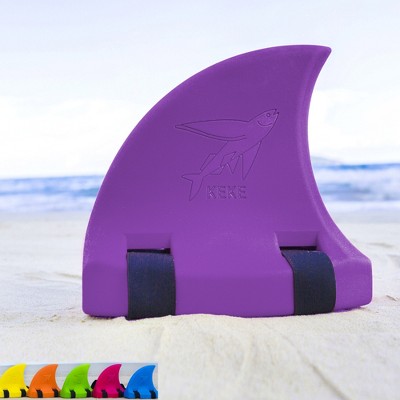
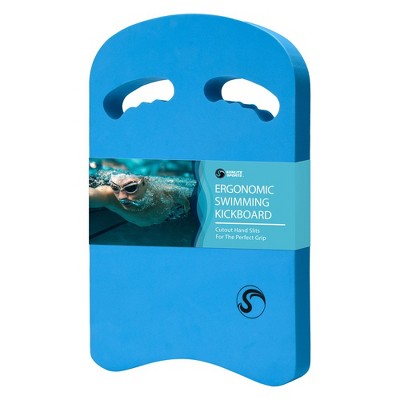
$12.99 - $15.99
reg $14.99 - $21.99
Sale


 + 8
+ 8Sponsored
Powered by AI
Guests also ask:
Trending now
- $13.99 - $14.99reg $18.69 - $19.99 Sale
- $26.99 - $36.99reg $39.99 Sale
- $39.95 - $42.95reg $53.18 - $57.17 Sale
- $10.99 - $11.59reg $14.69 - $15.49 Sale
- $13.99 - $15.99reg $18.69 - $26.49 Sale5 out of 5 stars with 1 ratings
- $11.99 - $12.49reg $15.99 - $16.69 Sale
- $19.79 - $20.49reg $27.39 - $32.99 Sale
- $16.59 - $19.49reg $22.69 - $27.69 Sale1 out of 5 stars with 1 ratings