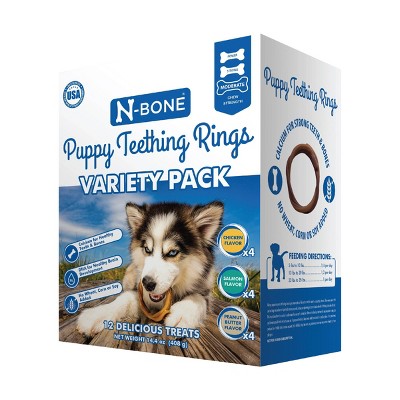
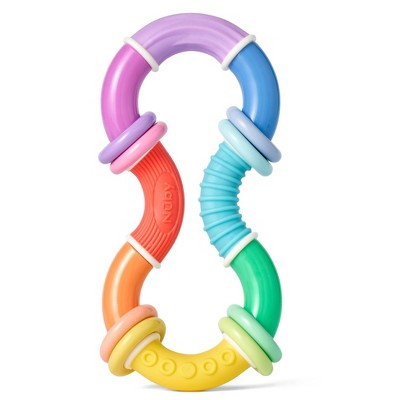
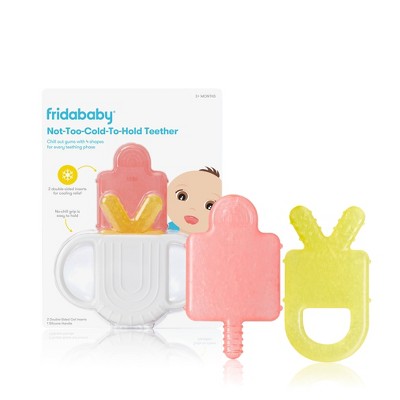
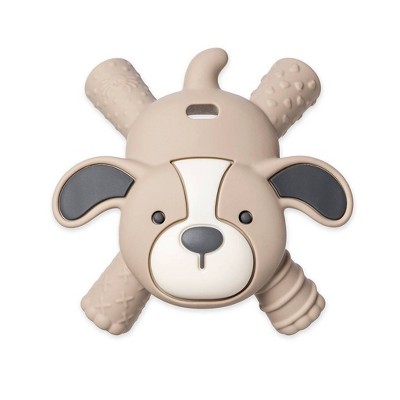
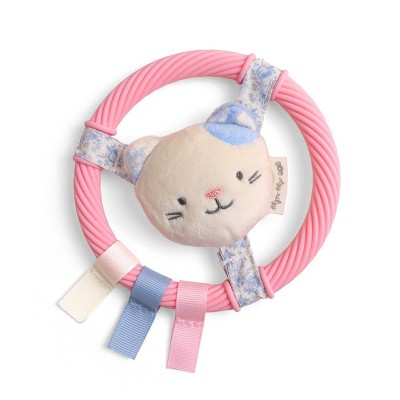
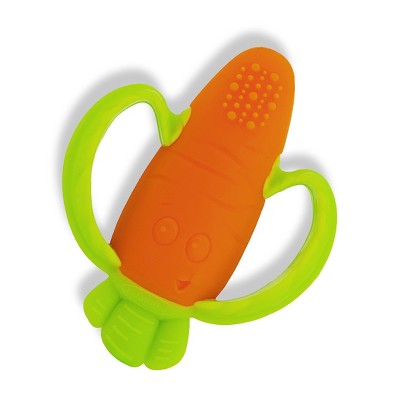
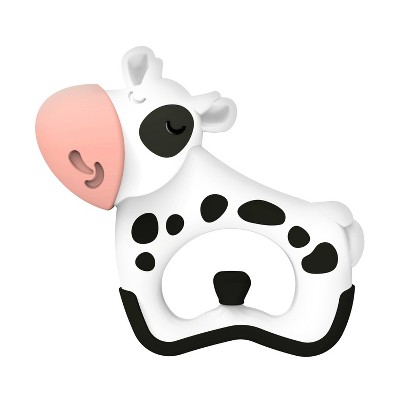
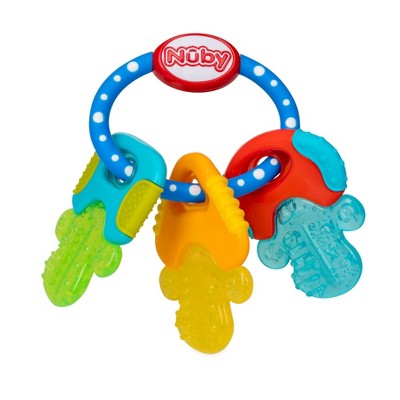
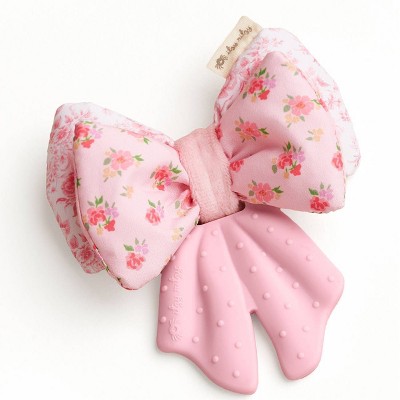
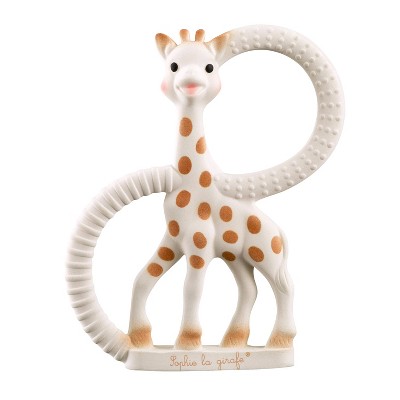
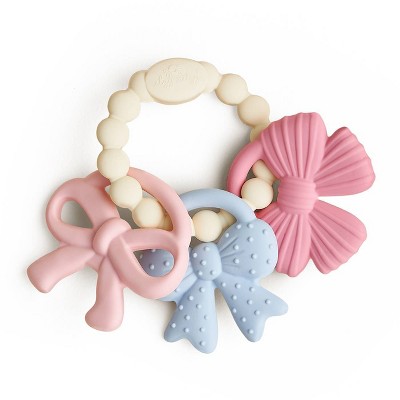
Most teething toys are made from rubber and polyester-based fabrics. Other common materials include PET (polyethylene terephthalate), nylon, and foam.
Teething toys are typically offered for Small, Medium, and Large breeds, with many listings also labeled as suitable for All Sizes.
Care instructions vary by product, but common methods include rinsing and spot or wipe cleaning. Some listings specifically state “Rinse Clean,” so check the product label for exact care directions.
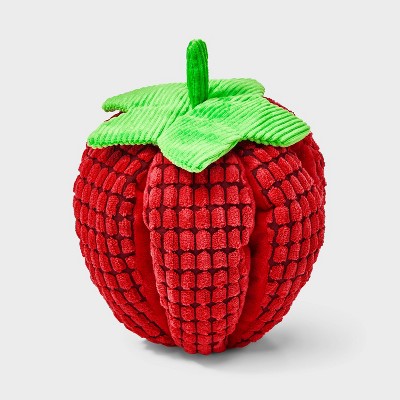
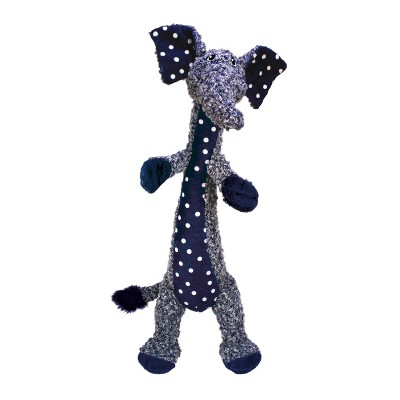
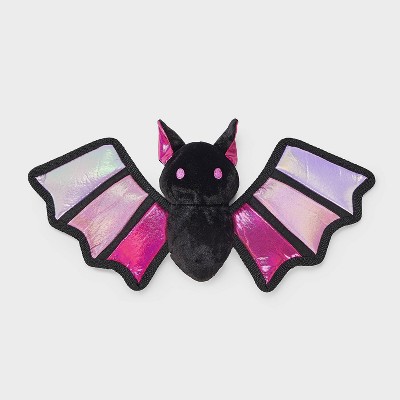
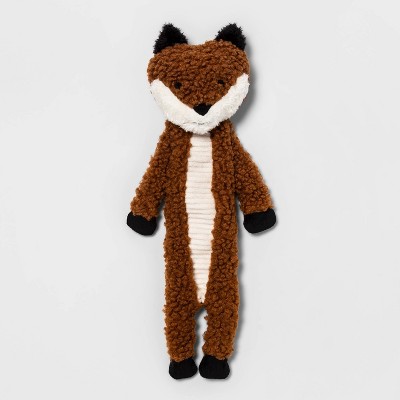
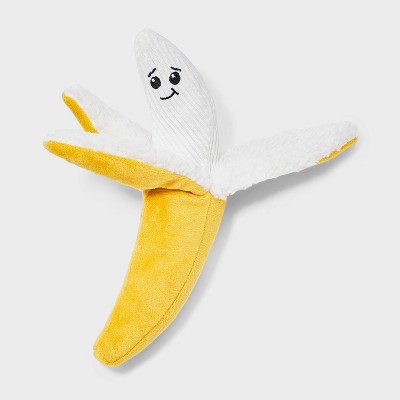
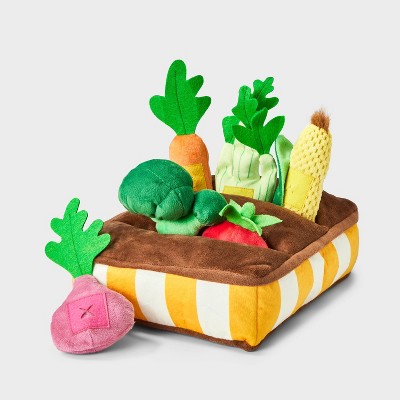
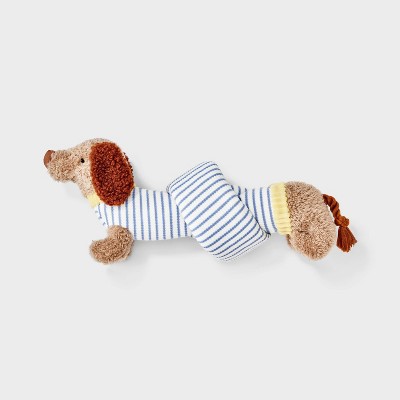
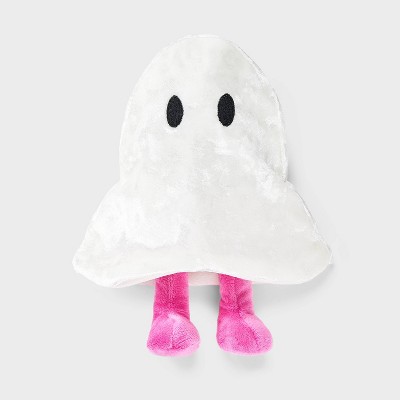
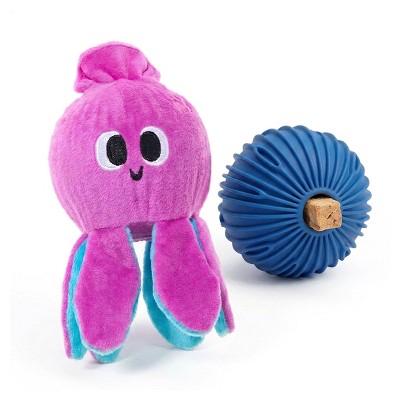
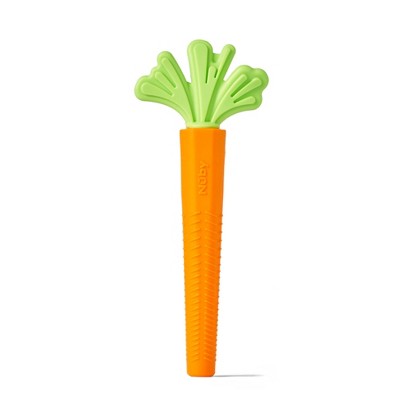
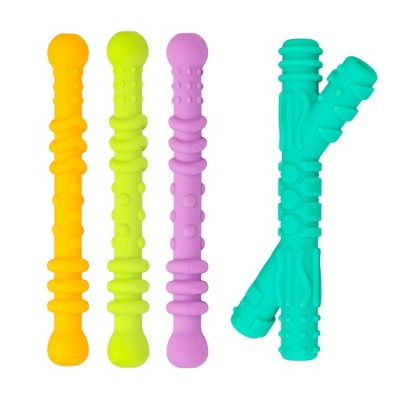
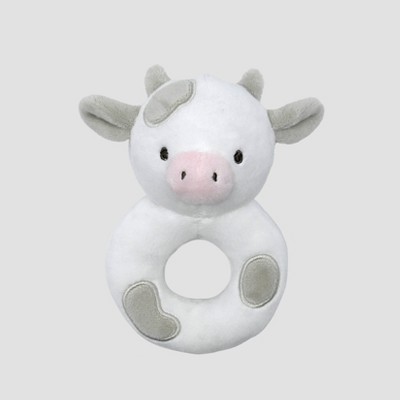
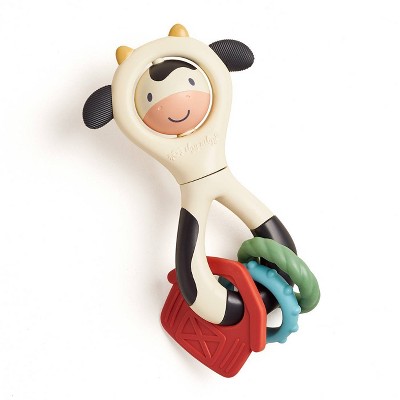
Shoppers find a variety of toy types, including interactive toys, plush toys, stick-shaped toys, horseshoe or throwable shapes, and balls.
Dimensions vary widely. Examples in the data range from about 2.75 inches up to 12 inches in length, with other listings around 10.2 inches—so expect options from small to roughly a foot long.
Stuffing cavities with kibble or soft spreadables (examples include peanut butter and yogurt) gives dogs a challenge as they work to extract treats. Freezing stuffed toys is noted as a way to prolong engagement.
Features that attract dogs include textured surfaces and raised nodes, crinkle cores or squeakers, stick-like markings that mimic natural chew objects, and shapes that produce unpredictable bounces.
Most listings in the set are labeled for “All Ages,” indicating suitability across life stages rather than being limited to puppies or seniors.