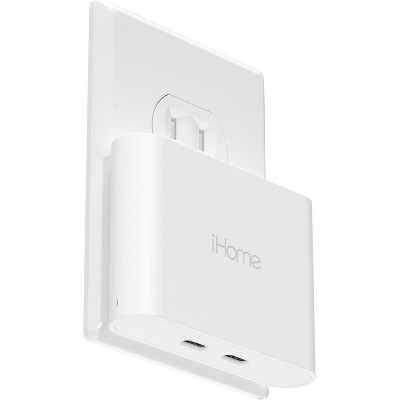
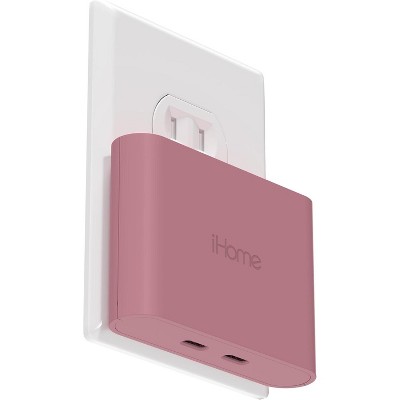
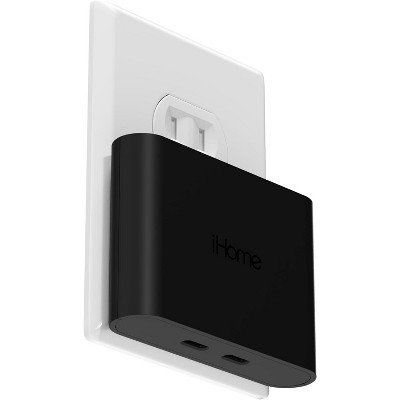
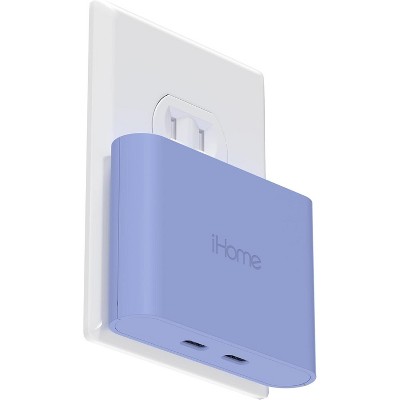
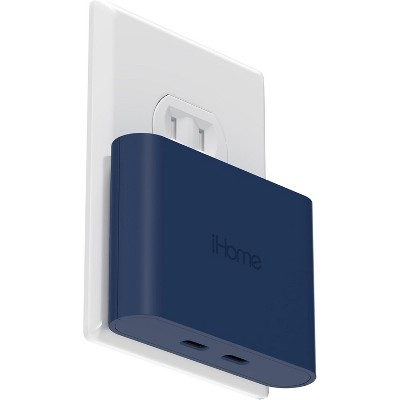
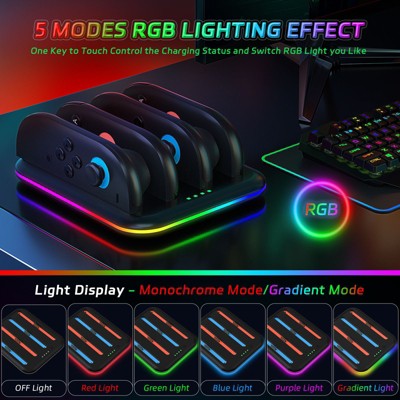
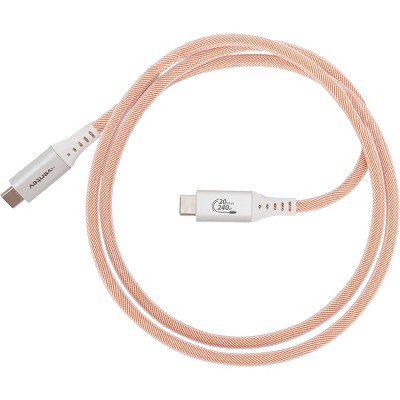
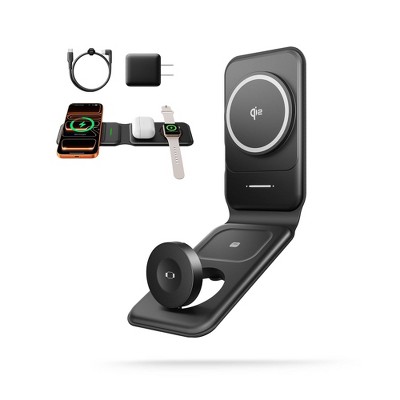
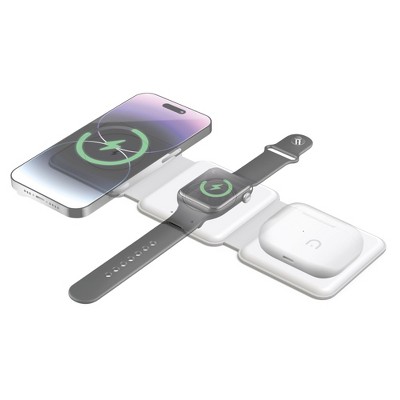
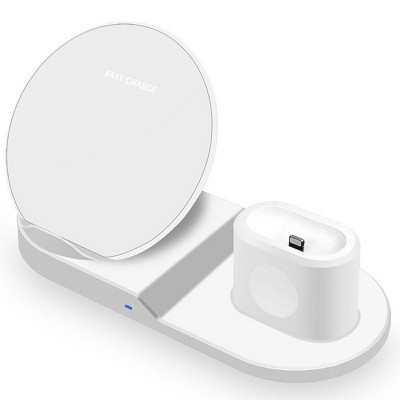
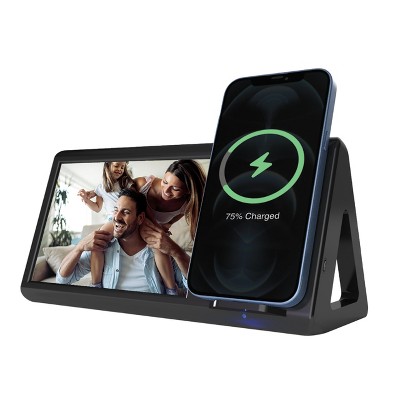
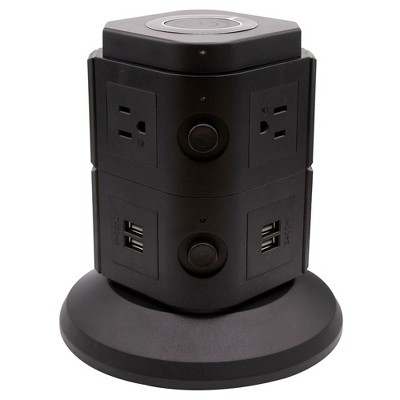
The listings show several output ratings. Amperage values include 2.1 A and 2.0 A. Reported wattages across different chargers include 10 W, 17 W, 45 W, and 65 W.
Dual-port chargers let two devices draw power simultaneously from the unit. Listings usually show both a total (shared) output and per-port splits—for example a shared 10 W/2.1 A total or a 17 W total broken into per-port values such as 5 V/2.4 A and 5 V/1 A.
The product details list modern fast-charging standards such as USB Power Delivery (PD), PPS, and Qualcomm Quick Charge 3.0. One listing also explicitly mentions USB-IF certification.
Listings include certification and warning notes such as “ETL Listed: No,” “Made for MagSafe Certified,” mentions of USB-IF certification, and a California Proposition 65–style warning referencing DEHP exposure on one item.
Most chargers list a DC input of 12–24 V (shown as DC 12–24V or DC 12~24V). A few models that also support wall charging list AC input ranges such as 100–240 V.
Common protections include Smart IC/Smart Chip technology plus short-circuit protection, overcharge protection, overheating protection, and overvoltage protection. Some listings use broader descriptors like “World-Class Safety Features.”
PD steps include 5 V (examples list up to 3 A), 9 V (with currents such as 2.22 A, 2.77 A, or 3 A), 12 V (1.67 A, 2 A, or 3 A in different listings), plus higher steps like 15 V/3 A and 20 V/3.25 A on compatible chargers.
Listings typically show a total or shared output (labeled “Output (Shared)” or “Total Output: X Max”) alongside per-port specifications such as 5 V/2.4 A and 5 V/1 A, or a shared 2.1 A (10 W) figure with per-port splits noted separately.
Listings cite compatibility with Android phones, tablets, and devices that support Power Delivery—some entries specifically call out Android phones, while others note phones, tablets, or laptops where PD is supported.