Target New ArrivalsChristmasTarget Black FridayGift IdeasHoliday Kids CatalogHome & DecorKitchen & DiningToys & GamesElectronics & TechVideo GamesGift CardsClothing, Shoes & AccessoriesGroceryBabyBeautyTarget Beauty StudioPersonal CareHousehold EssentialsHealthWellnessBooks, Music & MoviesSports & OutdoorsPetsSchool & Office SuppliesParty SuppliesAutomotiveTarget OpticalClearanceNew ArrivalsChristmasGift IdeasTop DealsTarget Circle DealsWeekly AdShop Order PickupShop Same Day DeliveryRegistryRedCardTarget CircleFind Stores

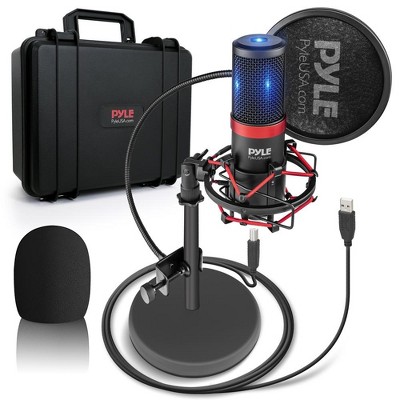
usb table microphone

250 results for “usb table microphone”
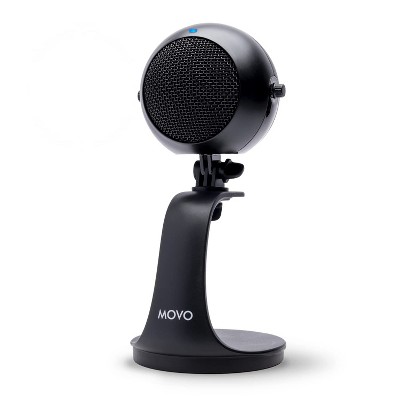
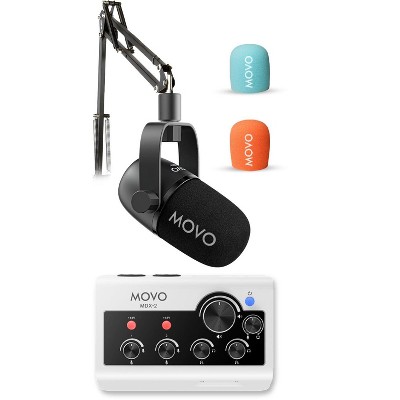
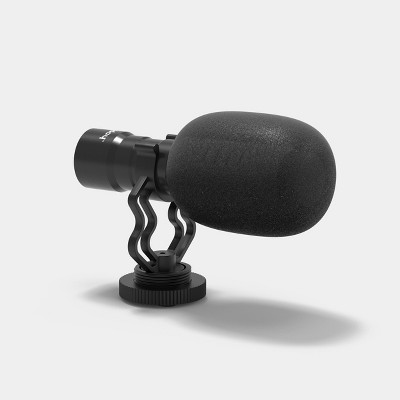
Movo Photo MDX-2-POD-SOLO Pod Solo Bundle

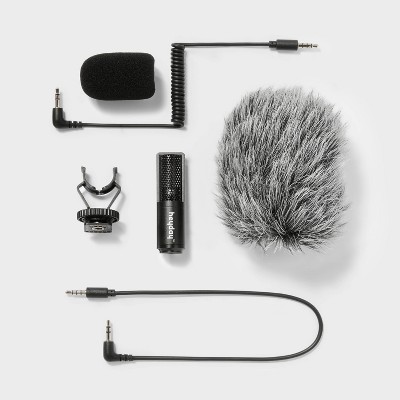
Cardioid Microphone - heyday™ Black

$29.99
4.4(23)
Loved for: excellent sound quality

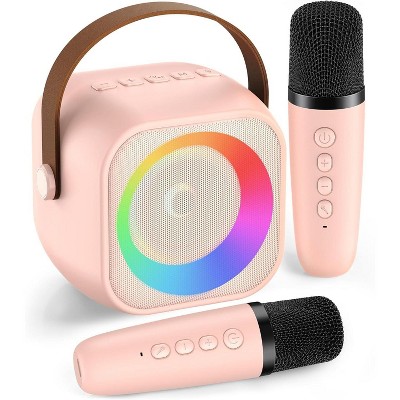
Mini Mic Pro Karaoke Machine with Microphones

Sponsored

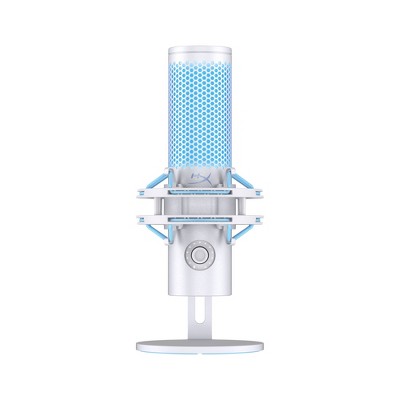
HyperX Quadcast 2 USB Condenser Gaming Microphone for PC - White: Personal Computer Accessory Set

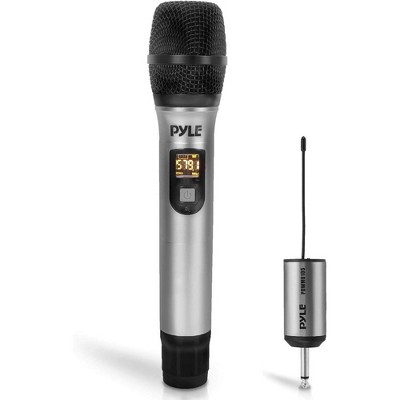
Pyle UHF Wireless Microphone System - Gray

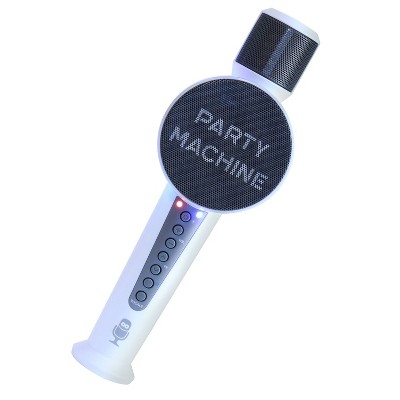
Singing Machine Portable Bluetooth Speaker with Microphone

$17.29 - $29.99

Sponsored

Powered by AI

Guests also ask:

Sampling and bit-depth support varies by model. Examples in the results include 16-bit/48 kHz, 24-bit at higher sample rates, 24-bit/192 kHz, and on some devices a 48 kHz, 32-bit-float option.

Many USB table microphones include a 3.5 mm headphone jack for real-time monitoring. Some packages bundle monitor earphones or provide a dedicated headphone/aux output for direct monitoring.

Frequency response varies widely by model. Examples provided range from roughly 100 Hz–10 kHz up to full-range 20 Hz–20 kHz. Consult a specific model’s spec sheet to confirm its exact response and whether it suits voice-only or full-spectrum recording.

Desktop/table USB microphones most commonly use USB-A or USB-C connections and are bus-powered (no internal battery). Many include USB cables or adapters (for example Micro‑B to USB‑A/C) for plug-and-play operation.

Pickup patterns range from directional cardioid to omnidirectional. Some models offer selectable modes—such as cardioid, bidirectional, omnidirectional, and stereo—to suit single-voice, interview, or group recording scenarios.

Onboard controls that help improve clarity include DSP or speech-enhancement modes, selectable pickup patterns, sensitivity/gain adjustments, mute and headphone-volume controls, and sometimes a high-pass filter to reduce low-frequency rumble.

Sponsored

Get top deals, latest trends, and more.