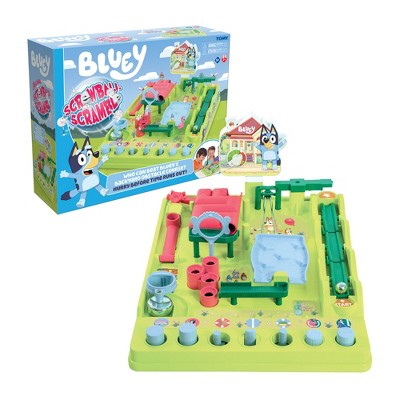
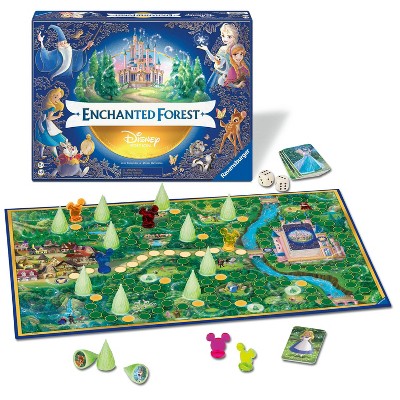
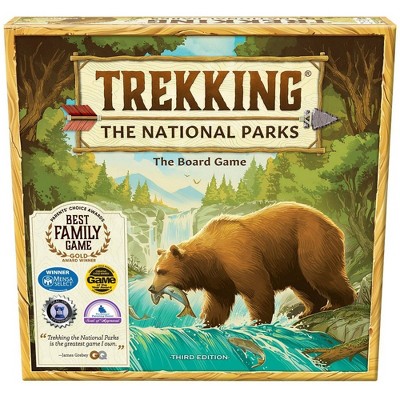
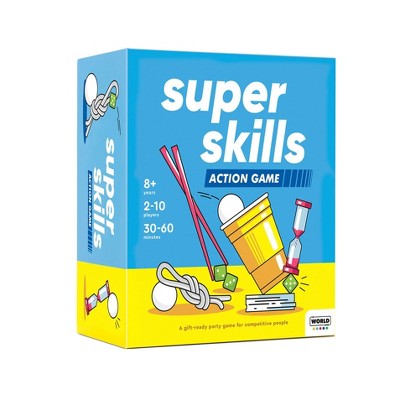
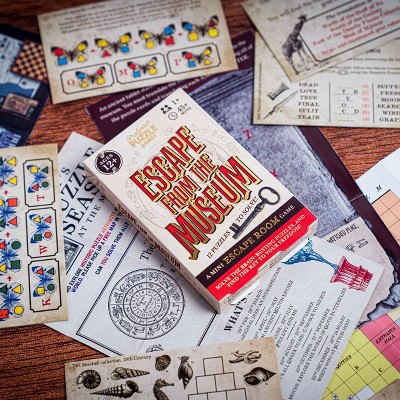
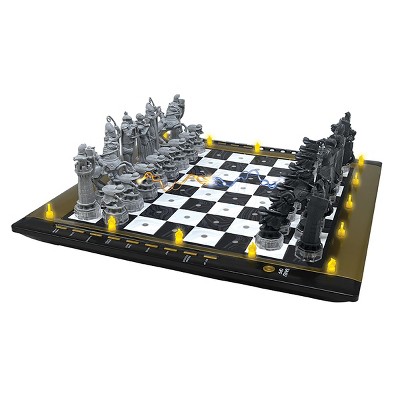
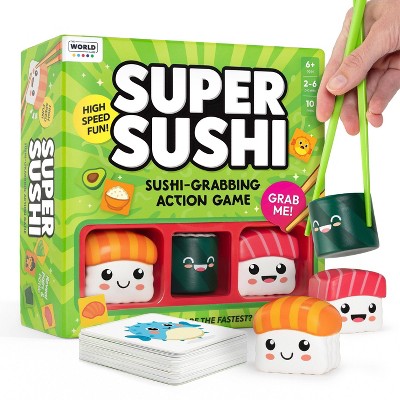
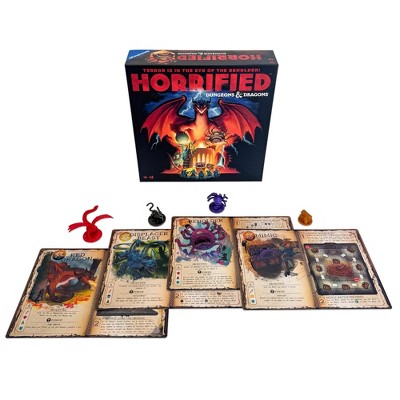
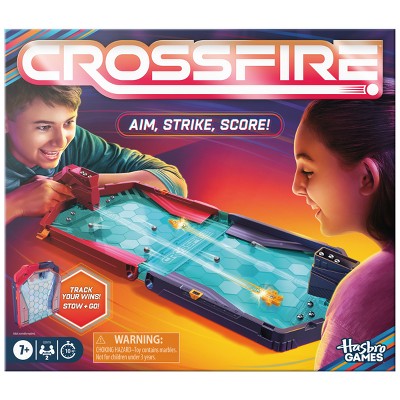
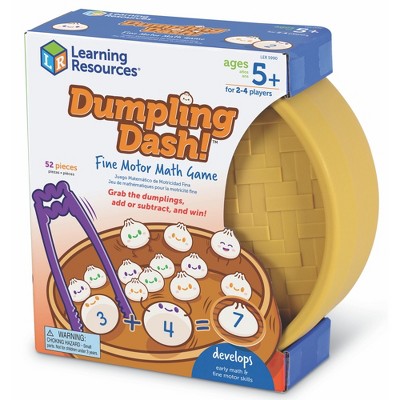
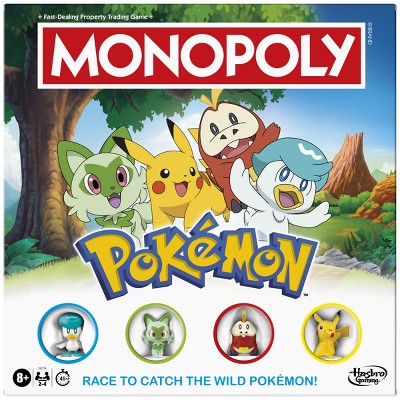
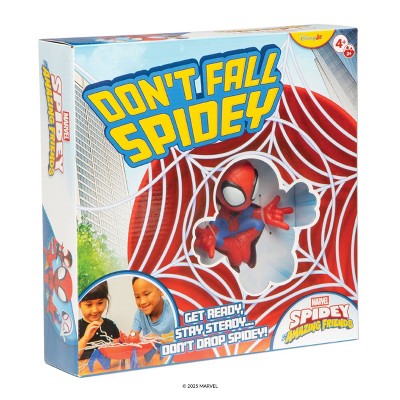
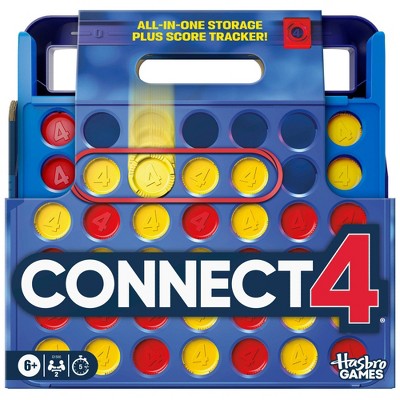
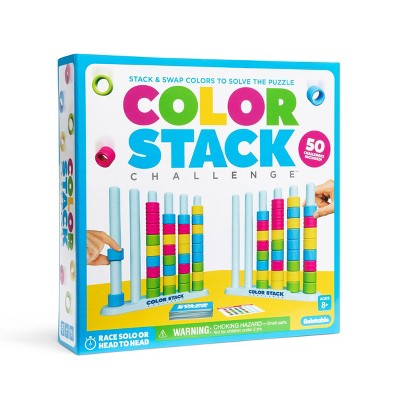
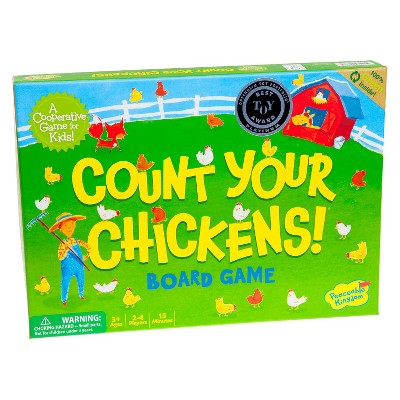
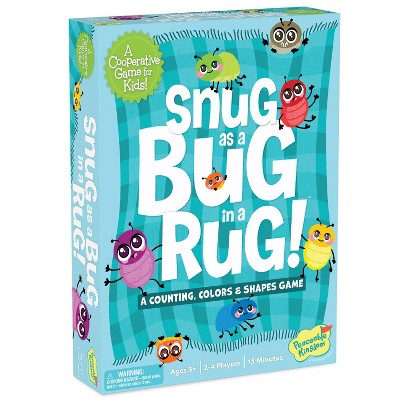
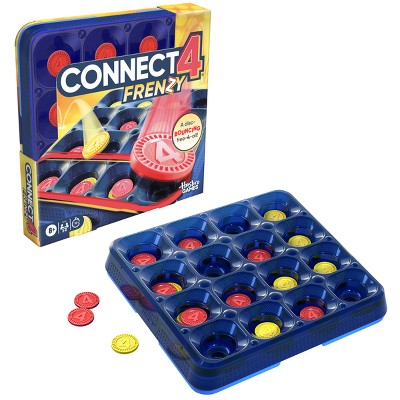
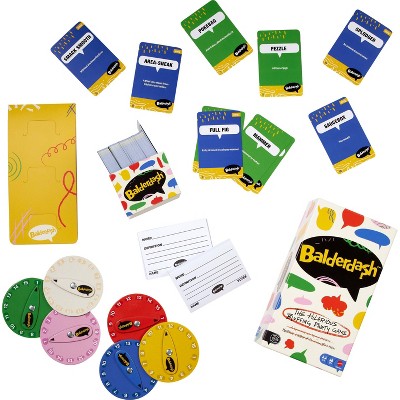
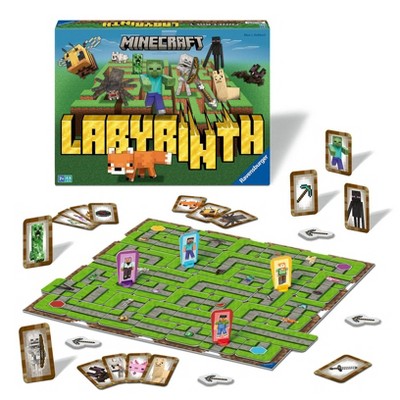
Vintage and classic games target a broad range of ages, commonly starting around 5 years and up and extending into teen/adult ranges. Product listings frequently show suggested ages such as 5, 6, 7, 8 and 16 years and up.
Playing times vary widely. Common ranges are very short rounds (~5–15 minutes), short sessions (~15–30 minutes), medium sessions (30–60 minutes), and some titles that run longer (about 1–2 hours).
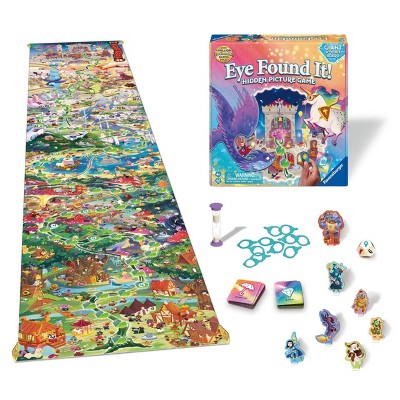
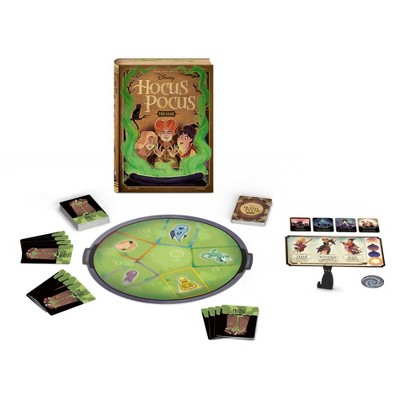
Common components include game boards, decks of cards, instructions, generic game pieces (pawns/markers), wooden pieces, dice, balls/marbles, and storage elements. Some listings also call out extras such as wedge holders or score pads.
Classic games commonly list educational and developmental benefits such as social skills, fine motor skills, numeracy and problem solving, pattern recognition, geography and science basics, shapes and colors, creative thinking, construction and cause-and-effect learning, and decision-making.