Target New ArrivalsBack to SchoolCollegeClothing, Shoes & AccessoriesHome & DecorKitchen & DiningOutdoor Living & GardenGroceryHousehold EssentialsBabyBeautyPersonal CareSports & OutdoorsHealthWellnessSchool & Office SuppliesToys & GamesElectronics & TechVideo GamesMovies, Music & BooksParty SuppliesGift IdeasGift CardsPetsUlta Beauty at TargetShop by CommunityTarget OpticalDealsClearanceNew ArrivalsBack to SchoolCollegeTop DealsTarget Circle DealsWeekly AdShop Order PickupShop Same Day DeliveryRegistryRedCardTarget CircleFind Stores

what do we know about bigfoot

349 results for “what do we know about bigfoot”

Sponsored

Sponsored

Powered by AI

Guests also ask:

Bigfoot books commonly cover historical accounts and sightings; habits and characteristics; methods of communication; cultural variants; media appearances; and investigations into evidence, hoaxes, and related conspiracy theories.

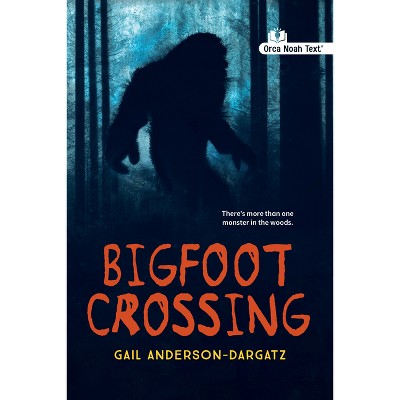
Titles take varied approaches: some present an investigative or skeptical look at the evidence, questioning whether Bigfoot is real or a hoax; others treat it as cultural folklore or present fictional storytelling that assumes the creature exists.

The books mention regional and global variants, noting Bigfoot/Sasquatch in the Pacific Northwest and related creatures worldwide such as the Yeti and the yowie.

Many titles include extras such as maps of sighting areas; informational “Fact” boxes; quizzes; glossaries (sometimes with pronunciation guides); “Read More” bibliographies; internet site lists; and indexes.

Many titles use a lighthearted or cheeky tone with dynamic, often cartoonish illustrations, full-page color and black-and-white art, speech balloons, and some gross or humorous touches; other books employ engrossing, thoughtful reference-style writing.

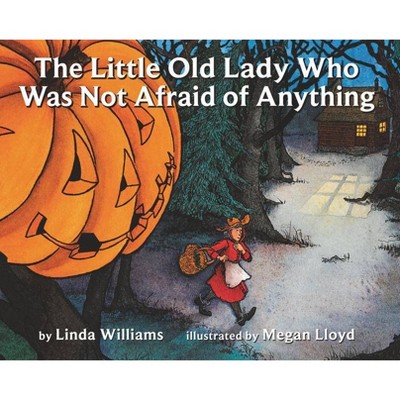
Fictional treatments include children’s mystery/adventure stories that place Bigfoot in a narrative (for example, night-time desert legends and detective-style adventures) and campfire-style scary tales with rhythmic storytelling and illustrated scenes.

Children’s books use easy-to-read text, short quizzes, bold headings, and engaging illustrations to support struggling or young readers, while adult-oriented volumes treat cryptids as cultural and historical subjects with more comprehensive scope, lists, indices, and bibliographies.

Get top deals, latest trends, and more.