Labels commonly list origins such as the Pacific or the Gulf of Mexico, while some packages direct shoppers to "see label" or a variable/label-specified region for exact origin information.
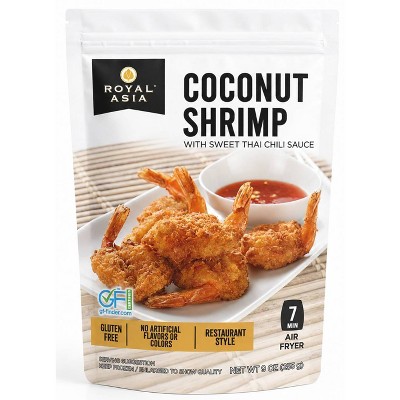
Typical home methods include skillet cooking, boiling, baking, air frying, and deep frying. Packages may give specific skillet or boil times; follow package directions and cook shrimp until they are fully opaque (and reach an internal temperature of about 145°F) before serving.
Breaded wild shrimp labels typically list the shrimp plus common breading allergens such as milk and wheat. Some product descriptions also note the presence of a bioengineered food ingredient.
Breaded or popcorn-style frozen wild shrimp generally provide about 9 to 10 grams of protein per serving, according to the product nutrition information cited.
Typical instructions advise refrigerating shrimp overnight (about 12 hours) or using a cold-water method for about 10–15 minutes; packaging may caution against thawing under running water or in the microwave. Cook shrimp until fully opaque and to an internal temperature of about 145°F, and do not refreeze shrimp that have been thawed. Always follow the specific instructions printed on the product label.
Many frozen wild shrimp products are described as quick and easy to prepare—suitable for pan-frying, baking, or air frying—and are marketed as convenient options for fast meals or snacks.