Target New ArrivalsHalloweenClothing, Shoes & AccessoriesHome & DecorKitchen & DiningPatio, Lawn & GardenGroceryHousehold EssentialsBabyBeautyTarget Beauty StudioPersonal CareSports & OutdoorsPetsHealthWellnessSchool & Office SuppliesToys & GamesElectronics & TechVideo GamesBooks, Music & MoviesParty SuppliesGift IdeasGift CardsShop by CommunityTarget OpticalDealsClearanceNew ArrivalsBack to SchoolCollegeTop DealsTarget Circle DealsWeekly AdShop Order PickupShop Same Day DeliveryRegistryRedCardTarget CircleFind Stores

baby wooden puzzle

578 results for “baby wooden puzzle”
Recommendations for you

Skip to next section

Sponsored

Skip to next section

Sponsored

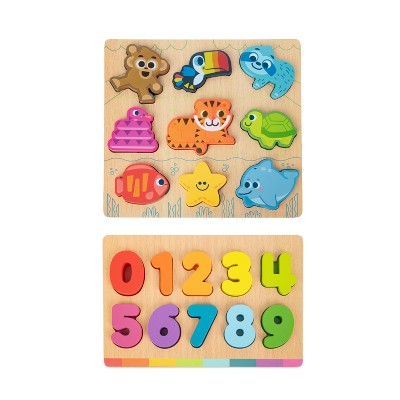
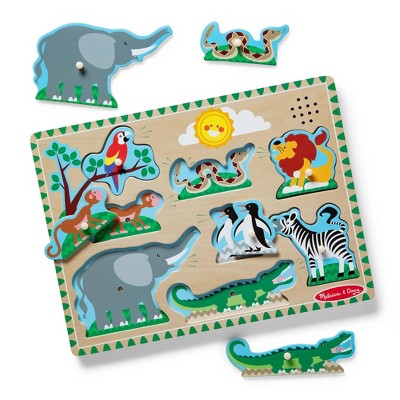
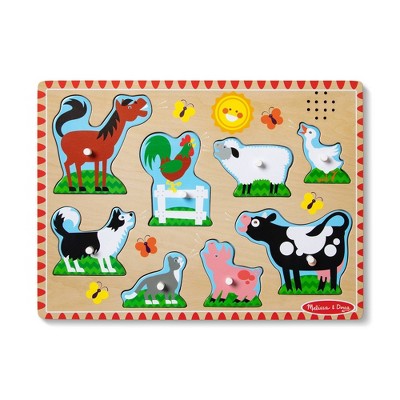
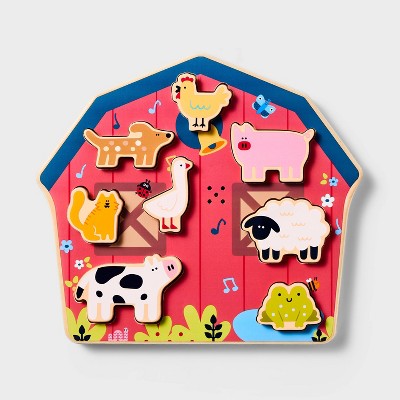
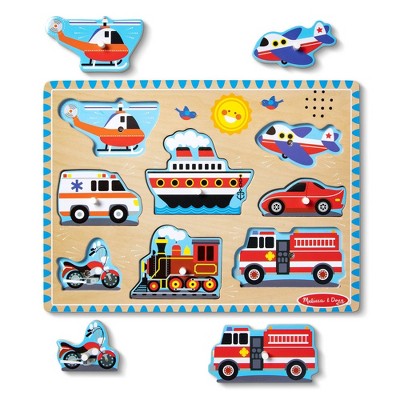
Chunky Sound Puzzle - Gigglescape™

$8.50
reg $10.00
Clearance

Sponsored

Powered by AI

Guests also ask:

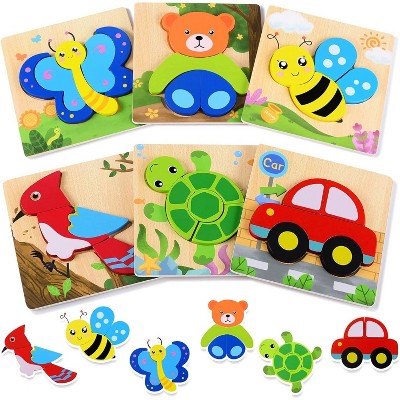
Listings commonly recommend baby wooden puzzles starting around 16 months and up through early childhood. Many items specifically cite about 18 months–2 years as a typical range, while some models note suitability up to about 5–6 years. When choosing, match simpler peg/low-piece boards for younger toddlers and larger multi-piece or alphabet sets for older preschoolers.

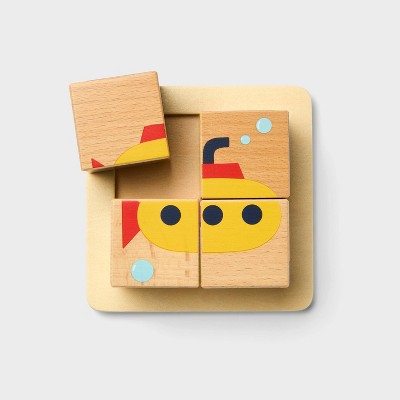
Baby wooden puzzles are typically made from wood-based materials such as birch, plywood, and MDF (medium-density fiberboard). Some designs also incorporate nonwood components like paper, metal, or plastic for details or functional parts.

These puzzles commonly support fine motor skills (grasping and placing pieces), problem-solving, memory, and shape/letter/number recognition. Some listings also call out benefits for language development, emotional skills, early counting, and letter–sound awareness.

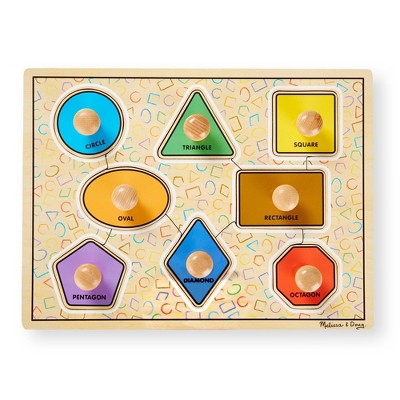
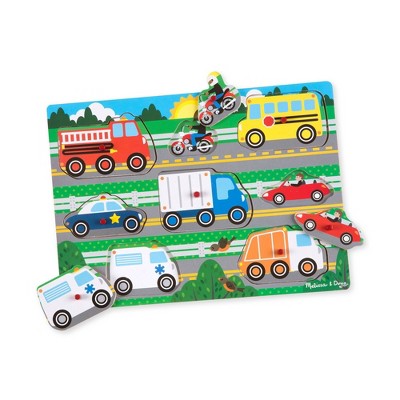
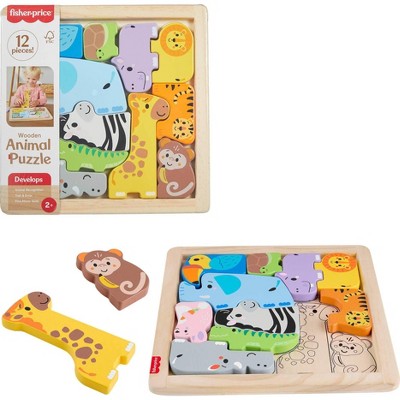
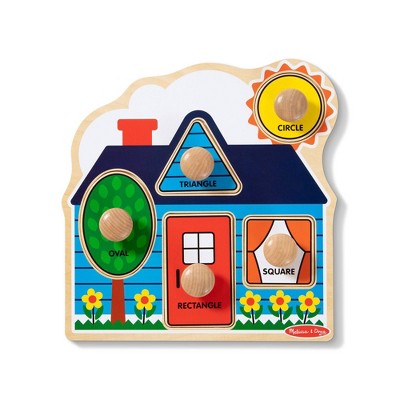
Many puzzles use shaped pieces (often with illustrations hidden underneath), rounded corners, and nesting slots in the board for secure storage. Some designs also include peg handles or raised grips to make lifting pieces easier.

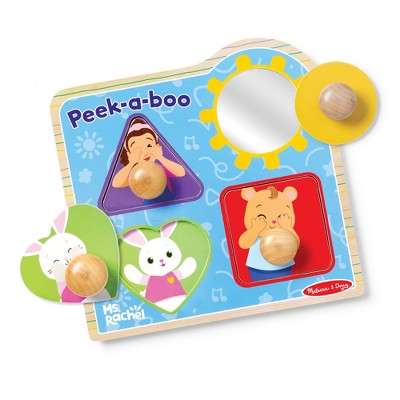
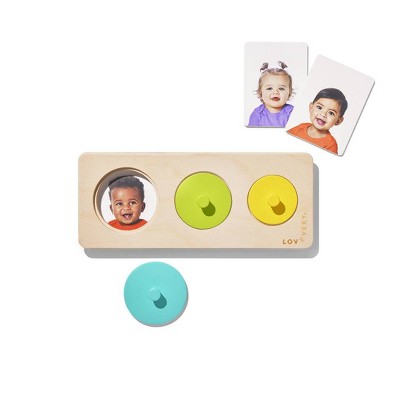
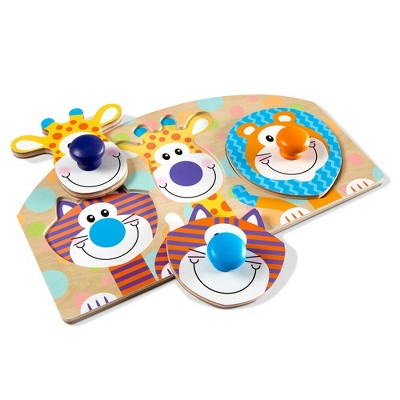
Designs aimed at toddlers include chunky pieces, easy-to-grasp pegs, rounded corners, and pieces sized so small hands can lift and match them on the board.

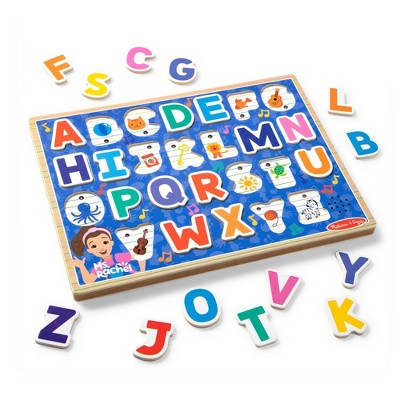
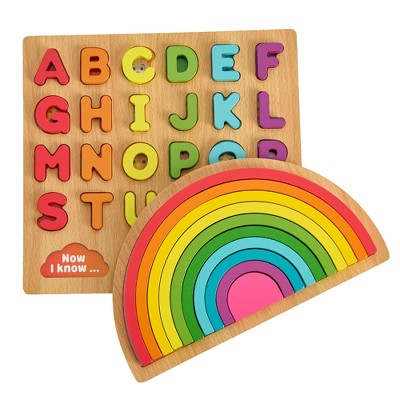
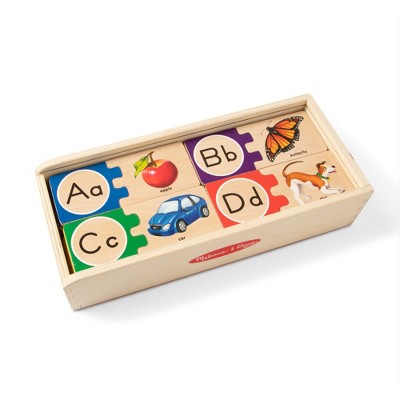
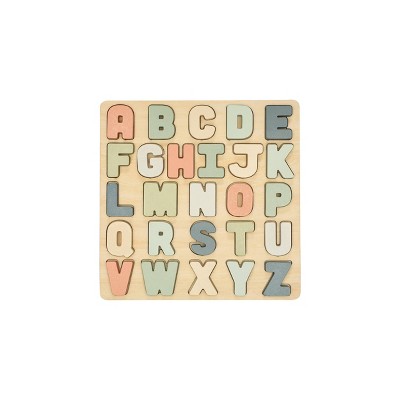
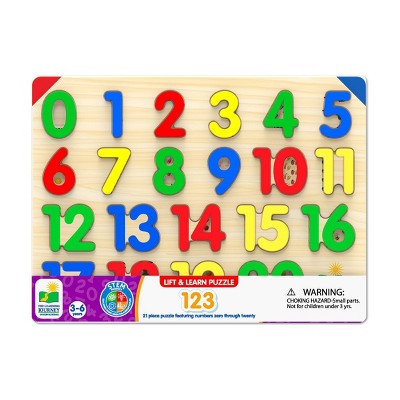
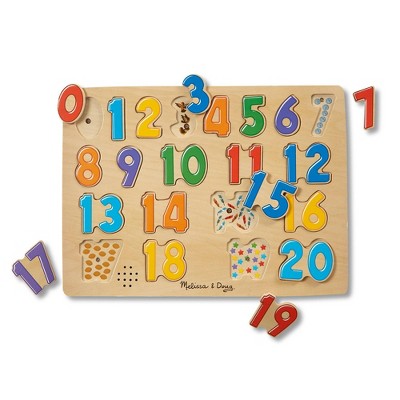
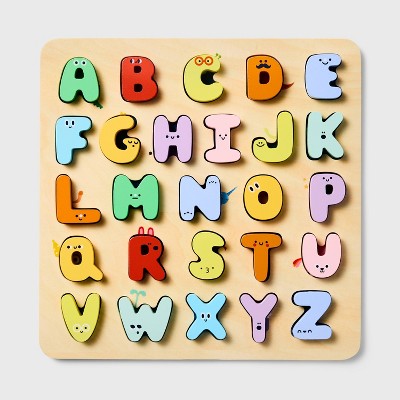
Alphabet and number puzzles typically use individual letter/number pieces that nest into a board, often with colorful painted designs and matching images hidden under each piece. Some versions also include spoken letter sounds.

Sound-enabled puzzles generally require two AAA batteries. Listings commonly state that batteries are required but not included and may specify Zinc Carbon or Alkaline AAA types.

Skip to next section

Get top deals, latest trends, and more.