Target New ArrivalsBack to SchoolCollegeHalloweenClothing, Shoes & AccessoriesHome & DecorKitchen & DiningOutdoor Living & GardenGroceryHousehold EssentialsBabyBeautyPersonal CareSports & OutdoorsPetsHealthWellnessSchool & Office SuppliesToys & GamesElectronics & TechVideo GamesMovies, Music & BooksParty SuppliesGift IdeasGift CardsShop by CommunityTarget OpticalDealsClearanceNew ArrivalsBack to SchoolCollegeTop DealsTarget Circle DealsWeekly AdShop Order PickupShop Same Day DeliveryRegistryRedCardTarget CircleFind Stores

bermuda seed

710 results for “bermuda seed”

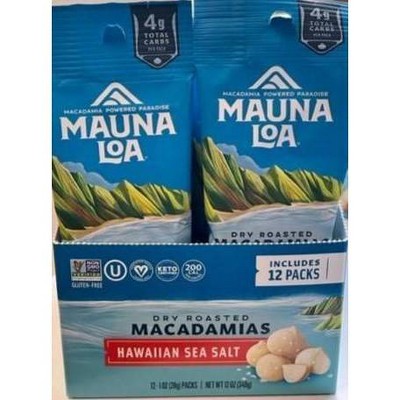
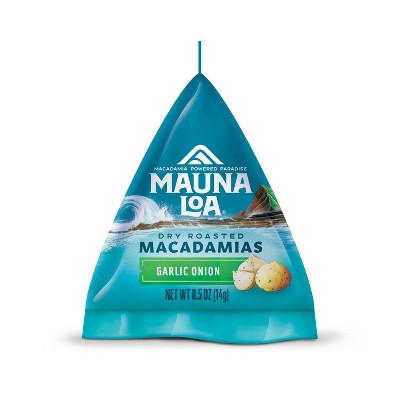
Mauna Loa Maui Onion & Garlic Macadamias .5oz

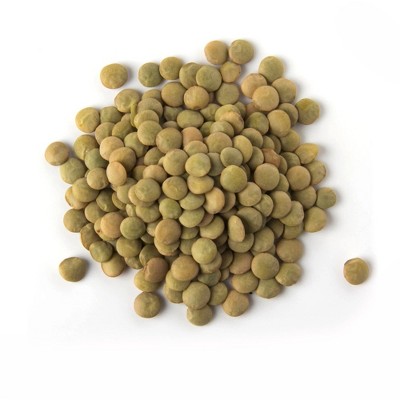
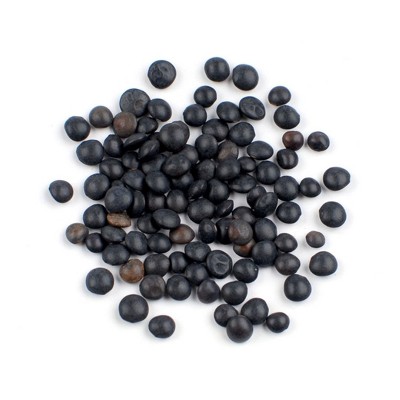
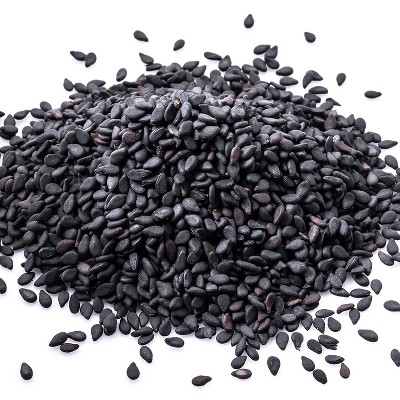
Black Beluga Lentils

Mauna Loa Sea Salt Snack Macs - 1oz

$2.59($2.59/ounce)

Sponsored

Mauna Loa Maui Onion Garlic Snack Macs - 1oz

$2.59($2.59/ounce)

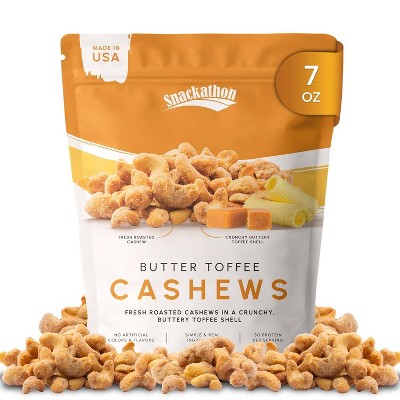
Snackathon Butter Toffee Cashews

Mauna Loa Dry Roasted Macadamia's - 3 Can Pack

Iberia Dry Black Beans - 12oz

$1.29($0.11/ounce)
4.5(22)
SNAP EBT eligible

Sponsored

Powered by AI

Guests also ask:

Most product listings show germination in about 7–14 days. Some blends or mixes can take longer, with a few products listing up to about 30 days, depending on the formulation and conditions.

Coverage varies widely by package size and product type. Small spot-repair packages may cover roughly 85 sq ft, larger bulk bags can cover around 1,200 sq ft, and some 5 lb bags list coverages such as about 665 sq ft (new lawn) or up to 2,000 sq ft (overseeding). Always check the package label for the exact coverage for that product.

Products generally recommend planting bermudagrass in warm conditions—typically when daytime temperatures are between 70°F and 90°F. Late spring to early summer (after the lawn has greened and soil temperatures are in that range) is the commonly suggested planting window.

Light requirements depend on the formulation: some bermudagrass mixes are labeled for full sun, while others are designed to tolerate a mix of sun and partial shade. Check the product label for the specific light recommendation.

The product listings generally target USDA hardiness zones 7–10 (zones 7, 8, 9, and 10).

For small repairs, some products come in pourable jug formats designed for hand-dispensing into patches. For larger areas, broadcast spreaders are recommended to achieve an even application; several product details explicitly advise using a spreader for best results.

Some mixes combine seed with mulch, a controlled‑release fertilizer, a tackifier and a protectant. Other formulas are marketed as 3‑in‑1 blends containing seed, fertilizer and a soil improver.

These seeds are aimed at repairing bare spots and thinning lawns and are described as suitable for tough conditions such as heat and dry areas, high traffic and slopes. Some blends are specifically formulated to thicken existing turf.

Follow product directions for mulch saturation—saturate any seeded mulch until it stops absorbing and darkens—then keep the soil surface consistently moist. Most product guidance calls for daily or frequent light watering for the first one to three weeks, depending on the product.

Product 'days-to-maturity' values vary, with listings in the range of about 10 to 30 days—examples include 10 days, 14 days and 30 days. Check the specific product information for its definition of 'maturity' or establishment, since that can differ by product.

Get top deals, latest trends, and more.