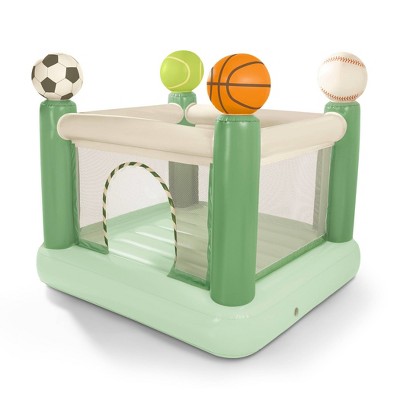
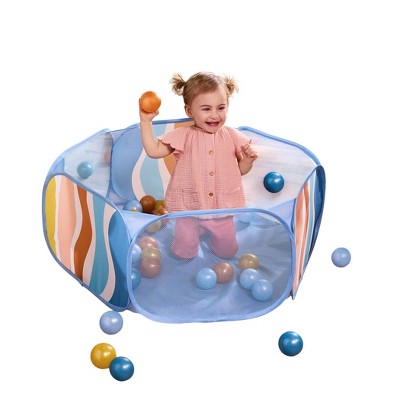
Common play features include a jumping area, one or more slides, splash pools or ball pools, climbing walls, ball toss/net and hoop rings, water cannons, pitching/ball-shooting holes, and ring-toss elements. Many models combine several of these zones to offer varied activities in a single unit.
Capacity varies by model. Small ride-on bouncers usually accommodate 1–3 children; many standard animal bounce houses are listed for 1–3 (often 2–3); larger animal water-park style inflatables can be designed for up to about 4 children.
Most packages include an electric blower (commonly around 370W), inflatable balls and hoop rings, anchor/ground pegs or stakes, a repair kit or patches, a carry/storage bag, an inflator or manual pump, and an instruction manual.
Common materials include 420D and 840D Oxford cloth, waterproof PVC/PVC fabric, nylon, 100% recycled polyester, general fabric, and plastic. Many listings emphasize puncture-resistant or reinforced fabric constructions.
Age recommendations vary by product: toddler options often start at about 18 months; many bounce houses target preschoolers (3–6 years); some inflatables list ranges for older children (for example 4–12 years); certain ride-on bouncers specify ages 5 and up.
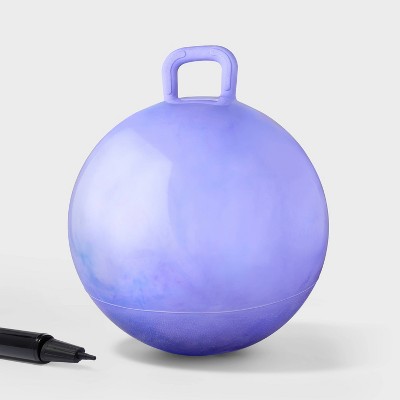
Full bounce houses commonly include an electric blower (often a 370W blower) and advertise very fast inflation (around 1 minute). Smaller ride-on inflatables typically include a foot or manual pump and list inflation times around 4 minutes.