Most rebound nets are designed to fold flat or collapse for compact storage, are lightweight for easy transport, and many include a carrying bag to improve portability.
Age guidance varies by product: some list 5 years and up, others 8 years and up, and several list 10 years and up.
Durable rebound nets commonly use metal frames, heavy-duty or UV-resistant netting (PET/PE), elastic bungee cords, reinforced edging, D-shackle angle locks, and include ground stakes for added stability.
Many trainers advertise tool-free, quick setup—some are ready in under five minutes, while larger models (like certain volleyball trainers) may take up to 15 minutes. A few models note that adult assembly or tools are provided for those specific units.
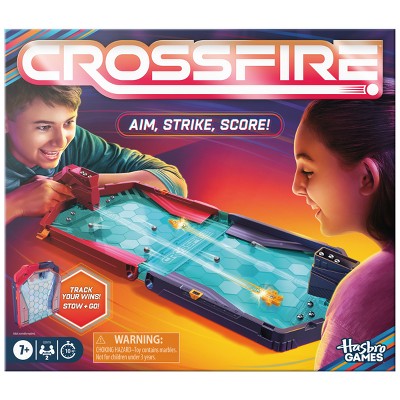
Common categories include water bouncing balls designed for lakes and ocean play, outdoor rebound nets and trainers for sports practice, and indoor electronic or tabletop bounce games that include a soft foam ball and compact game unit.
Rebound nets are commonly used for baseball and softball drills (pitching, hitting, fielding), for volleyball practice (spiking, setting, passing), and for multi-sport practice that can include soccer, basketball, and golf drills.
Adjustment features vary by model: some offer multiple tilt or angle positions, multi-goal pitching surfaces (e.g., a 9-goal design), and numbered angle settings such as five-position adjustments.
Ball sizes include roughly a 2.6-inch diameter bouncing ball; common rebound-net surfaces range from about 4 ft × 4.5 ft up to about 7 ft × 4 ft.
Indoor tabletop bounce games typically include a soft foam ball sized a little smaller than a tennis ball, stored with the game unit for indoor play.