Most kids' brain teaser toys list "no batteries required." A subset of electronic memory or sound-based games do need batteries—commonly 3 AAA (typically noted as 3 AAA alkaline in product details).
When specified, rounds or play sessions usually run about 15–20 minutes, with many listing around 15–20 minutes and several family games noting up to 30 minutes. Shorter puzzle activities are typically under 30 minutes.
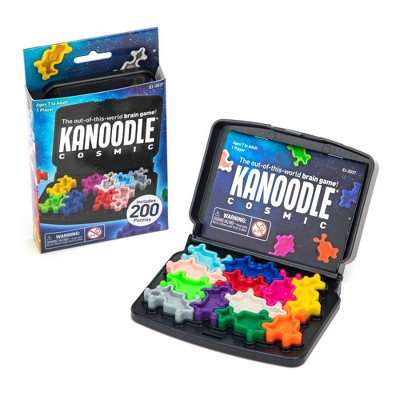
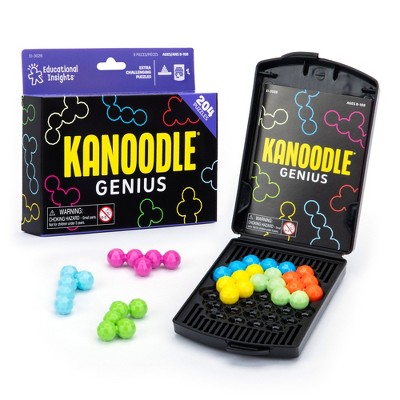
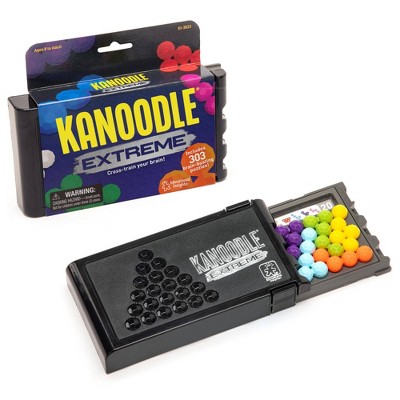
Yes—many are designed to be travel-friendly. Several puzzles come in compact or pocket-sized carrying cases, and reviewers often note that these toys are small enough to fit in bags or pockets for travel.
Many puzzles explicitly offer multiple difficulty levels or progressive challenges, spanning beginner to expert. Reviewers typically report a wide range of difficulty across products, from very easy starters to quite hard puzzles.
Target ages vary by product: many are aimed at preschoolers (about 3–4+), while others list ranges such as 7+ or 8+. Overall, listings commonly span from around 3 years and up through early elementary ages.
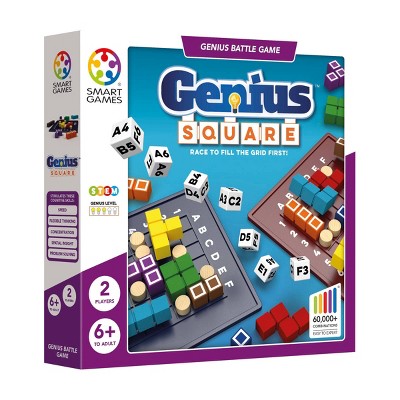
Player support varies: some puzzles are single-player, many games support small groups (commonly 1–4 players), and a few family-style games list larger ranges such as 2–6 players.
Plastic is the most common material. Others include fabric/polyester and PVC for soft or plush items, and some traditional or higher-end sets use wooden components (for example, wooden game boards).