Target New ArrivalsBack to SchoolCollegeClothing, Shoes & AccessoriesHome & DecorKitchen & DiningOutdoor Living & GardenGroceryHousehold EssentialsBabyBeautyPersonal CareSports & OutdoorsHealthWellnessSchool & Office SuppliesToys & GamesElectronics & TechVideo GamesMovies, Music & BooksParty SuppliesGift IdeasGift CardsPetsUlta Beauty at TargetShop by CommunityTarget OpticalDealsClearanceNew ArrivalsBack to SchoolCollegeTop DealsTarget Circle DealsWeekly AdShop Order PickupShop Same Day DeliveryRegistryRedCardTarget CircleFind Stores

breast milk freezer storage

214 results for “breast milk freezer storage”
Sponsored

Related deals

Sponsored

Sponsored

Powered by AI

Guests also ask:

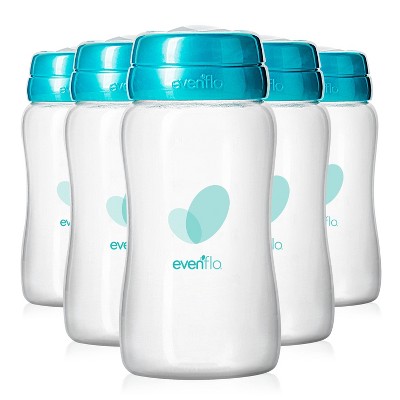
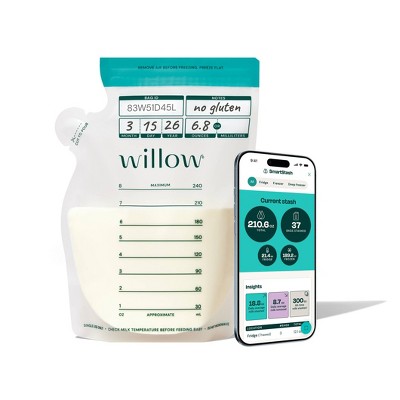
Common leak-protection features include reinforced double-sealed seams, double (zip) closures, tamper-evident tear-away tops, and threaded or screw-style caps—all described by manufacturers to help prevent leaks.

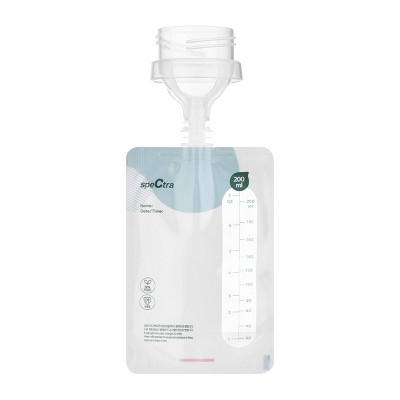
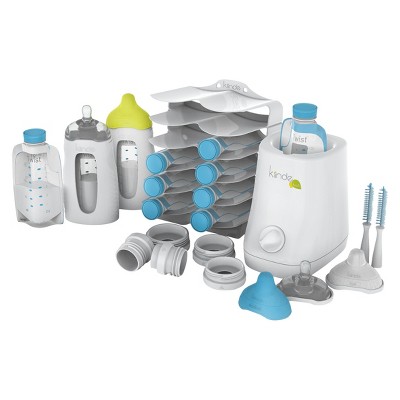
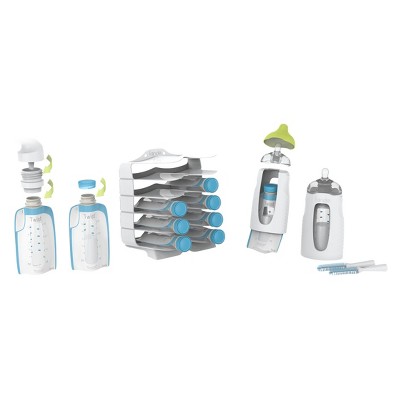
Pump-compatible systems let you attach an adapter or a twist-lock connection between the pump and the pouch, pump directly into the pouch, then seal the pouch for storage. Some systems are designed so you can also feed from the same pouch after sealing.

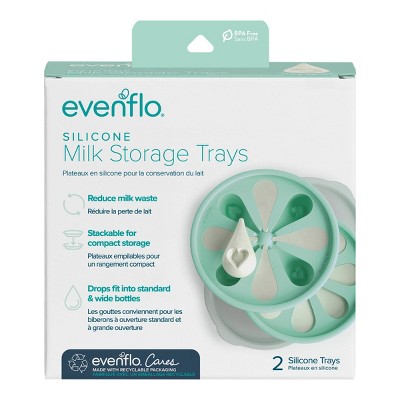
Use silicone or compartment-style trays designed for portion freezing: fill individual compartments with the desired small amounts of milk, freeze until solid, then pop out the portions and transfer them into a storage pouch or feeder pouch for soothing or later feeding.

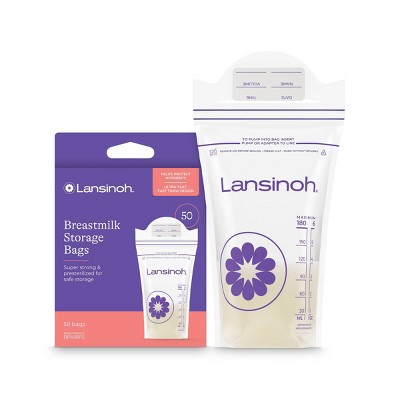
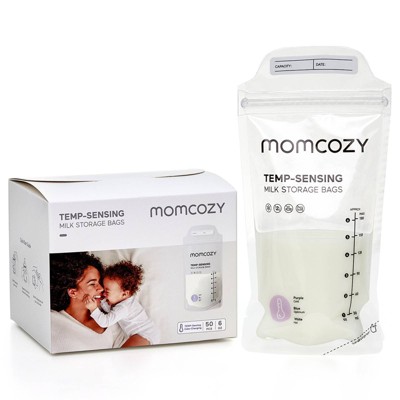
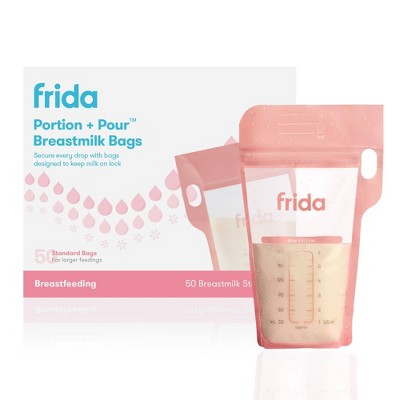
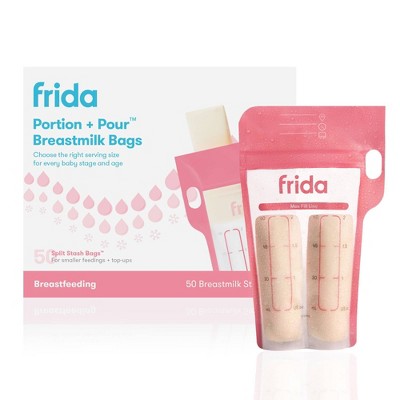
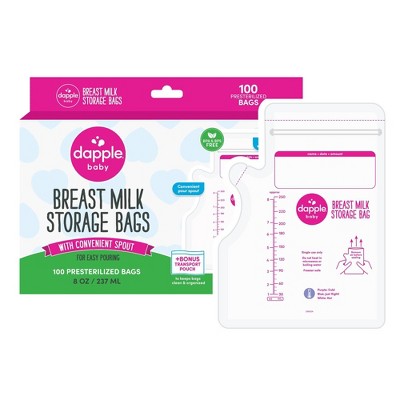
Pack sizes vary by brand, but common disposable pouch boxes are sold in counts such as 40 or 50. Silicone or feeder items are often sold as single units rather than multi-packs.

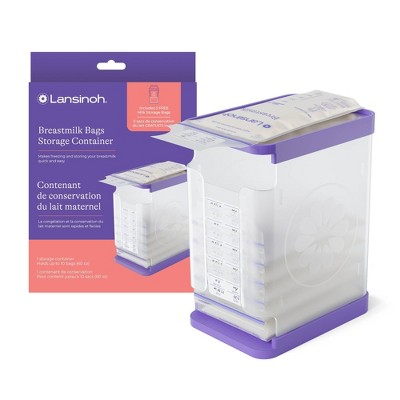
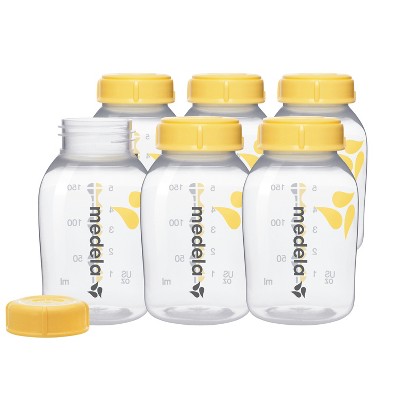
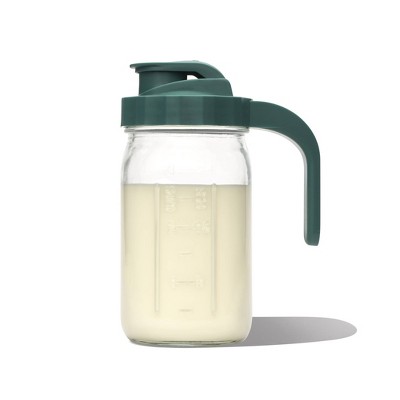
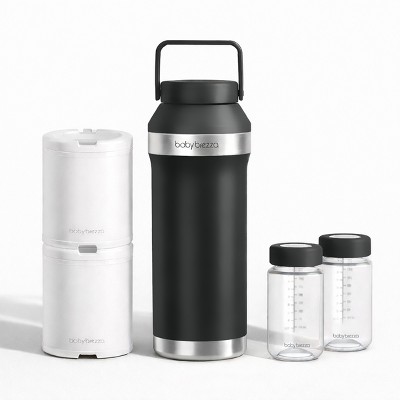
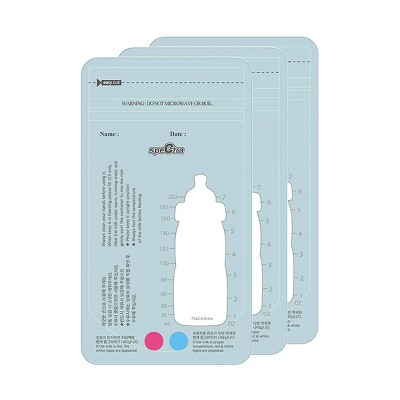
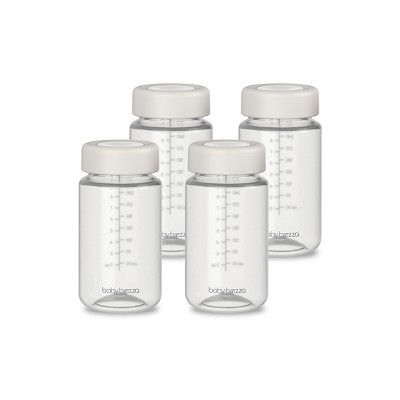
Disposable storage bags and pouches commonly list capacities around 6–8 ounces. Reusable freezer containers are usually described by cup capacity—examples in listings include roughly 1.3‑cup, 3.2‑cup, and 9.6‑cup sizes.

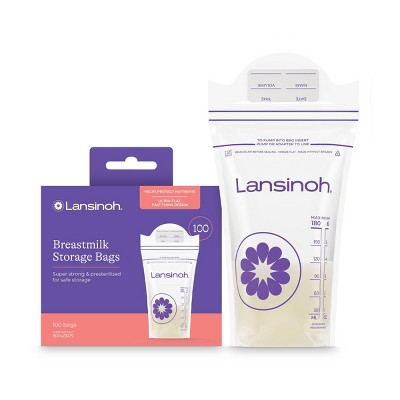
Many bags and pouches are designed to freeze flat or lay flat to save freezer space and promote faster, more uniform thawing. Some products advertise fast-freeze/thaw designs and features that help reduce leaks during transfer.

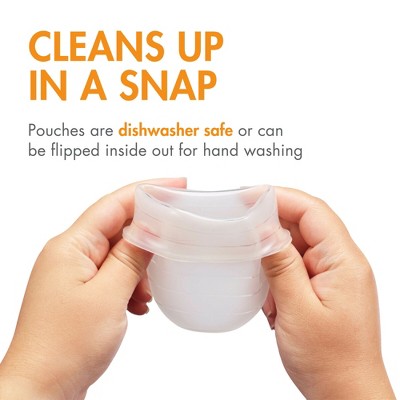
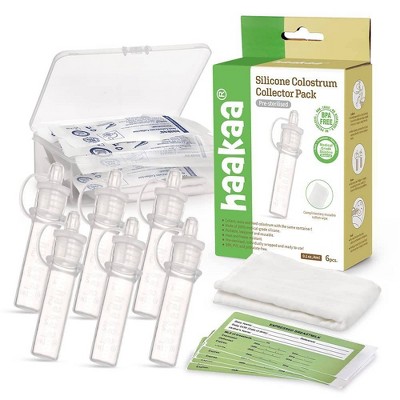
For reusable silicone items, disassemble and wash before first use, then sterilize silicone components by boiling (example: 5 minutes initially) or use a steam sterilizer. Follow product cautions for plastic components—manufacturers may recommend shorter boiling times (e.g., 2–3 minutes)—and avoid bleach-based cleaners. Disposable pouches are labeled to discard after single use.

Get top deals, latest trends, and more.