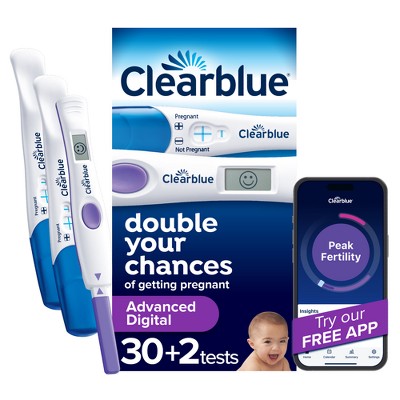
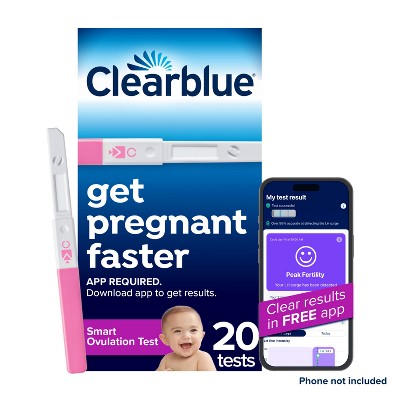
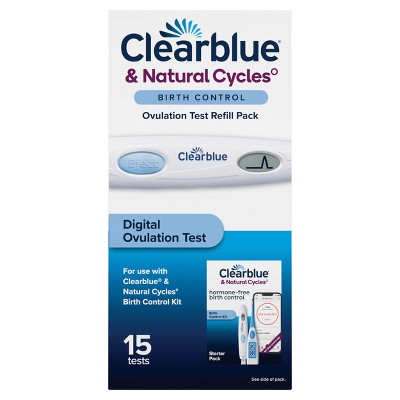
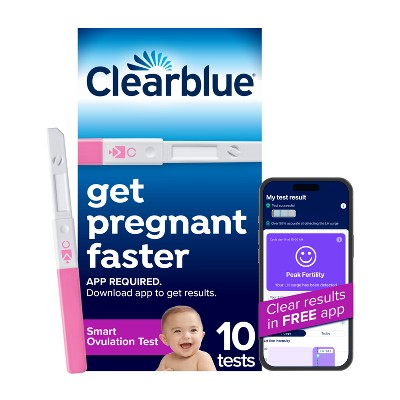
Clearblue advanced ovulation tests detect two fertility hormones: luteinizing hormone (LH) and the estrogen metabolite E3G.
Clearblue advanced digital ovulation tests typically identify four or more fertile days. The camera-read Clearblue Smart ovulation test focuses on identifying the two most fertile days.
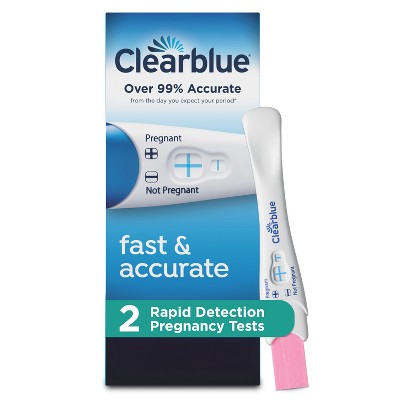
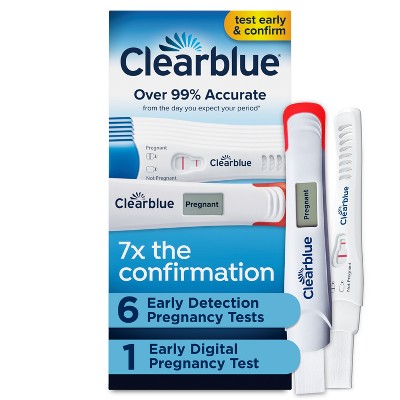
Clearblue pregnancy test materials list common sensitivities of 25 mIU/ml and 10 mIU/ml for early-detection tests. Clearblue ovulation tests are designed to detect low LH surges and can register LH levels below 25 mIU/ml.
Clearblue digital ovulation displays use simple symbols: a blank circle indicates low fertility, a flashing smiley face indicates high fertility, and a steady (static) smiley face indicates peak fertility.
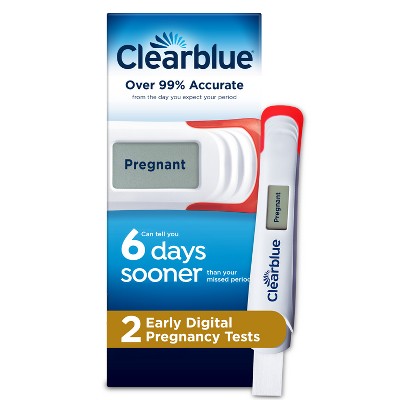
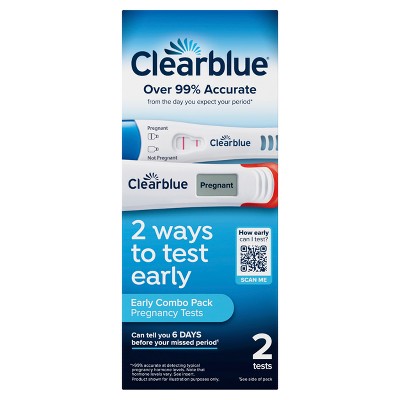
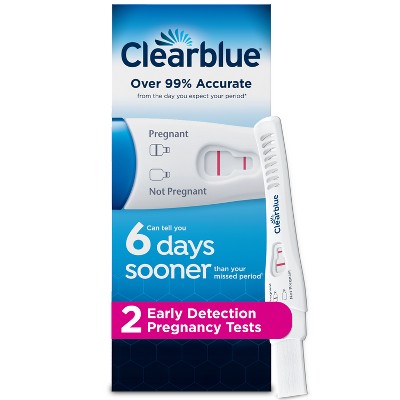
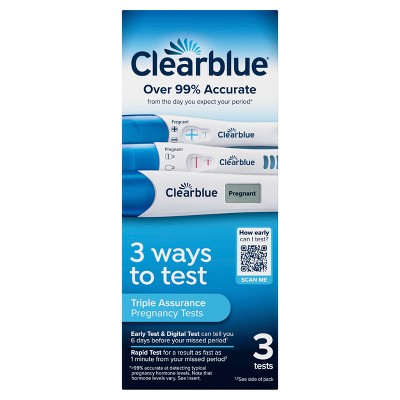
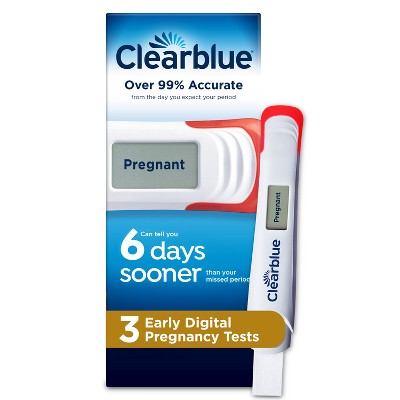
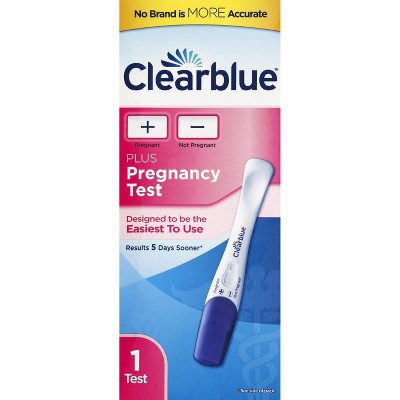
Some Clearblue early-detection tests can pick up pregnancy up to 6 days before a missed period (commonly described as 5 days before your expected period). Rapid-detection tests often list detection around 5 days before your period and may show a pregnant result in as little as 1 minute.
Clearblue pregnancy tests use plus/minus symbols, digital word results (e.g., “Pregnant” or “Not Pregnant”), and colored indicator lines. Clearblue ovulation tests use clear digital symbols such as a blank circle (low), a flashing smiley (high) and a steady smiley (peak).
Timing varies by test: some rapid pregnancy tests can show a pregnant result in about 1 minute; many pregnancy tests show results in 2–3 minutes; and some digital or advanced tests may take around 5 minutes.
Clearblue tests use urine samples. Most test sticks are designed for direct sampling in the urine stream or for dipping into a urine sample collected in a clean, dry container.