Dino lab kits are made for a range of age groups. Options target preschool and early-elementary children (around 4 years and up), elementary ages (about 5–6 years and up), mid-childhood (around 8 years and up), and older kids (a 9–12 years book option). Check individual product labels for exact age recommendations and supervision notes.
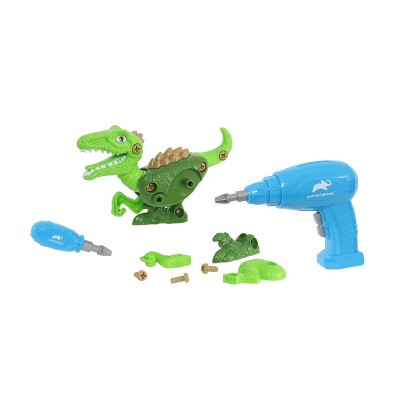
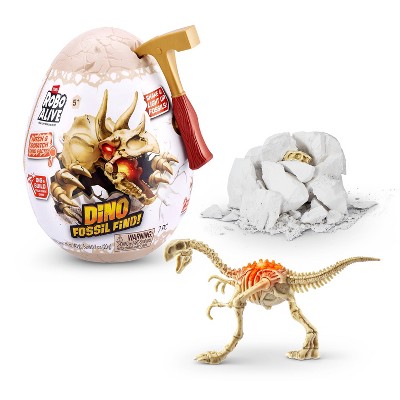
Common hands-on activities in dino lab kits include building and coding a robotic dinosaur, excavating dinosaur eggs or skeletons, planting and growing mini terrariums, and step-by-step craft projects or activity-book projects that pair instructions with dinosaur facts.
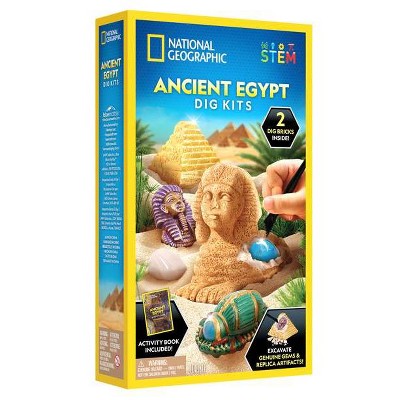
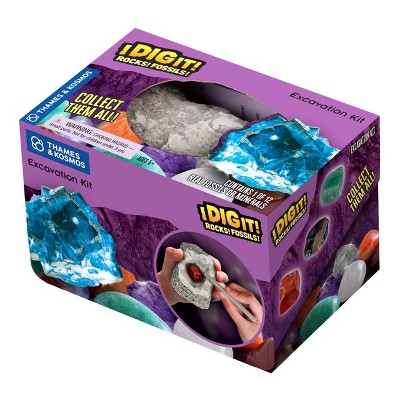
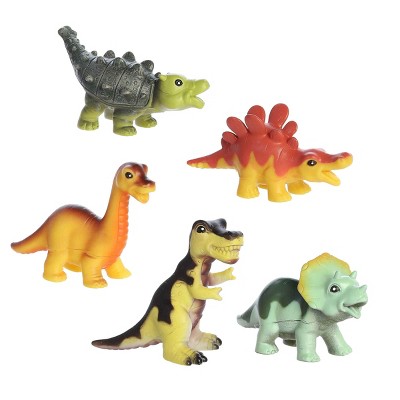
Excavation kits usually include chiseling or digging tools and an excavation guide; some dig gift sets contain individually wrapped clay or plaster eggs. Build kits and terrarium sets commonly include model pieces, motors/sensors/LEDs (for robotic kits), planting supplies (peat pellet and seeds), a USB cable, decorative figures, and printed learning guides.
Power methods vary by kit: some electronic or robotic kits require replaceable batteries (one notes 6 AA), terrarium kits often use an included USB power cable and light-up lids so no batteries are needed for the light, and several smaller kits list 'No Battery Used.' Check the product listing to confirm the required power type.
Excavation kits vary: many reviewers warn that traditional dig kits can produce dust or mud and recommend outdoor use or a drop cloth, while some products market a cleaner, dust-free excavation process. Read product descriptions and reviews to see whether a kit is advertised as dust-free or noted as messy.
Dino lab activity kits typically emphasize STEM concepts, paleontology-style excavation, and hands-on maker skills. Terrarium kits also cover plant growth and basic botany. Many kits include learning guides with dinosaur facts and suggested experiments.