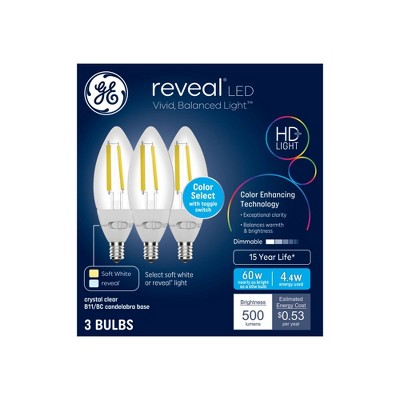
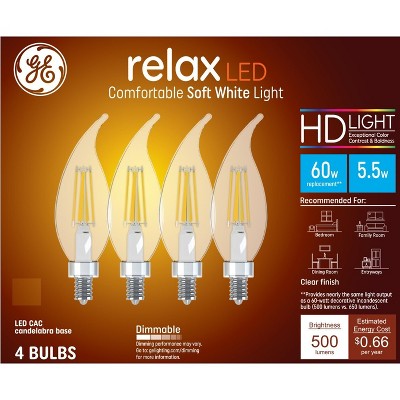
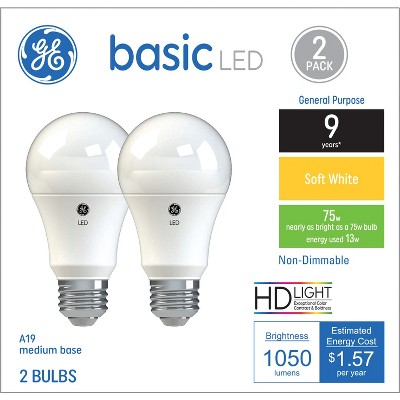
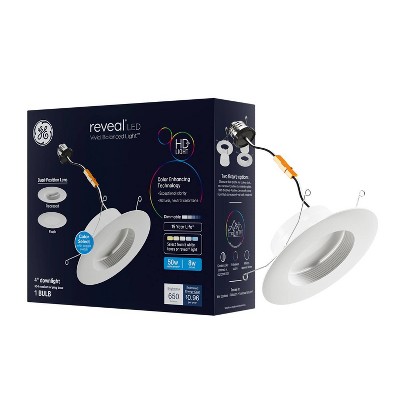
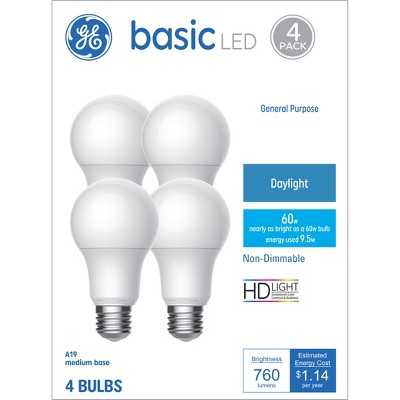
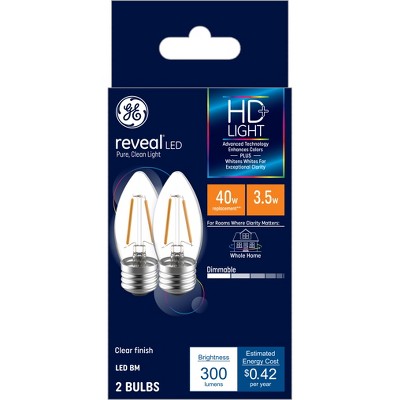
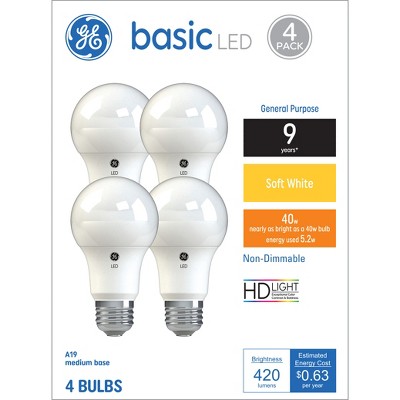
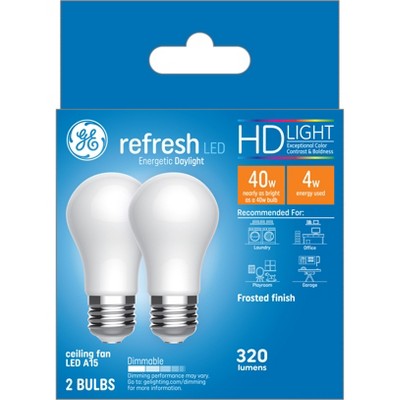
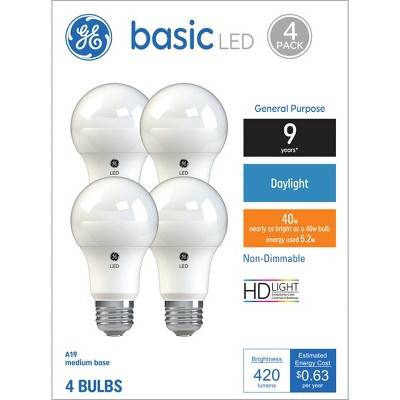
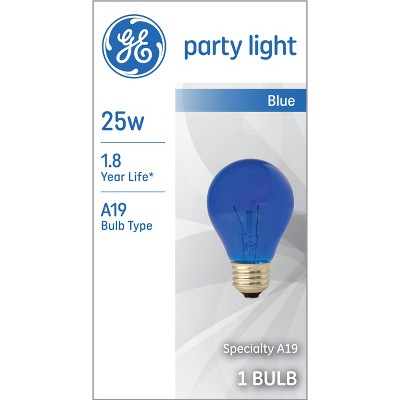
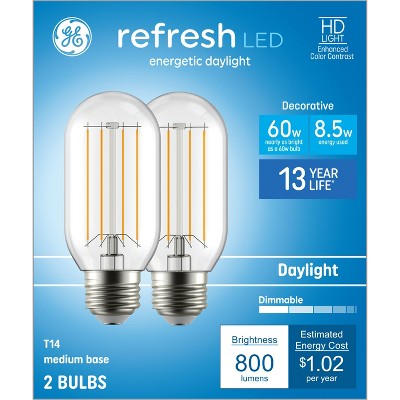
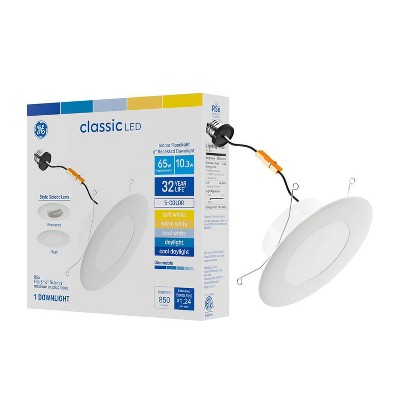
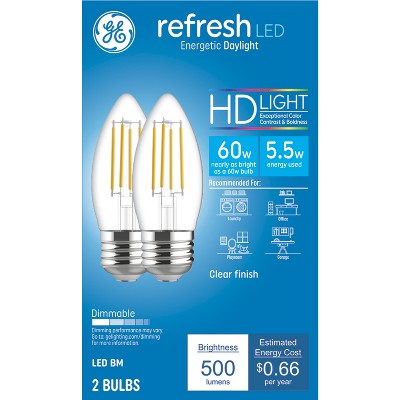
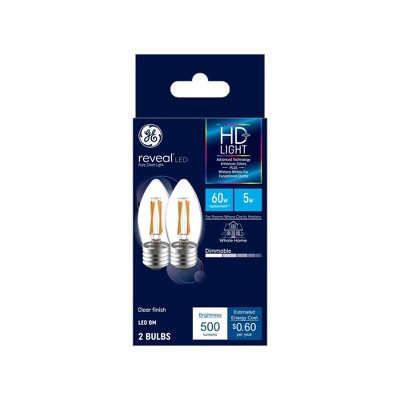
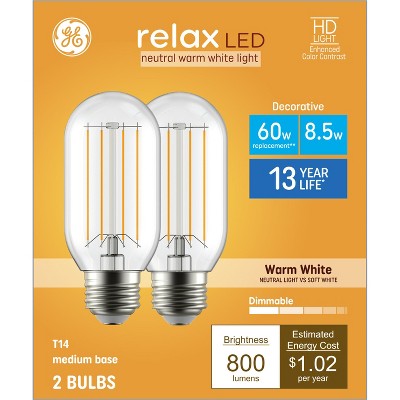
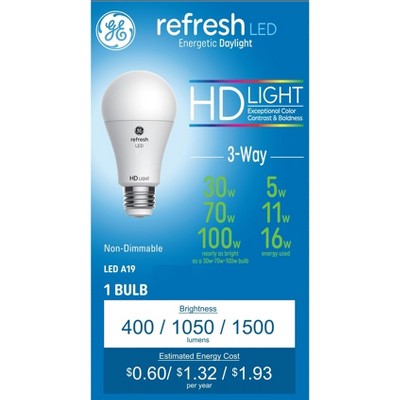
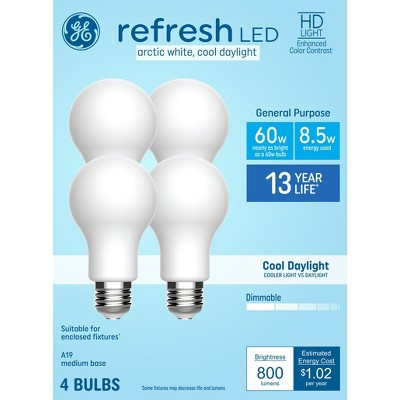
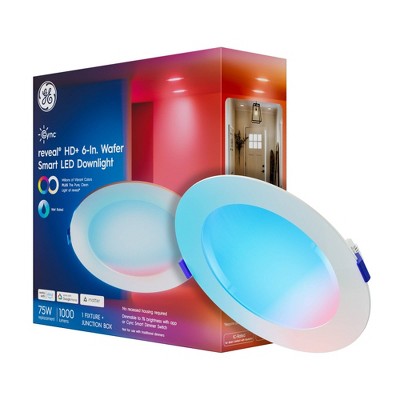
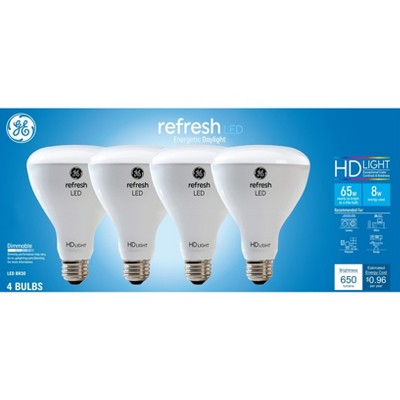
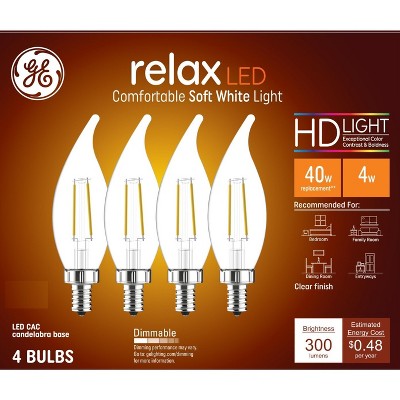
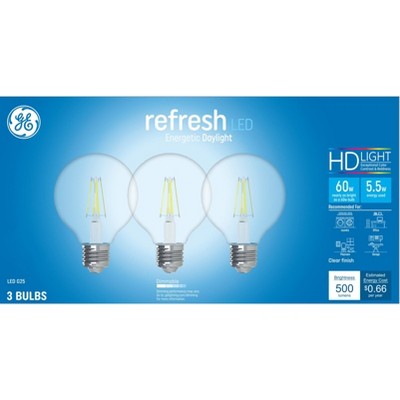
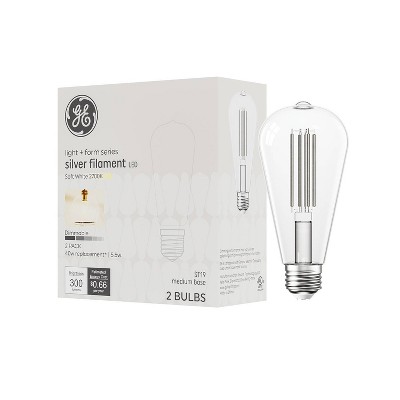
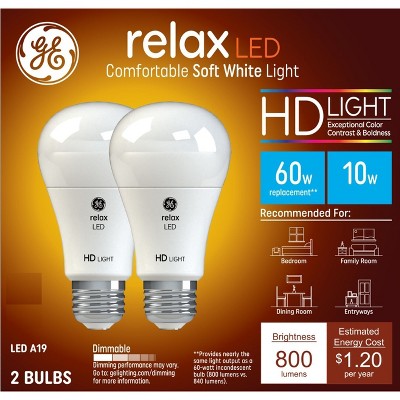
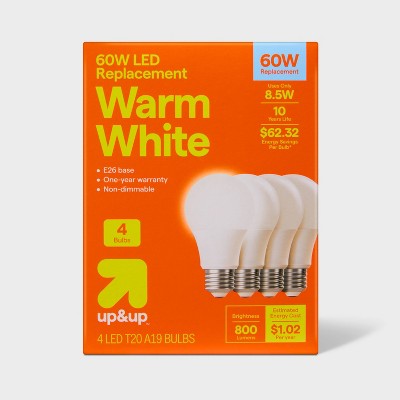
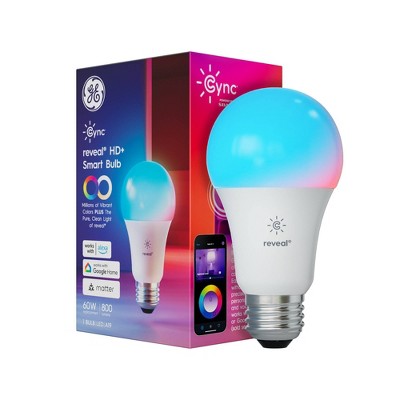
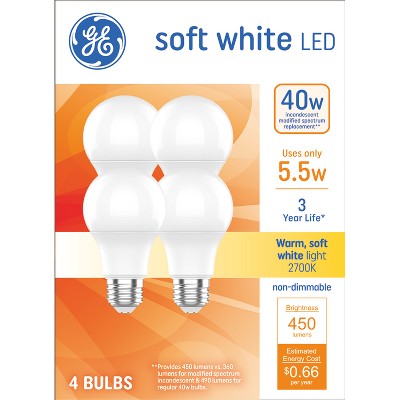
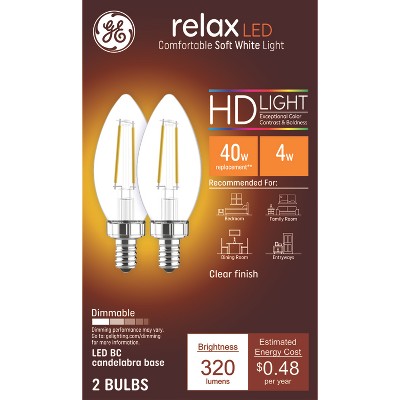
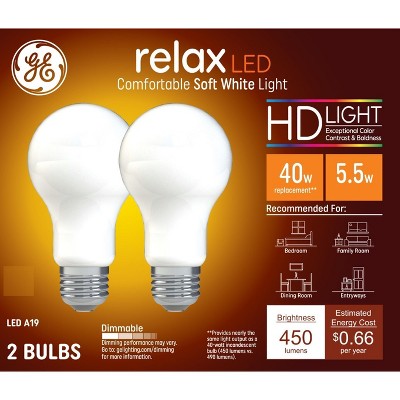
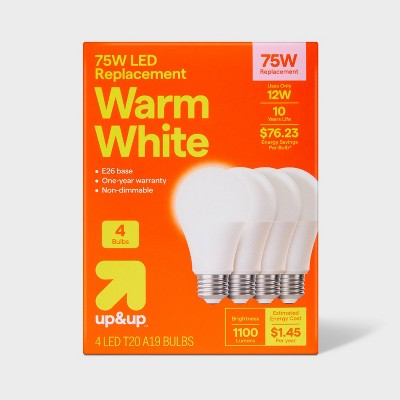
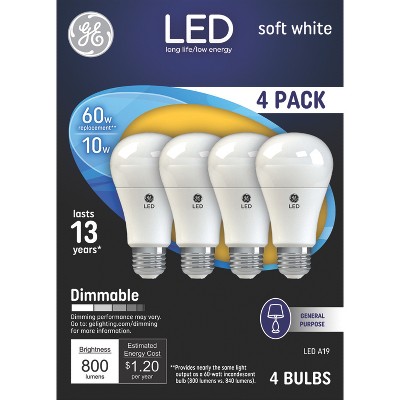
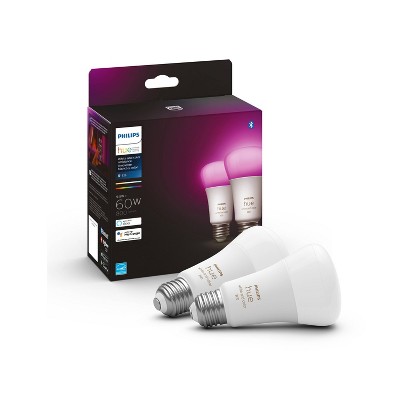
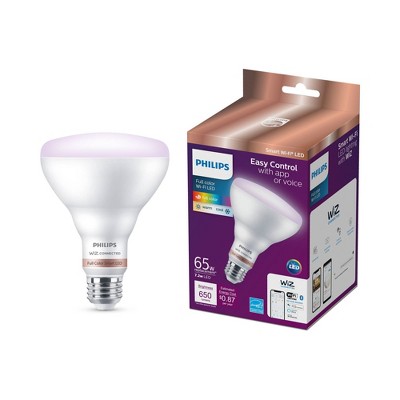
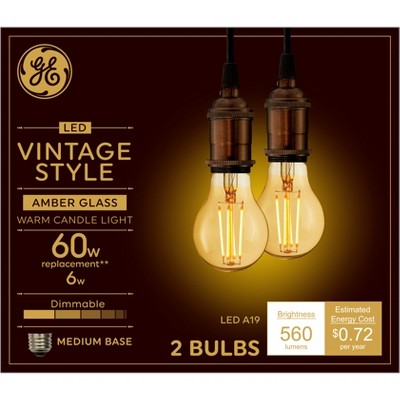
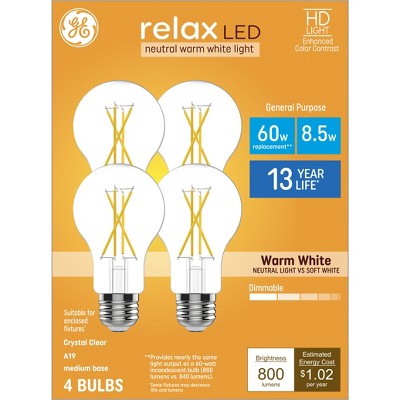
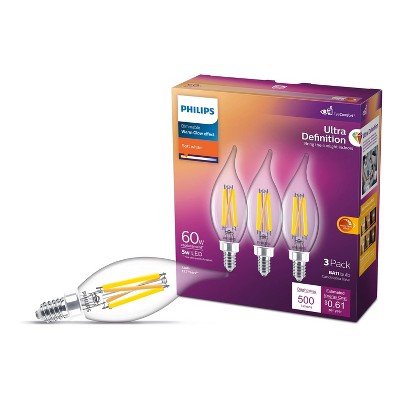
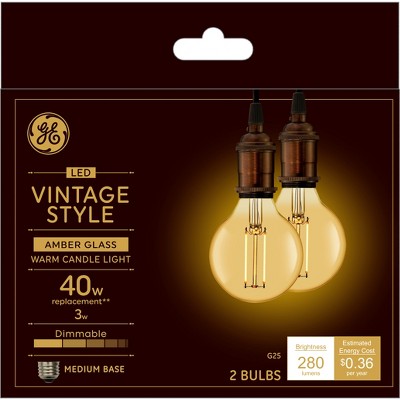
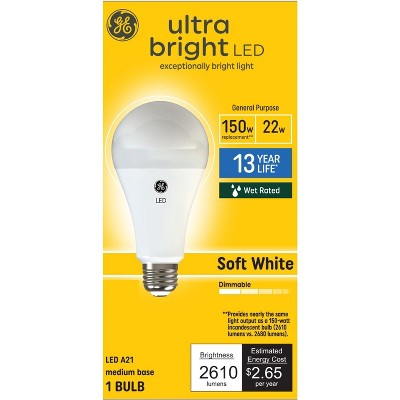
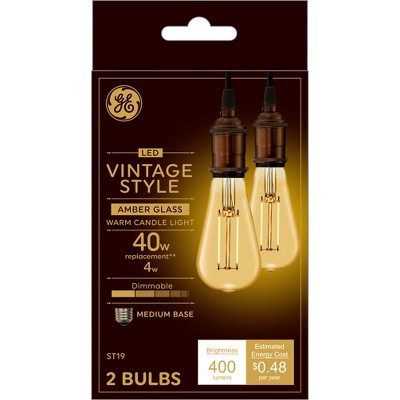
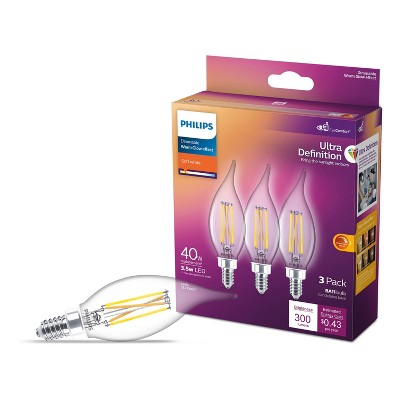
Most energy-saving LED bulbs are sold as replacements for 60–75 watt incandescent bulbs (commonly labeled 60W or 75W equivalents) while consuming about 8–10 watts of actual power.
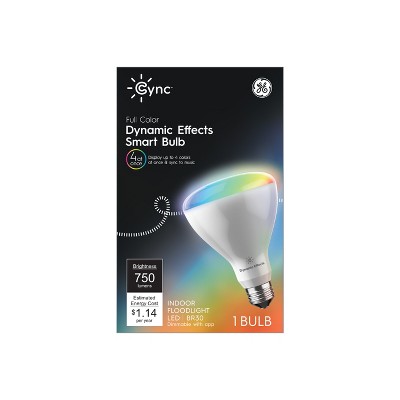
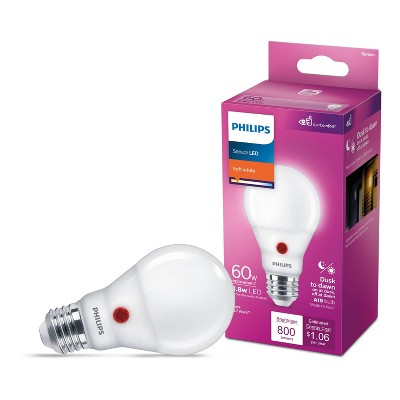
Brightness typically ranges from about 760 to 1,100 lumens. Many common 60W-equivalent A19 LED bulbs are around 800 lumens.
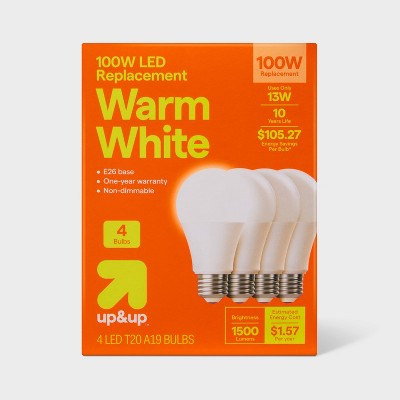
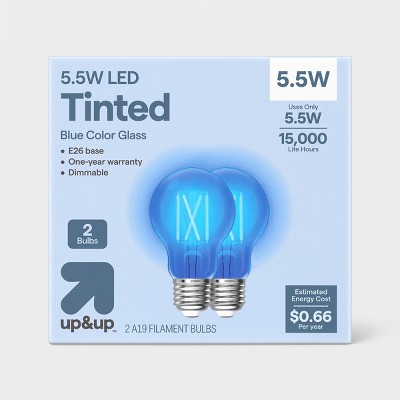
These LEDs commonly use the standard Edison medium screw base (E26) and are offered in A19 shapes; some models are also available in larger A21 forms.
Certain LED bulbs are rated for damp or wet locations and include features such as dusk-to-dawn sensors that automatically turn lights on at dusk and off at dawn to provide hands-off outdoor illumination.
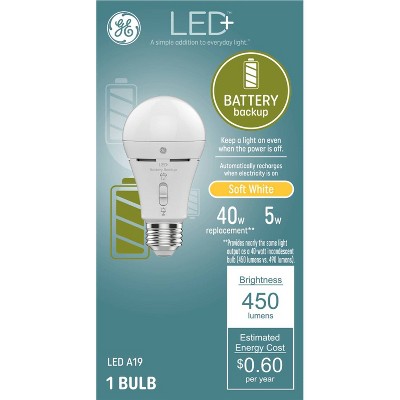
A few bulbs include a built-in rechargeable battery and a flashlight function: they charge in about 10 hours and can provide up to roughly 5 hours of illumination at about 650 lumens when fully charged.
Estimated yearly energy costs are low—around $0.96–$1.14—and some product notes list lifetime energy savings per bulb ranging from about $83 up to over $140, depending on the model and the runtime assumptions used.