Target New ArrivalsHalloweenClothing, Shoes & AccessoriesHome & DecorKitchen & DiningPatio, Lawn & GardenGroceryHousehold EssentialsBabyBeautyTarget Beauty StudioPersonal CareSports & OutdoorsPetsHealthWellnessSchool & Office SuppliesToys & GamesElectronics & TechVideo GamesBooks, Music & MoviesParty SuppliesGift IdeasGift CardsShop by CommunityTarget OpticalDealsClearanceNew ArrivalsBack to SchoolCollegeTop DealsTarget Circle DealsWeekly AdShop Order PickupShop Same Day DeliveryRegistryRedCardTarget CircleFind Stores

feelings board book

1,000+ results for “feelings board book”
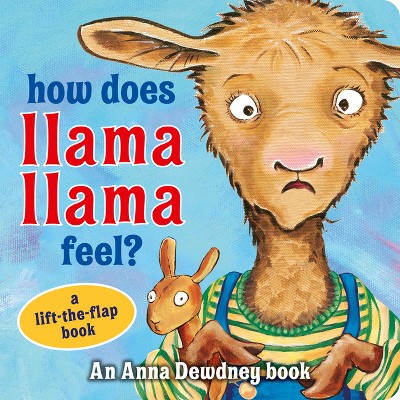
How Does Llama Llama Feel? - by  Anna Dewdney (Board Book)

$12.99
Release date Tue, Jun 15
Ships free -

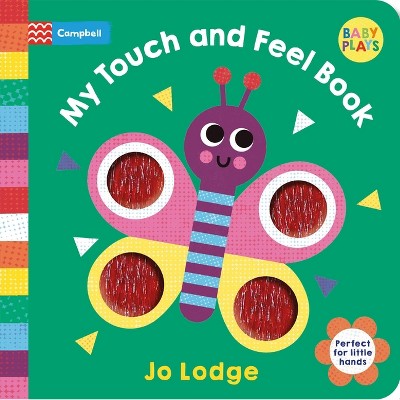
My Touch and Feel Book - (Baby Plays) by  Campbell Books (Board Book)

$9.99
Release date Tue, Aug 3
Ships free -

See, Touch, Feel Dinosaurs - by  Priddy Books (Board Book)

$12.99
Release date Tue, Oct 5
Ships free -

How Do You Feel Today? a High-Contrast Board Book (Winnie the Pooh) - by  Random House Disney

$8.99
Release date Tue, Jun 15
Ships free -
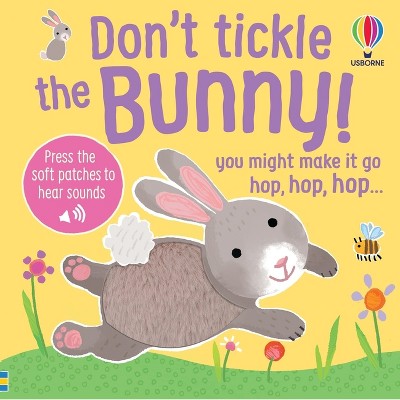
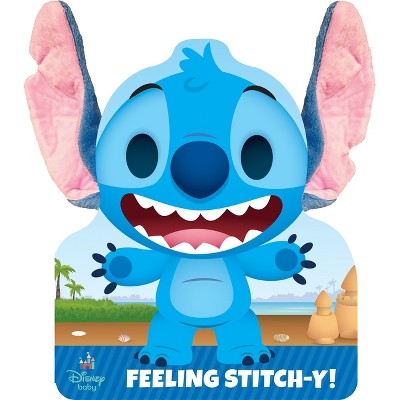
Disney Baby: Feeling Stitch-Y! - by  Pi Kids (Board Book)

$9.99
Release date Tue, Oct 20
Ships free -
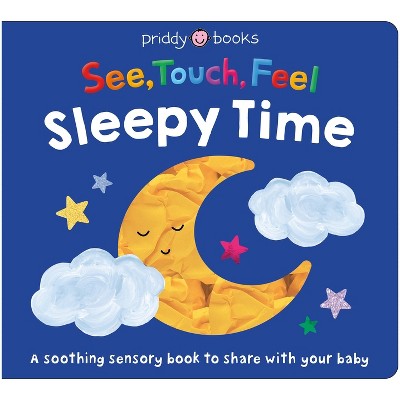
See, Touch, Feel: Sleepy Time - by  Priddy Books (Board Book)

$12.99
Release date Tue, Oct 13
Ships free -
Sponsored

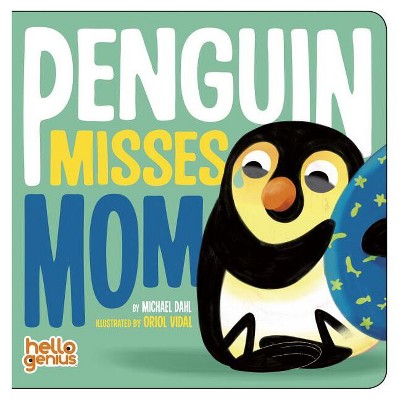
Penguin Misses Mom - (Hello Genius) by  Michael Dahl (Board Book)

Sponsored

Powered by AI
Guests also ask:

These board books target ages 0–8 years. Many are aimed at infants and toddlers (about 0–3 or 1–4 years), while some are designed for preschool and early elementary children (roughly 4–8 years).

Page counts typically range from 10 to 36 pages. Common counts in this set include 10, 24, 28, 32, and 36 pages.

They cover general emotions and social-emotional topics such as love and attachment, managing anger or frustration, communicating feelings, and transitions (for example, giving up a pacifier).

Sizes vary, generally about 5.0–7.2 inches tall, 5.7–7.12 inches wide, and 0.5–0.9 inches deep. Weights in this set run roughly from 0.52 to 0.85 pounds.

Common styles include rhyme, repetition, and rhythmic or playful text, usually paired with bright, engaging illustrations to make emotional concepts accessible for young children.

Skip to next section

Get top deals, latest trends, and more.