Target New ArrivalsBack to SchoolCollegeClothing, Shoes & AccessoriesHome & DecorKitchen & DiningOutdoor Living & GardenGroceryHousehold EssentialsBabyBeautyPersonal CareSports & OutdoorsHealthWellnessSchool & Office SuppliesToys & GamesElectronics & TechVideo GamesMovies, Music & BooksParty SuppliesGift IdeasGift CardsPetsUlta Beauty at TargetShop by CommunityTarget OpticalDealsClearanceNew ArrivalsBack to SchoolCollegeTop DealsTarget Circle DealsWeekly AdShop Order PickupShop Same Day DeliveryRegistryRedCardTarget CircleFind Stores

fold down ironing board

102 results for “fold down ironing board”
Powered by AI

Guests also ask:

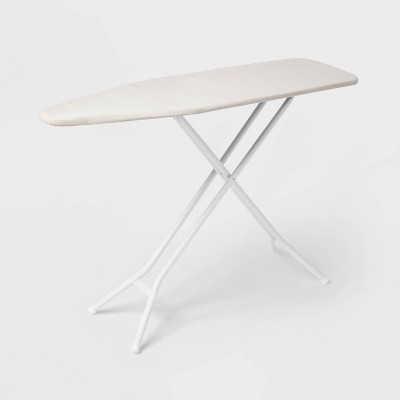
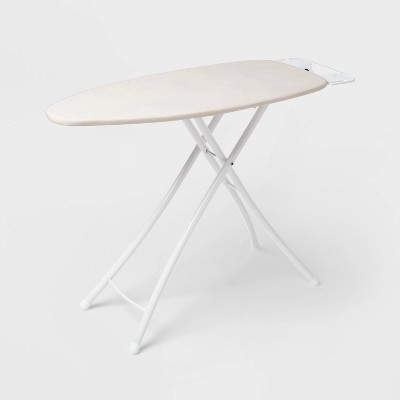
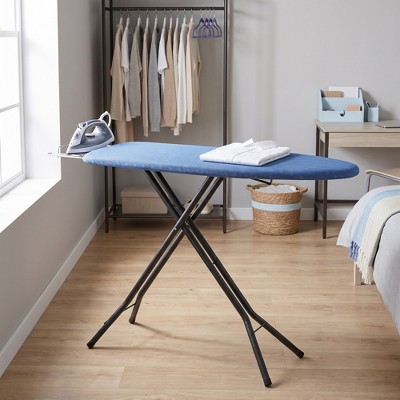
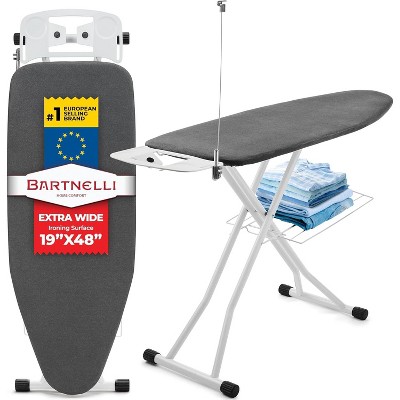
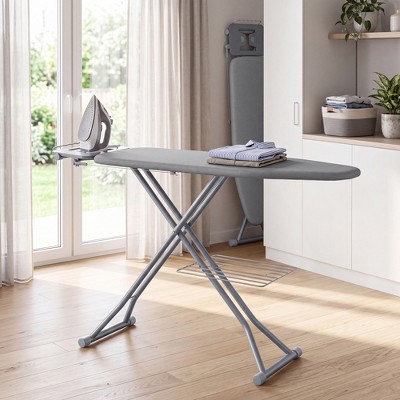
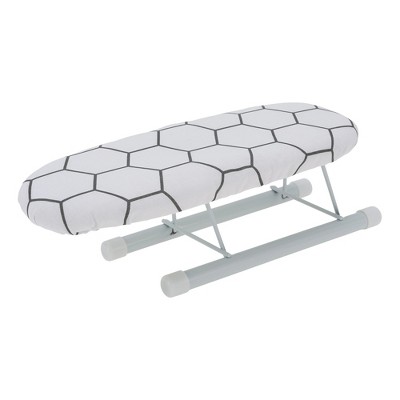
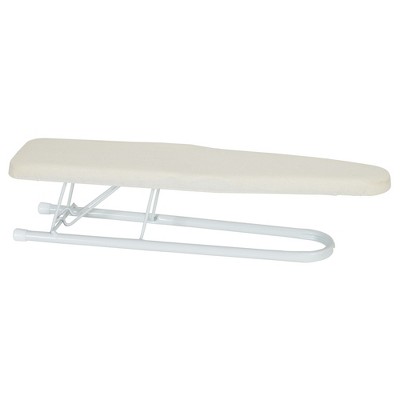
Fold-down ironing boards vary from small tabletop models to full/mega boards. In the data provided, lengths run roughly from about 30 inches (small tabletop) up to about 59 inches (full/mega). Widths typically fall between about 12 inches and 18.75 inches, with different styles offering different combinations of overall board length and ironing-surface length.

Most fold-down boards use metal or steel frames with a perforated or mesh metal top to allow steam through. Covers are typically layered—cotton outer layers with padding such as sponge, fiber, or needle-punched padding. Some models also include a silver reflective coating on the surface to improve heat efficiency.

Reported weights in the data range from about 8 pounds up to about 19.35 pounds. Lighter models are described as easy to carry or handle, while larger/full-size boards are heavier and less portable.

Listings report different capacity figures for frame/support, the ironing surface, and iron rests. Examples from the data include frame support values up to about 66 lb, ironing-surface or total static capacities in the ~44–53 lb range, and iron-rest capacities reported between roughly 6.6 lb and 22 lb depending on the model.

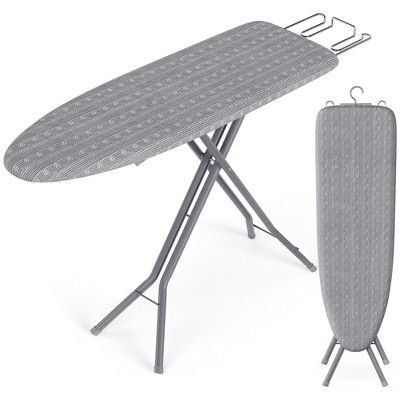
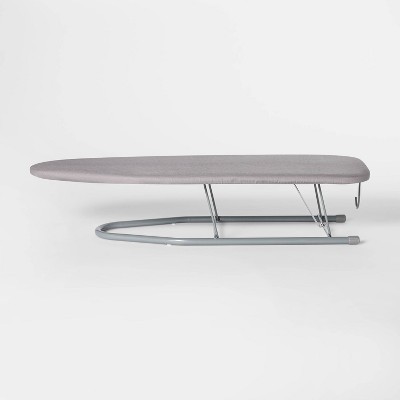
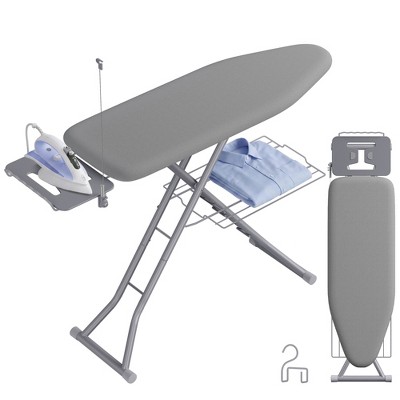
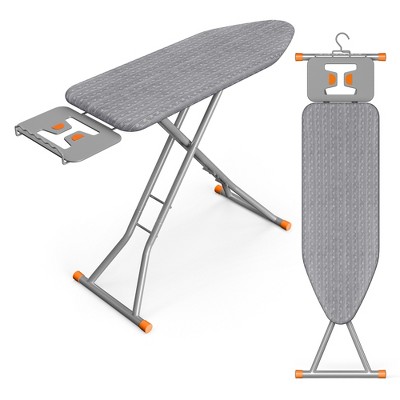
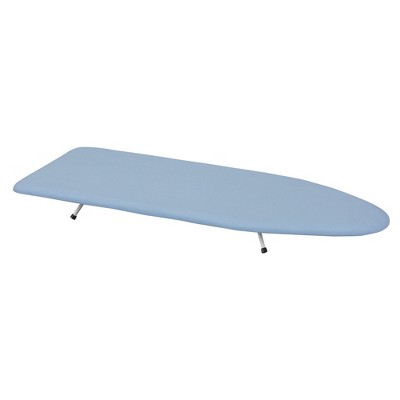
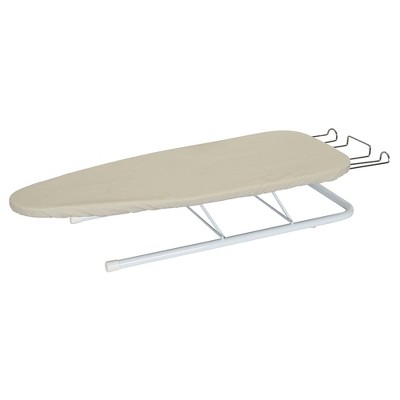
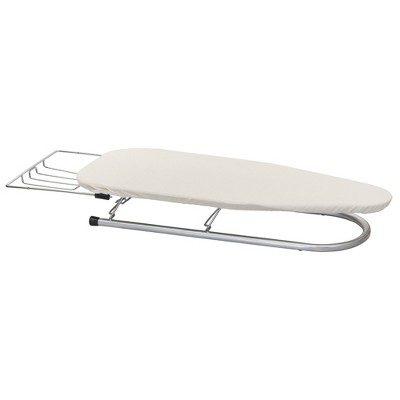
Common space-saving styles include over-the-door boards, tabletop/countertop boards, and foldable boards with X-legs or hanging hooks/loops for vertical storage. These styles prioritize compact storage and suitability for small spaces.

Leg styles include X-legs, T-legs, and four‑leg supports. Stability features reported in the data include reinforced or steel construction, non-slip foot pads or skid-resistant caps, and locking or leg-lock mechanisms to secure the setup.

To handle steam and heat, boards commonly use metal mesh or perforated steel tops plus multi-layer covers (cotton outer layers with sponge or fiber padding) that let steam pass and dissipate heat. Some models list heat-dissipating panels or reflective/silver coatings—one listing specifically notes a silver coating that “resists up to 536°F”—and others call out heat-resistant cotton or fiber padding.

Get top deals, latest trends, and more.