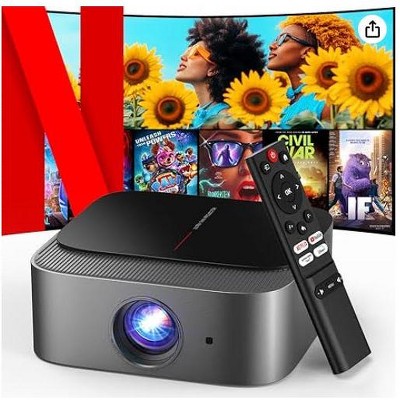
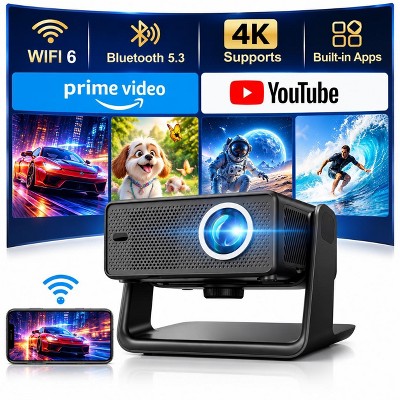
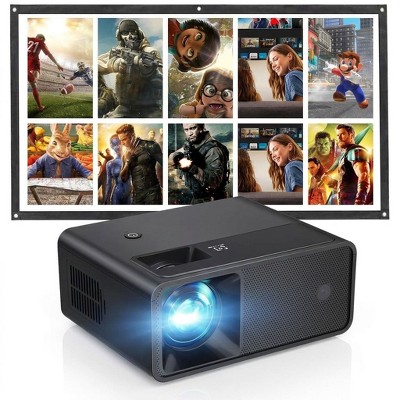
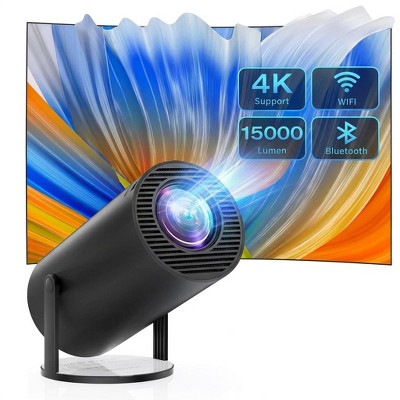
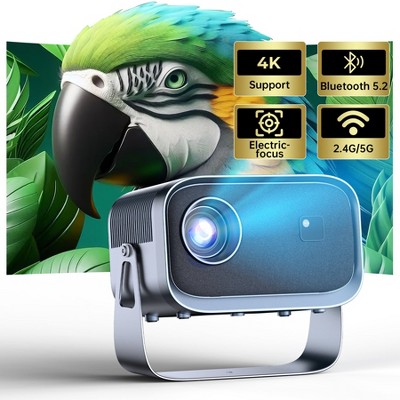
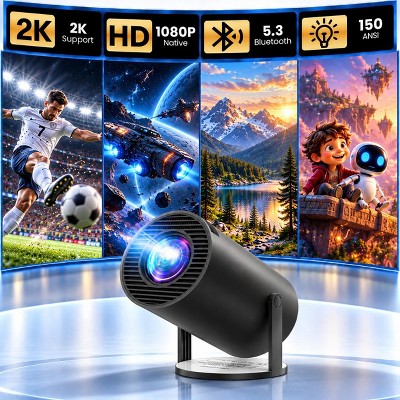
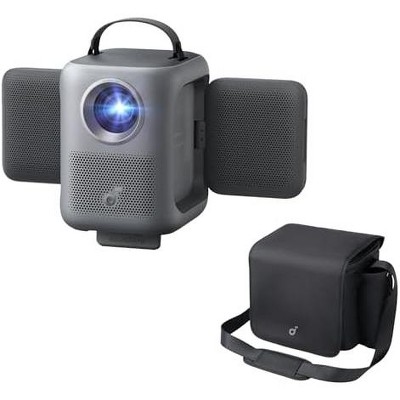
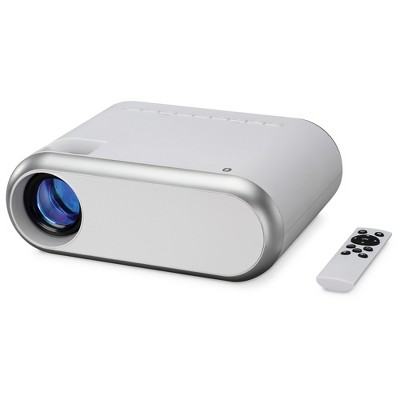
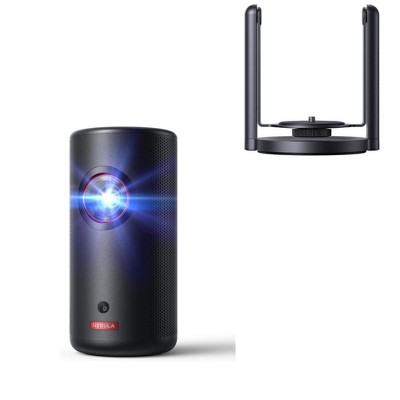
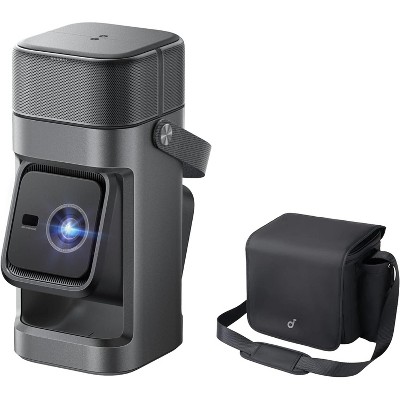
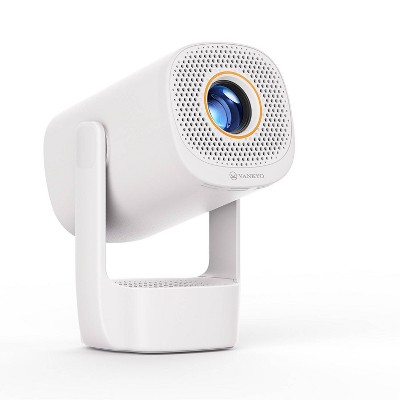
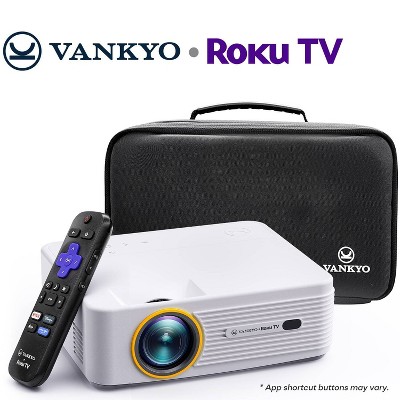
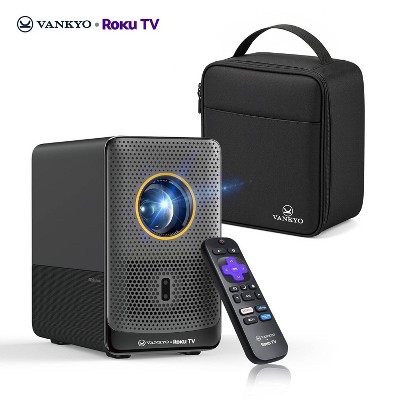
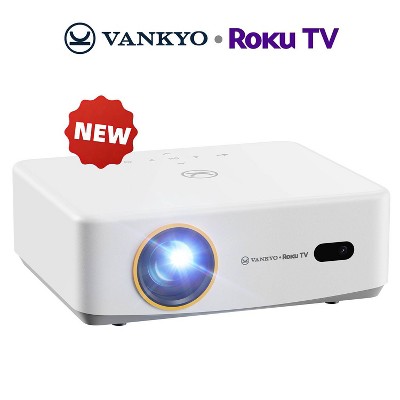
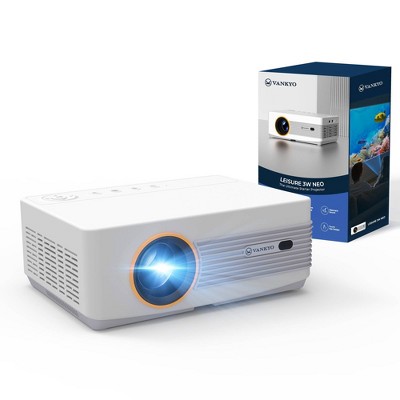
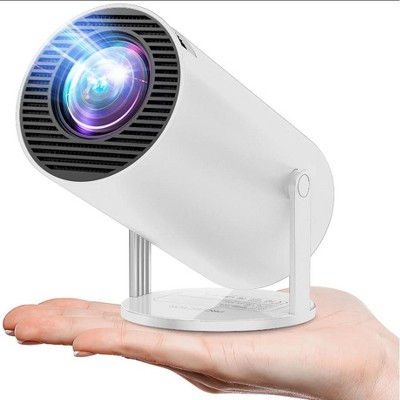
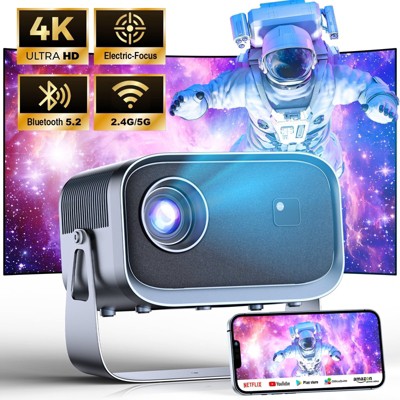
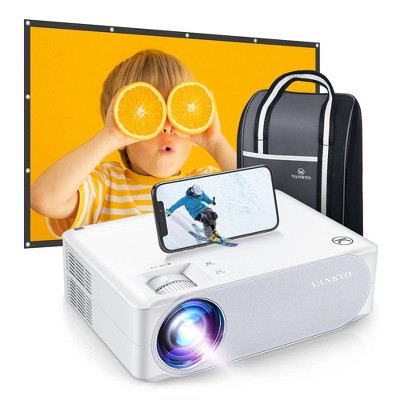
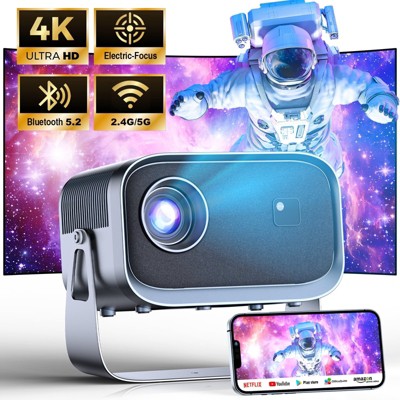
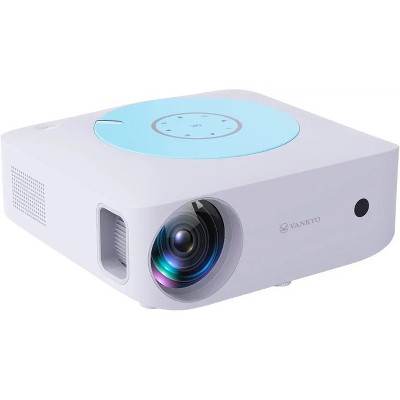
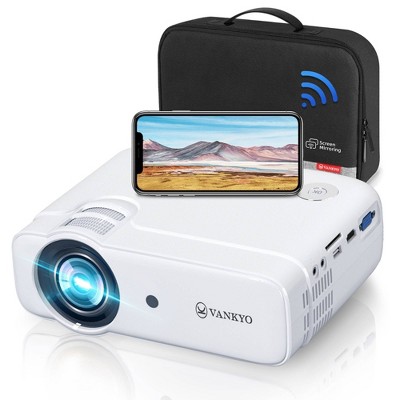
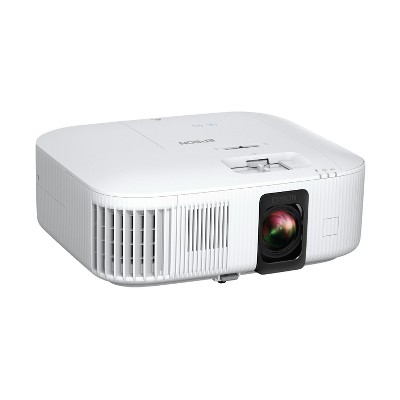
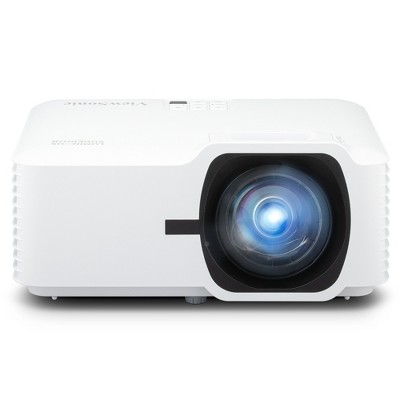
Many models include automatic or adjustable keystone correction and offer autofocus or electric/manual adjustable focus, so users can correct trapezoid distortion and achieve clear focus without extensive manual positioning.
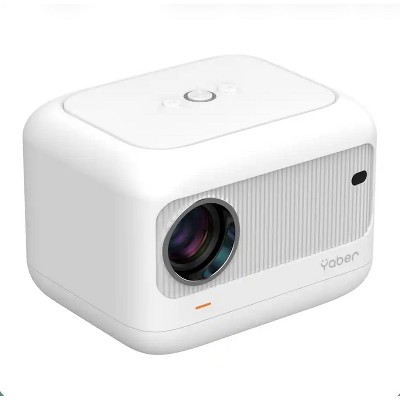
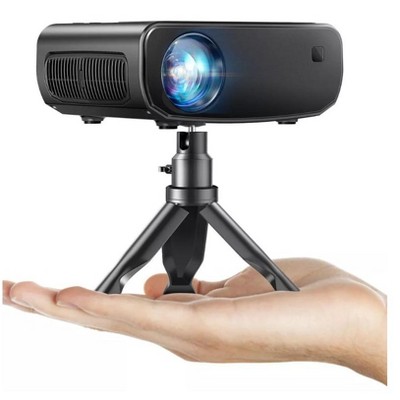
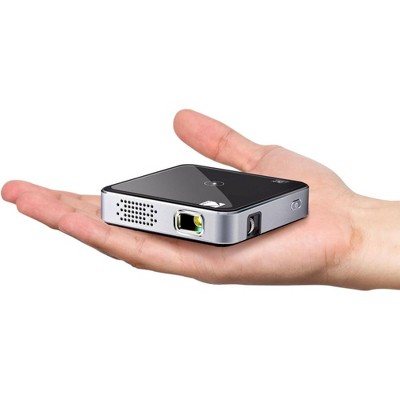
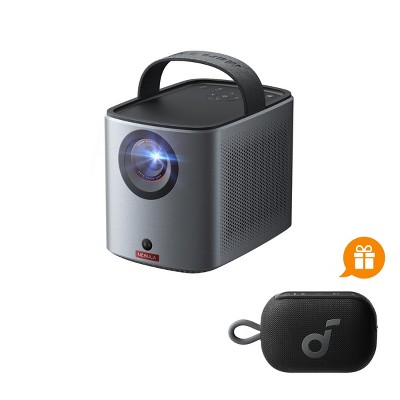
Portability varies: some listings are described as portable or pocket-sized, while others are standard units. Power options in the listings include models that require external power (no battery), models with built-in rechargeable batteries, and models that support external power banks. Check each listing for IP/weather ratings and battery capacity if you need outdoor use.
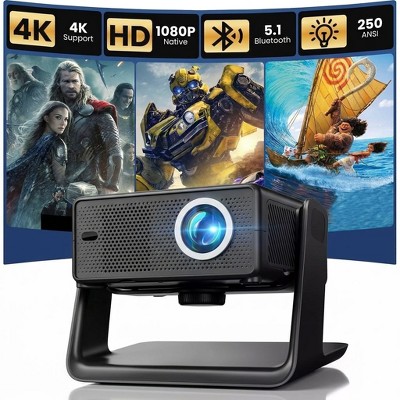
Many listings show native/full HD (1920 × 1080) resolution. Several entries explicitly state support for 4K input or 4K playback; check each product listing to see whether 4K is native or supported only as an input/scaled signal.
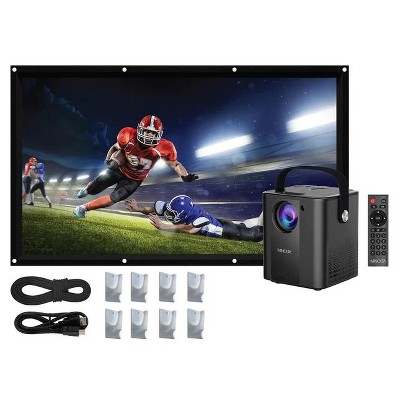
Typical screen sizes in the listings are about 40–120 inches, with some models advertising larger maximum displays (examples include listings up to 150 inches and even 300 inches). Reported recommended or minimum/maximum throw distances vary widely—from compact models listing roughly 1.64–11.48 feet up to other models that specify much longer distances (examples include listings up to 30 or 100 feet). Verify the throw distance and screen-size chart on each product page for precise placement guidance.
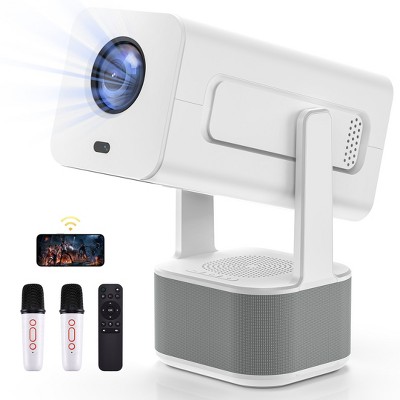
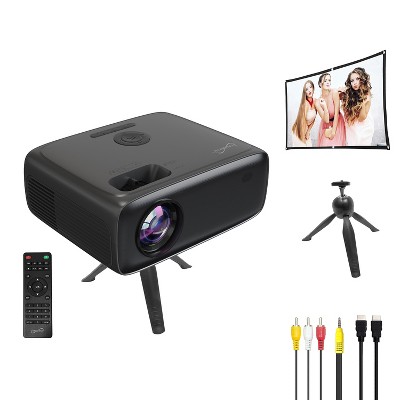
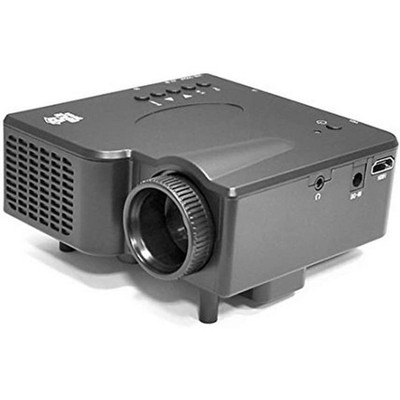
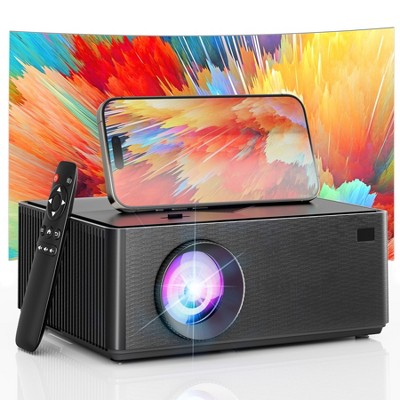
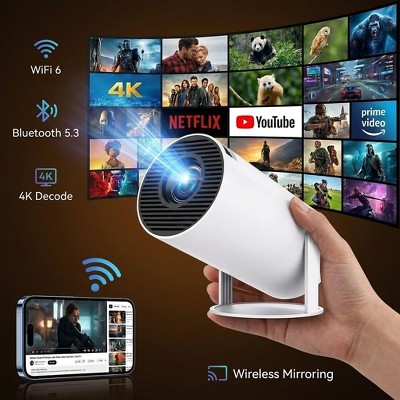
Common connections include HDMI (some models use full-size or micro-HDMI), USB, and 3.5 mm audio jacks. Several listings also mention wireless features such as Wi‑Fi screen mirroring and Bluetooth for audio or wireless streaming.
Reported lamp/light‑source lifetimes vary across the listings: examples include hour figures such as 20,000, 30,000, and 50,000 hours and occasional entries shown as a duration (for example, “2 Years”). A few listings do not specify bulb life, so check each product page for the exact lifetime and any warranty details.