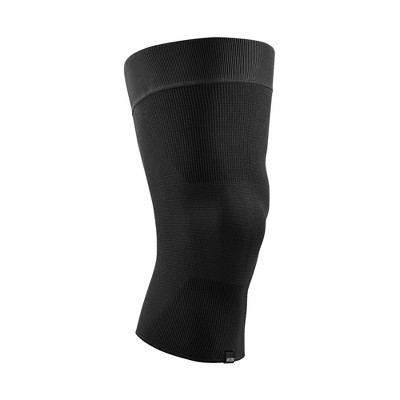
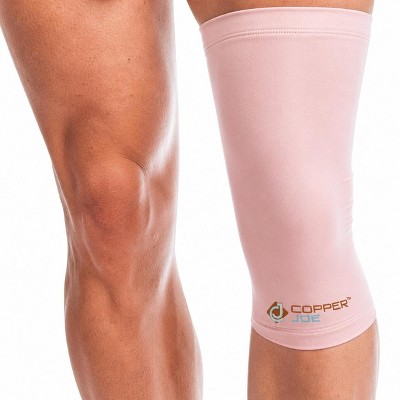
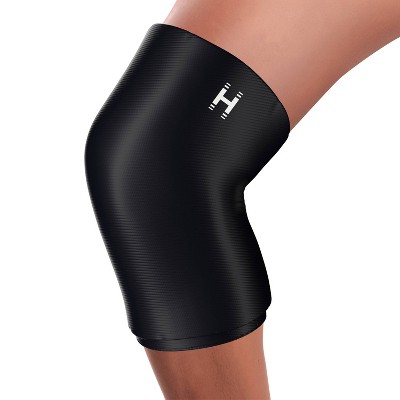
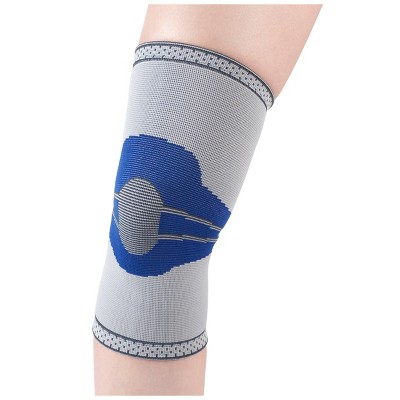
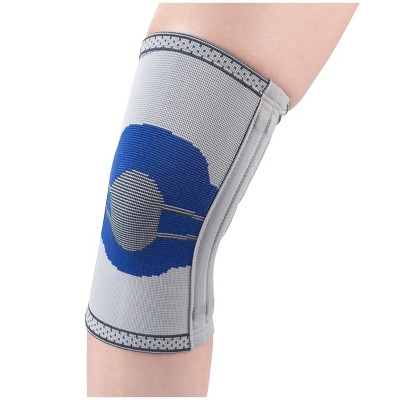
They provide moderate graduated compression, described as 15–20 mmHg.
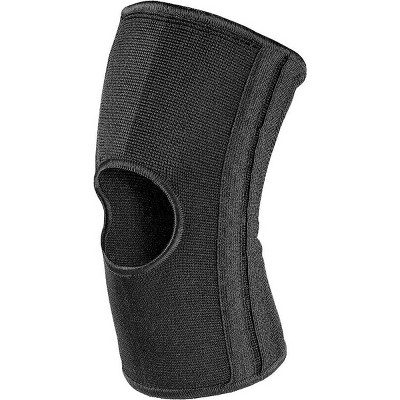
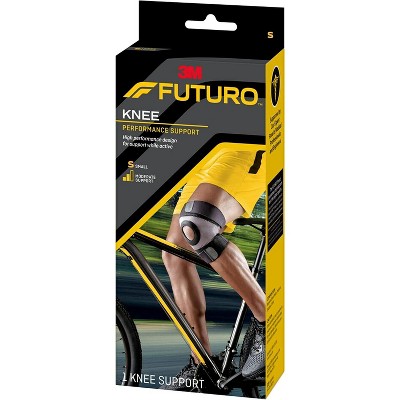
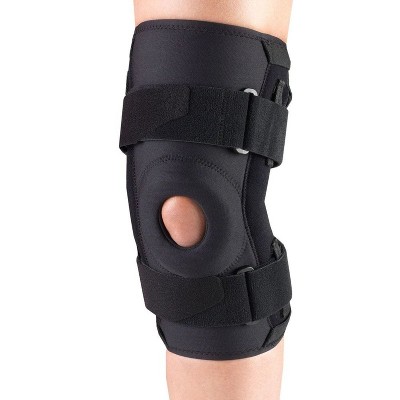
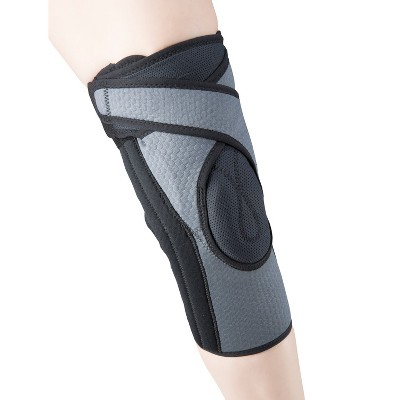
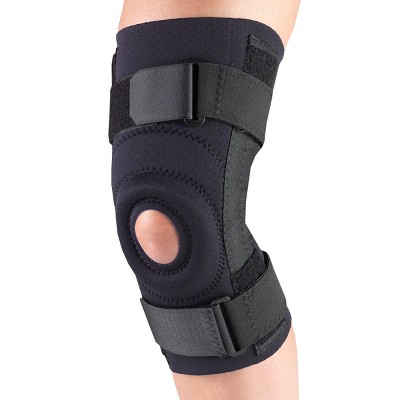
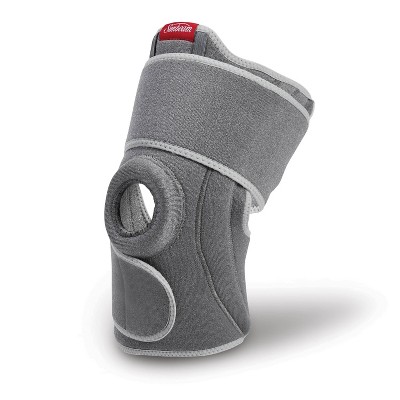
Design features include open-patella constructions and reinforced patella rings, plus side stabilizers or patella-support rings that help alignment and improve patellar tracking.
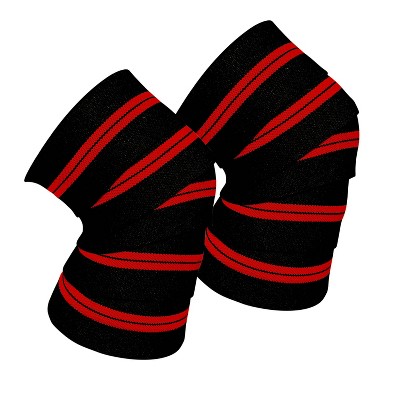
Size ranges vary by product: compression stockings are offered from Small up through 3X‑Large, while wraps and braces use measurement ranges (examples listed include OSFM: 12"–16" and XL: 16"–22"). Check each product’s sizing chart for exact measurements.
Age guidance varies by product: many list intended users as 18 years and older, some list suitability starting at about 10 years, and at least one listing notes "Newborn and up." Always verify the specific product’s age recommendation before purchase.
Materials commonly seen are nylon (and nylon‑spandex blends), neoprene or neoprene blends, polyester, cotton, rubber, and some sleeves use carbonized bamboo fabric.
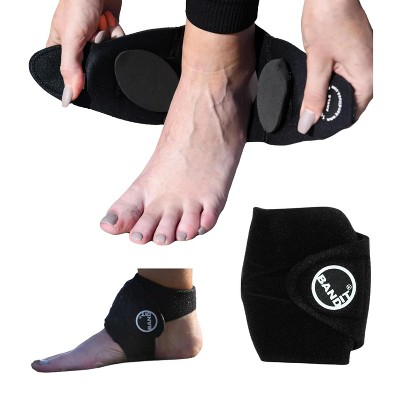
Options include lace‑up closures, wraparound designs with adjustable closures or multi‑way tension systems, adjustable strap closures (two‑strap or multi‑strap designs), and sleeve features like injected silicone banding or anti‑migration technology to help hold the fit.
Many supports feature breathable panels and moisture‑controlling or wicking fabrics. Some use carbonized bamboo or odor‑resistant materials for improved airflow and temperature regulation, and certain neoprene blends are described as ultra‑breathable and moisture‑wicking.
They’re promoted for sports and athletics (basketball, running, soccer, tennis, volleyball), exercise and training, everyday activities like work and travel, and some wraps are noted for water or aquatic activities.
Product descriptions list uses such as tendonitis and patellar tendonitis, meniscus injuries and mild sprains, muscle strain and overuse injuries, mild joint instability, runner’s knee and patellar tracking issues, mild osteoarthritis, swelling, varicose veins, and general leg fatigue or edema.