Target New ArrivalsBack to SchoolCollegeClothing, Shoes & AccessoriesHome & DecorKitchen & DiningOutdoor Living & GardenGroceryHousehold EssentialsBabyBeautyPersonal CareSports & OutdoorsHealthWellnessSchool & Office SuppliesToys & GamesElectronics & TechVideo GamesMovies, Music & BooksParty SuppliesGift IdeasGift CardsPetsUlta Beauty at TargetShop by CommunityTarget OpticalDealsClearanceNew ArrivalsBack to SchoolCollegeTop DealsTarget Circle DealsWeekly AdShop Order PickupShop Same Day DeliveryRegistryRedCardTarget CircleFind Stores

light therapy anxiety

1,000+ results for “light therapy anxiety”
Sponsored
Nature's Virus Killers - by Mark Stengler

Be Calm - by  Jill Weber (Paperback)

Well Being - by Valentina Gaylord

$16.97 - $17.82
MSRP $24.99 - $25.99

Sponsored

Powered by AI

Guests also ask:

Bright light lamps are described by illuminance in lux (commonly up to 10,000 lux). Red and near‑infrared devices report irradiance in mW/cm² (examples include mask irradiance values and panel outputs up to about 90 mW/cm² measured at 10 cm). Use lux for general bright‑light therapy and irradiance (mW/cm²) to compare red/NIR power.

Some light therapy lamps are designed to be portable: they offer rechargeable lithium‑ion batteries, detachable stands, and cordless operation for mobility. Product examples note cordless run times (for example, up to about 2 hours) and USB or internal rechargeable battery options for use away from a power outlet.

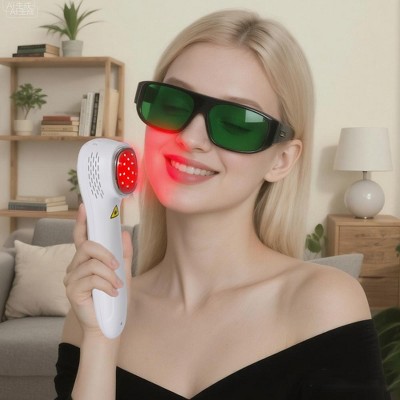
Common safety features include protective eyewear or explicit eye‑safety warnings and instructions. Session controls typically include built‑in timers or countdown displays to set and limit session length, adjustable brightness or intensity settings, and mode controls (steady vs pulsing) to manage treatment exposure.

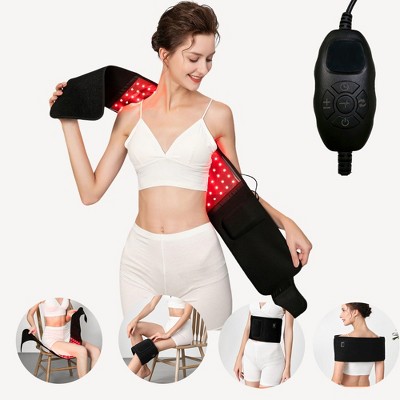
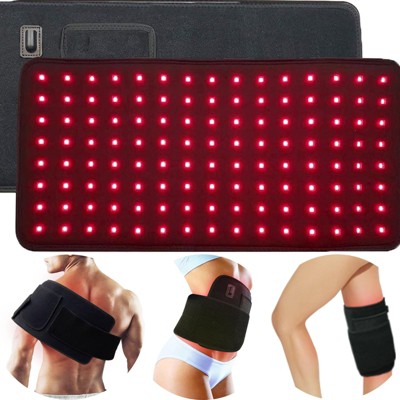
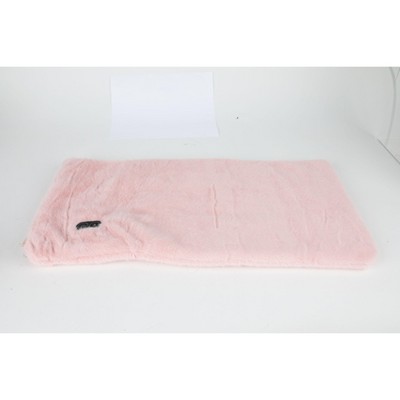
Full‑body wraps are described as surrounding the body to provide uniform red and near‑infrared exposure across larger areas. Many designs include built‑in controls—such as independent or dual controllers—so users can set time and intensity separately for different panels or for multiple users.

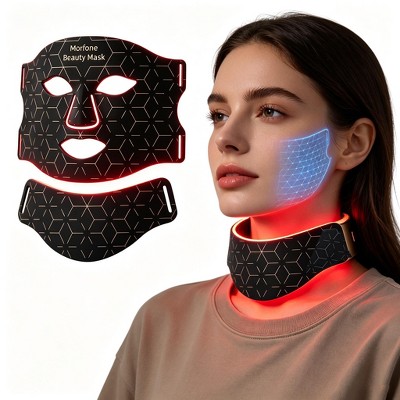
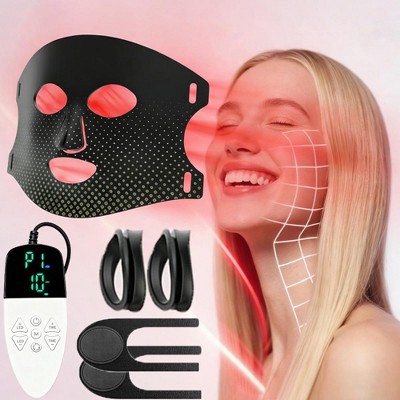
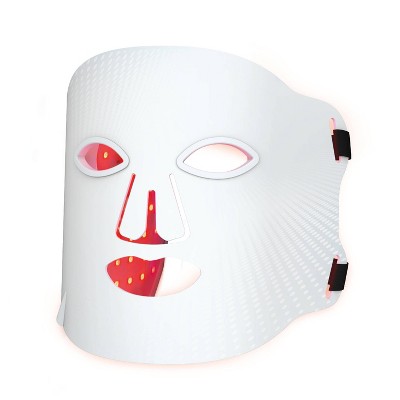
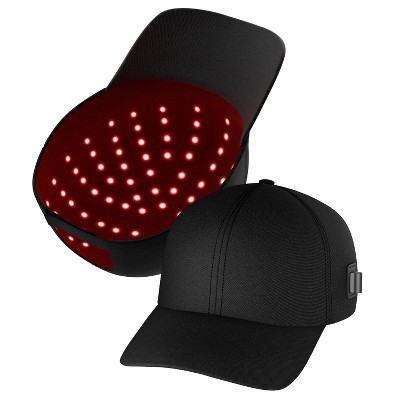
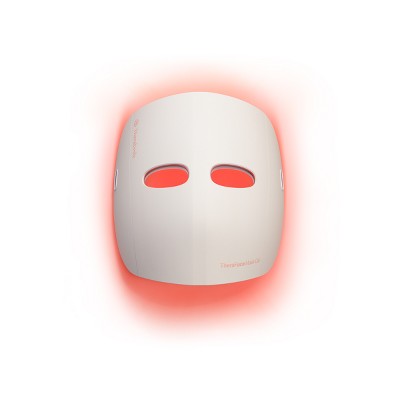
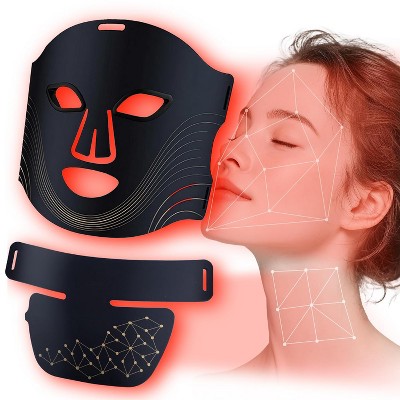
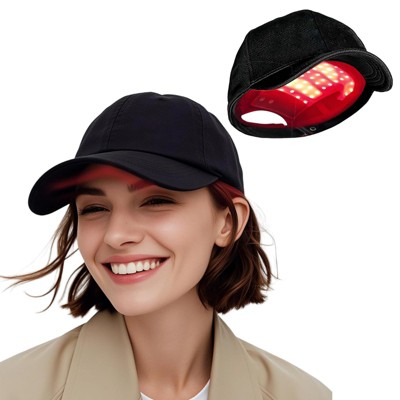
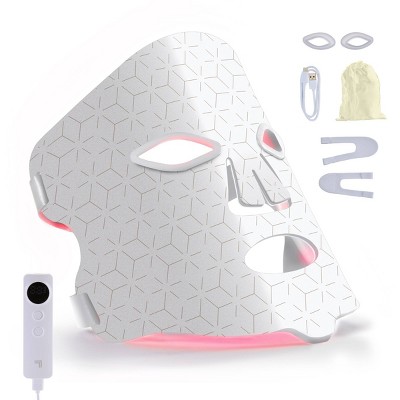
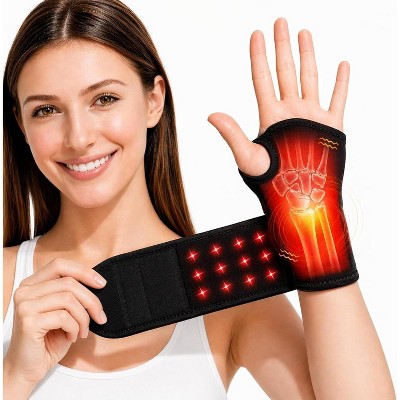
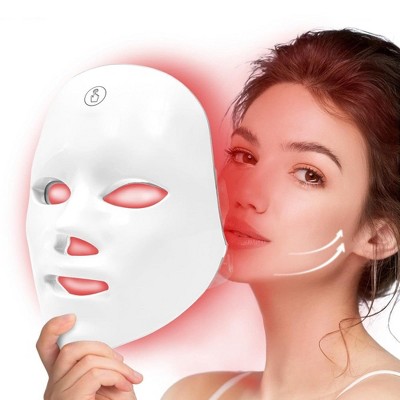
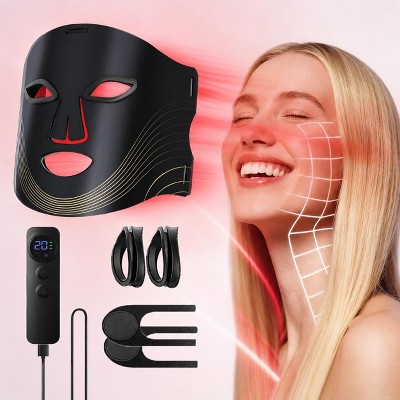
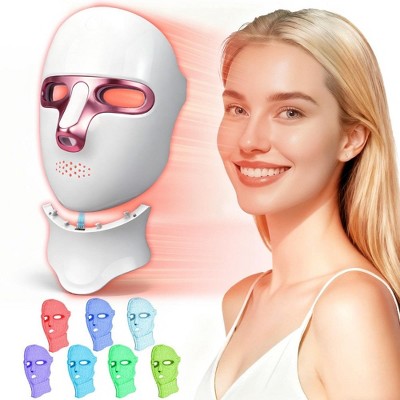
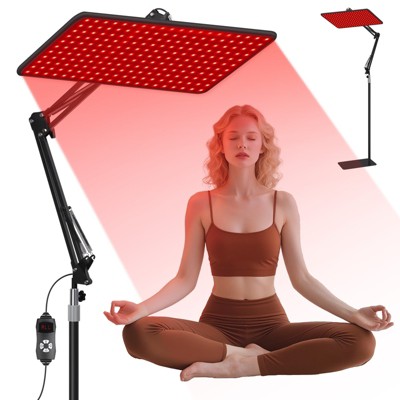
Home options mentioned include bright light lamps (for full‑spectrum bright light), red/near‑infrared panels, wearable face masks, and full‑body wraps or bags designed for at‑home sessions.

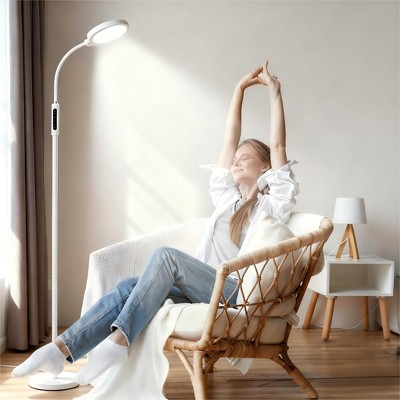
Bright light lamps deliver high‑intensity, UV‑free full‑spectrum light (commonly up to 10,000 lux). They are described as helping to improve sleep, boost mood and energy, increase focus, and counter seasonal blues or sunlight deprivation.

Some device guidance suggests using red/near‑infrared devices about 3–7 times per week, with individual sessions commonly set for roughly 10–30 minutes. Many devices include built‑in timers to help manage session length.

Devices commonly include timers or countdown timers (examples show session ranges like 5–30 minutes and programmable countdowns up to about 1 hour), multiple brightness levels (typically 4–5 settings), and mode controls such as steady vs pulsing or color/temperature options. Some models also offer adjustable/rotatable bases for positioning and rechargeable or portable operation.

Get top deals, latest trends, and more.