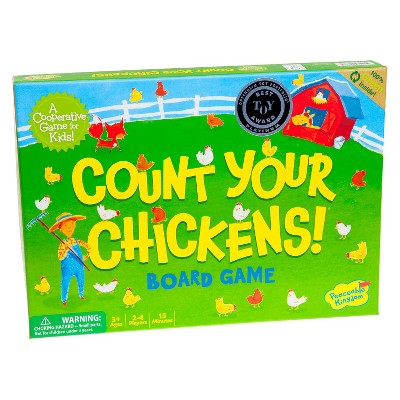
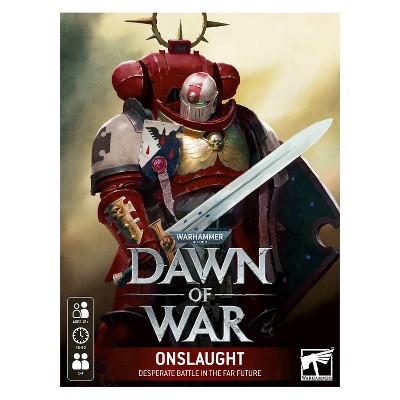
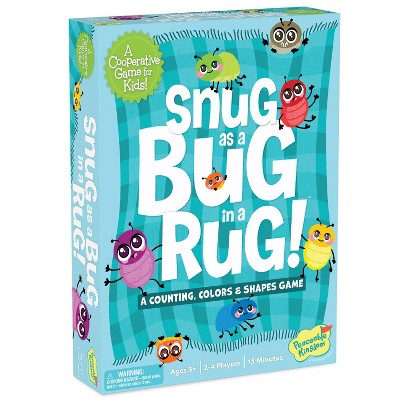
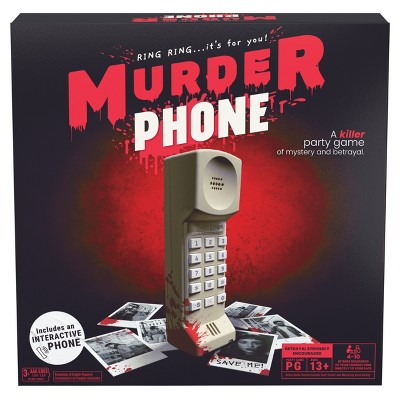
Typical playtimes vary: many nostalgia family games run about 10–30 minutes, quicker titles play in 5–15 minutes, and a smaller number last 30–60 minutes or longer.
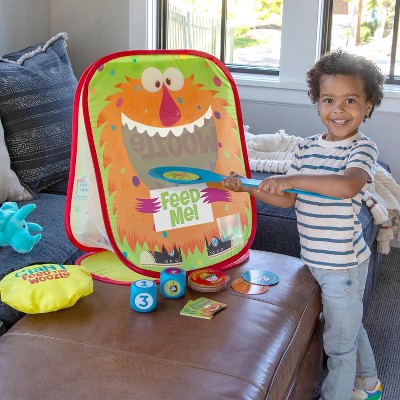
Nostalgic family games commonly promote fine motor skills, social skills (like turn-taking and cooperation), recognition of shapes and colors, basic math concepts, and creative thinking.
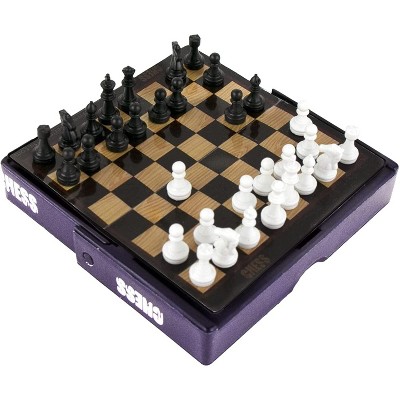
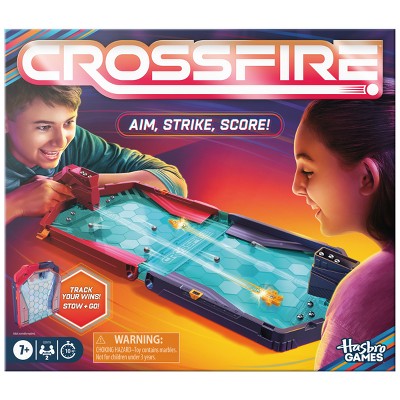
Portability varies: some tabletop arcade-style nostalgia sets are designed to fold or include portable cases for travel, while others are standard boxed games intended primarily for home use.
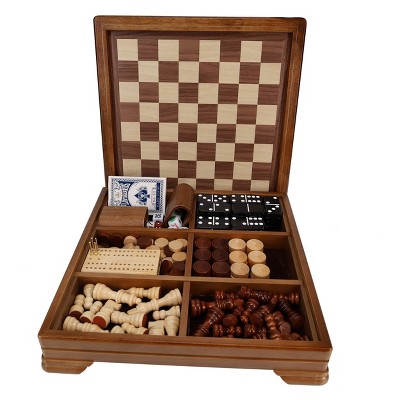
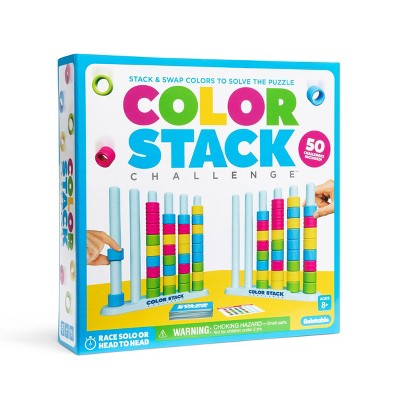
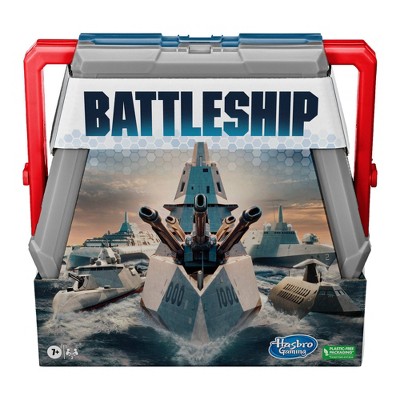
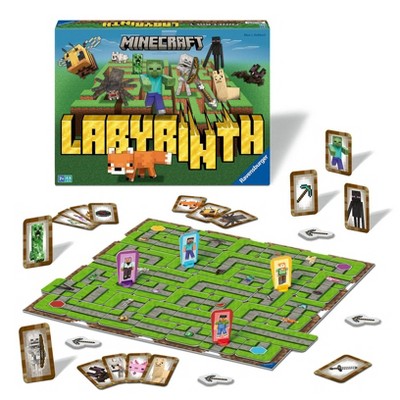
Piece counts vary widely—from small single-digit accessory sets to dozens of parts. Examples in the category include sets with 5 balls, 10 plastic ships, 24 sea creatures, 54 wooden blocks, or larger peg- and multi-part contraptions.
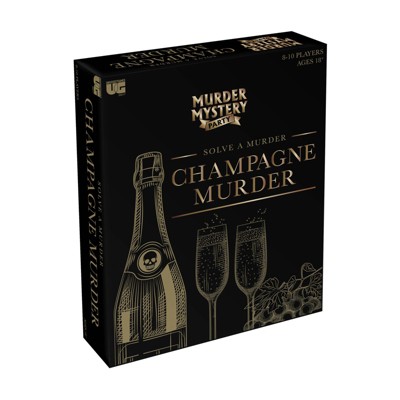
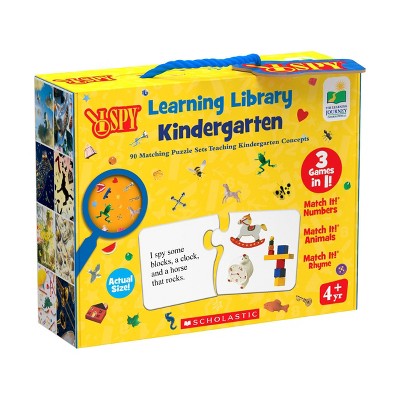
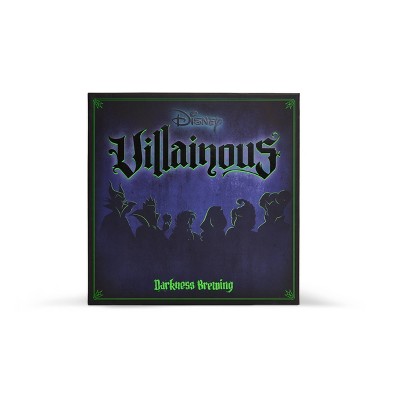
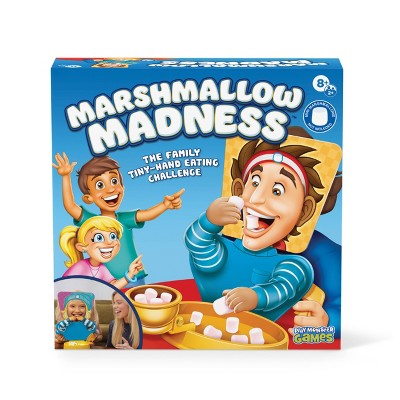
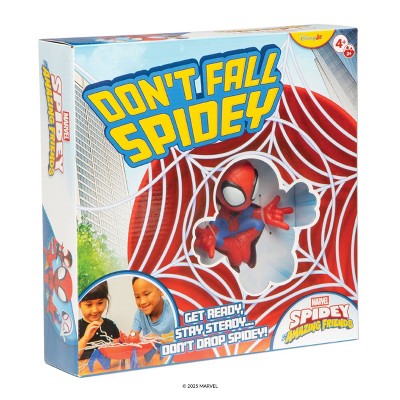
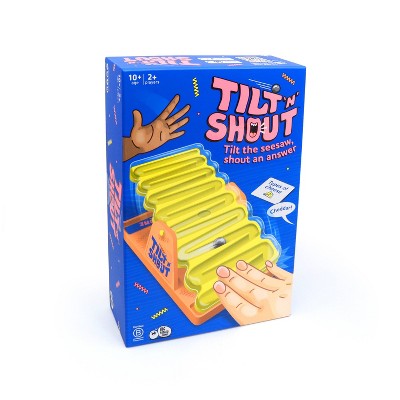
Most nostalgia board games target early-childhood and elementary ages; common age labels include '4 years and up', '5 years and up', '6 years and up', '7 years and up', and '8 years and up'.
Player counts vary: listings commonly show solo or '1 or more' options, 2-player games, 2–4 players, and small-group ranges such as 1–6 players.
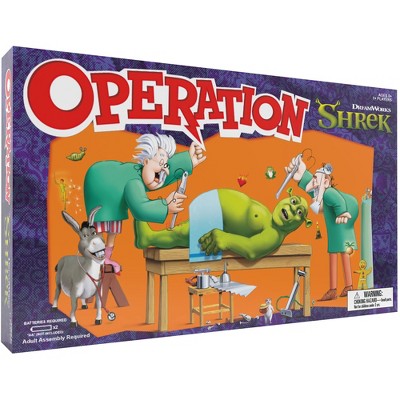
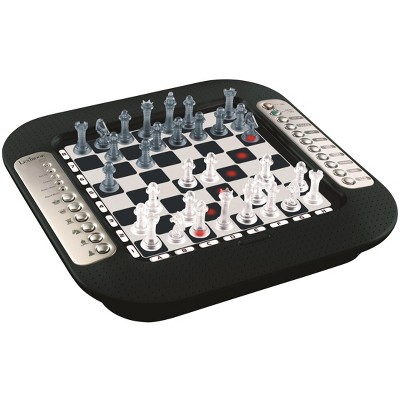
Many listings state 'No Battery Used', but some titles require batteries—for example, one entry lists 'Battery: 2 AAA alkaline, required, not included'.