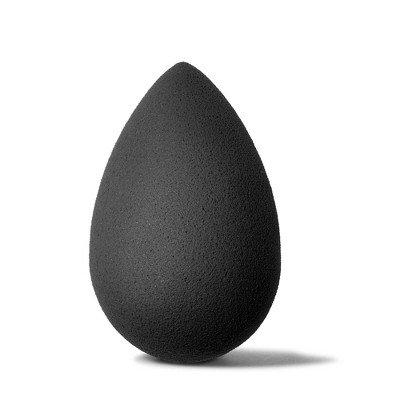
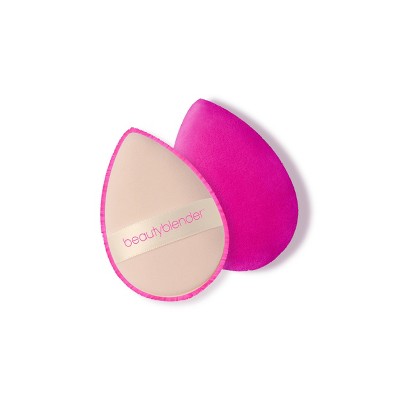
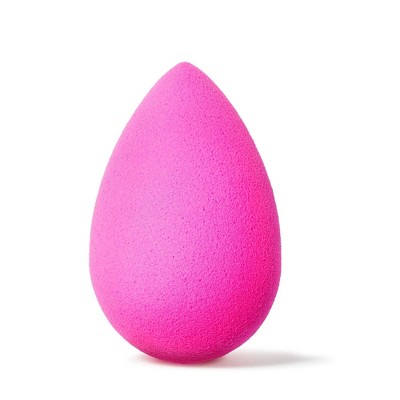
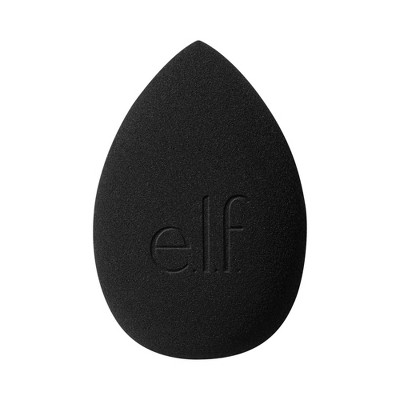
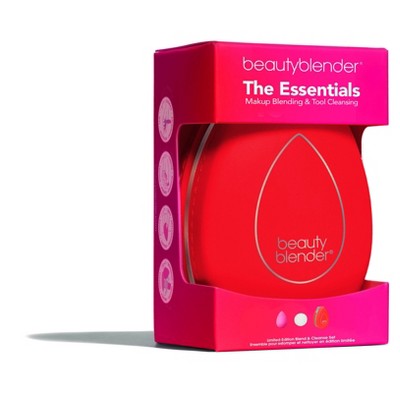
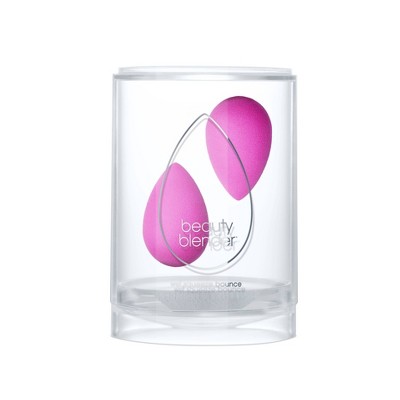
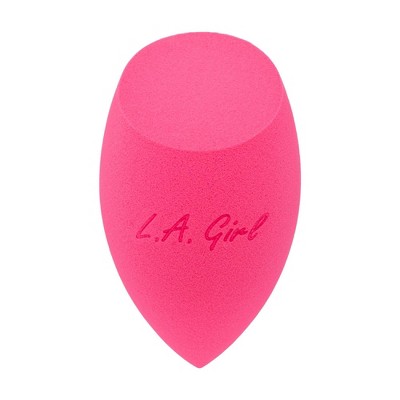
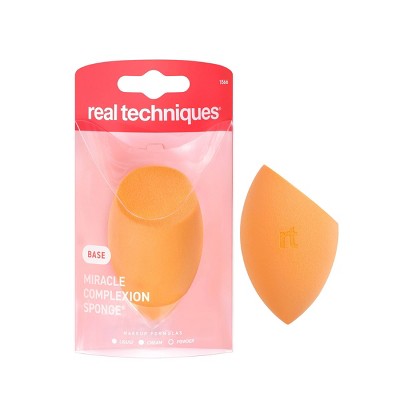
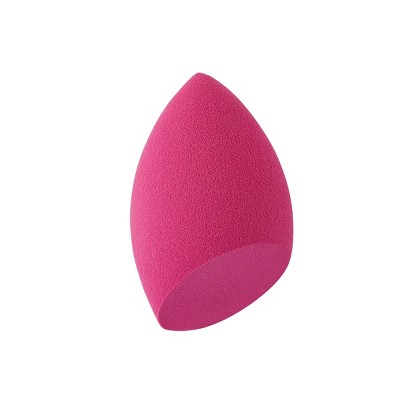
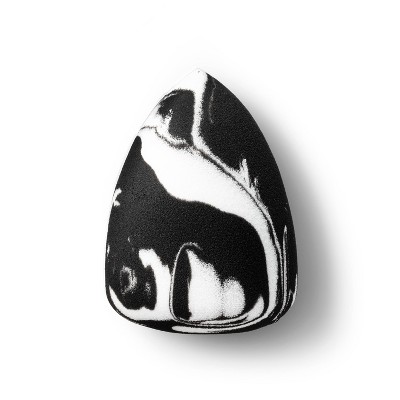
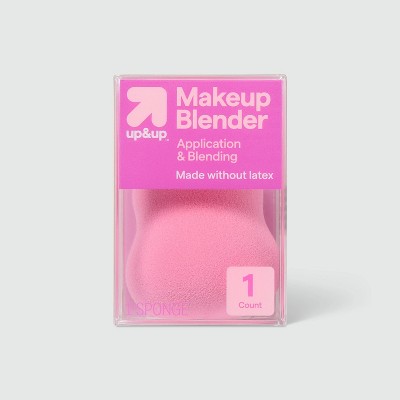
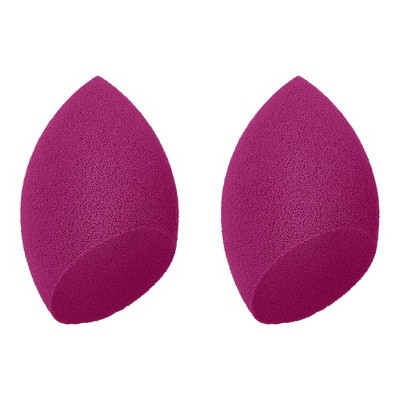
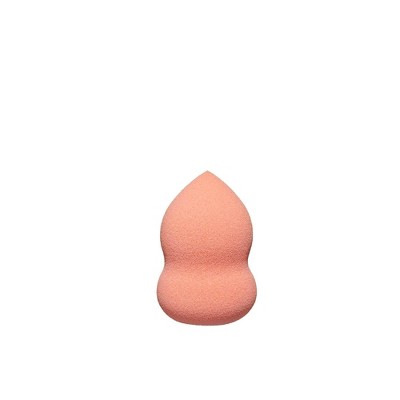
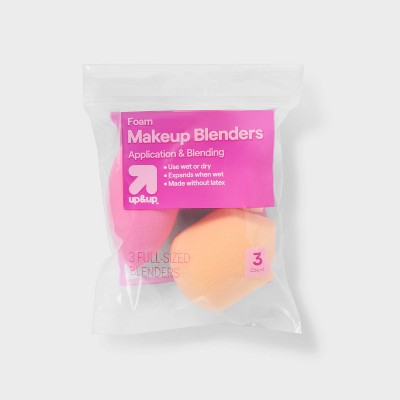
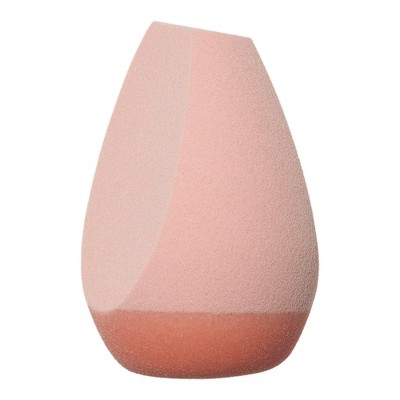
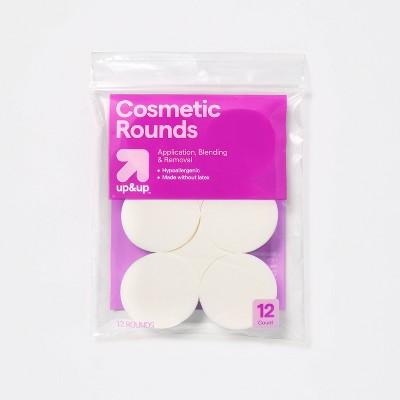
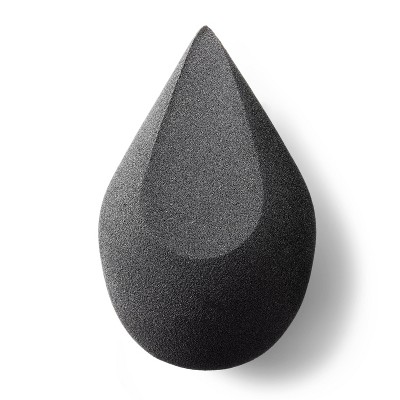
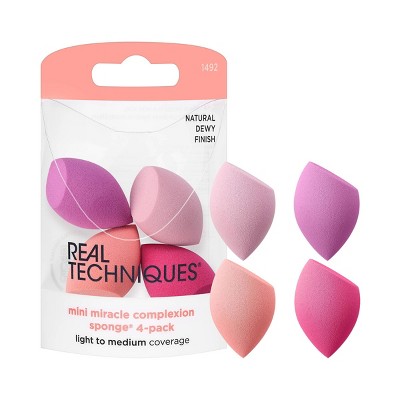
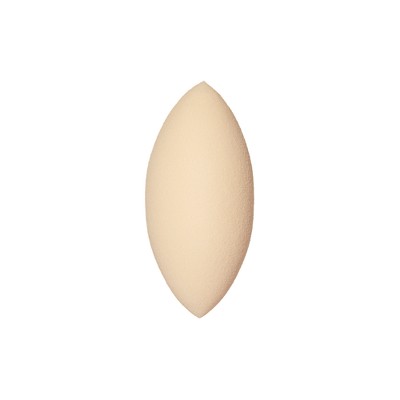
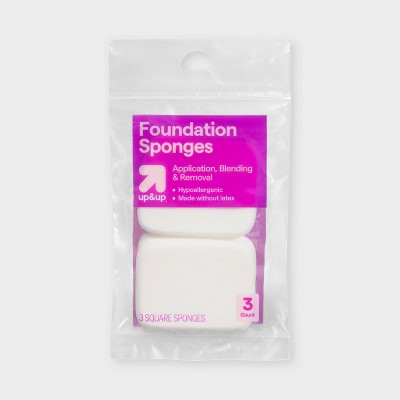
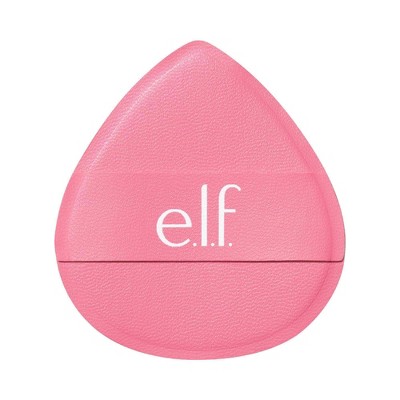
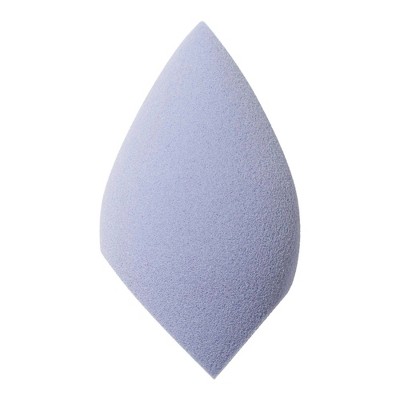
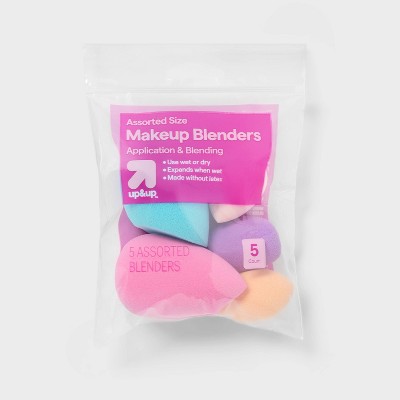
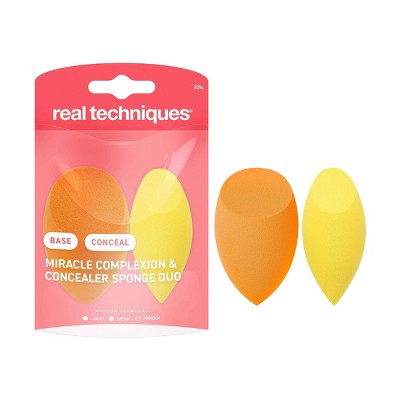
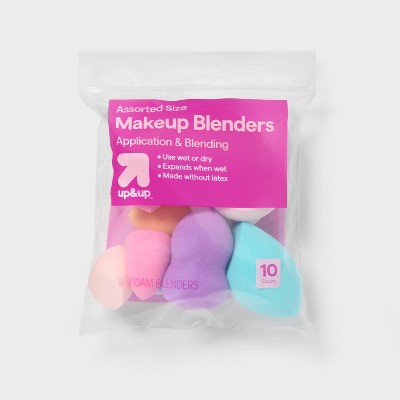
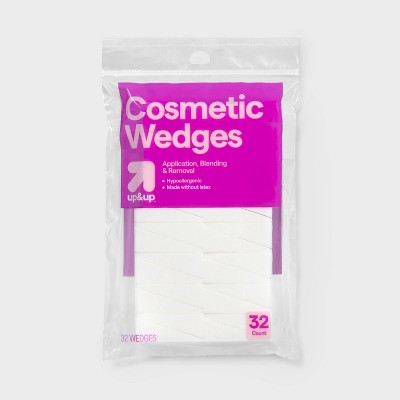
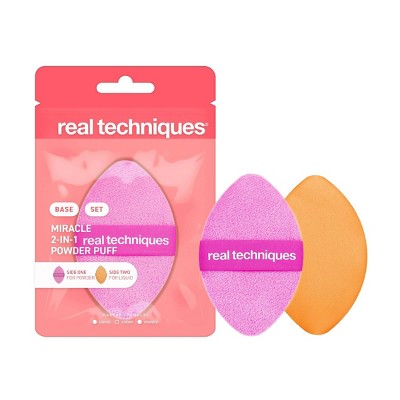
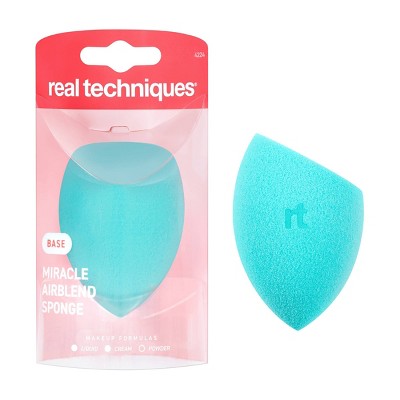
Most beauty blenders and makeup sponges are made from foam (polyurethane foam), microfiber blends, or silicone. Some applicators also list additional construction components — for example, small parts or handles made from materials like birch, aluminum, or TPU — but the sponge surface is typically foam, microfiber, or silicone.
Many sponges are designed for both wet and dry use. Damping a sponge tends to sheer product for a more dewy, natural finish, while using it dry usually gives fuller, more matte coverage. Some microfiber-hybrid sponges are formulated to perform well either wet or dry.
Rinse sponges after each use and wash with gentle soap and water; deep-clean about once a week. Squeeze out excess water and air-dry thoroughly. For quick upkeep, use spot cleaning or wipes rather than soaking when recommended by the product instructions.
Most sponges are made to work well with liquid and cream products, and many also handle powder. Microfiber-hybrid sponges often advertise compatibility with both wet (liquid/cream) and dry (powder) formulas.
Check the product listing or packaging for explicit labels such as “latex-free,” “hypoallergenic,” or “vegan.” Sellers that include health-related claims or ingredient details typically note these features; if it’s not listed, contact the manufacturer or retailer for confirmation.
Sponges can help achieve different finishes: using a sponge dry is often associated with a matte, fuller-coverage look; using a damp sponge typically yields a more dewy, natural finish; microfiber options advertise a seamless, airbrushed result when used as directed.