professional ironing board
Guests also ask:
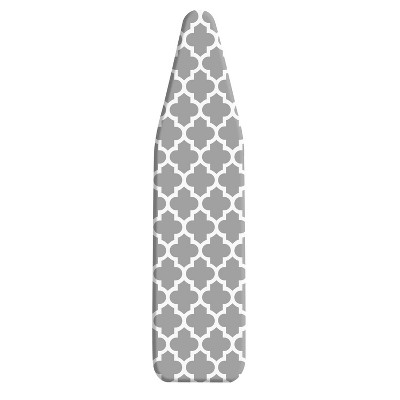
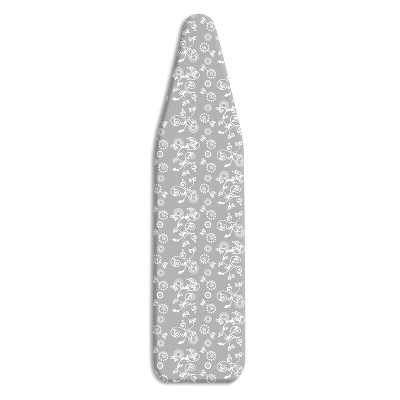
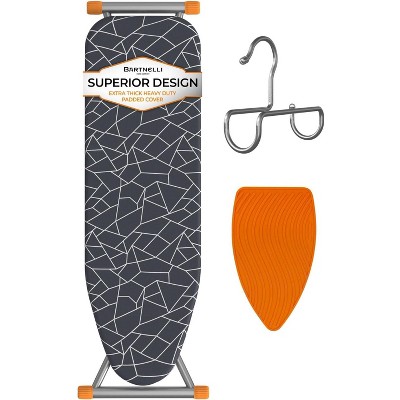
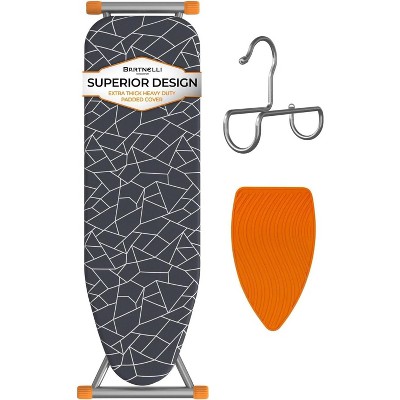
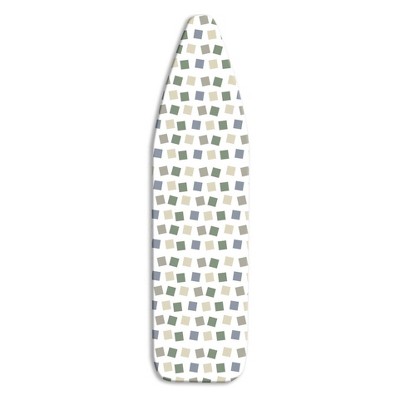
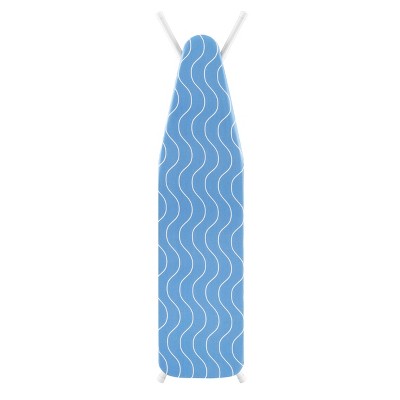
Most models use multi-layer padding. Examples include 4-layer pads or combinations of a washable fabric cover over foam/sponge or fiber padding, often paired with a breathable metal mesh or cotton top to protect garments and allow steam to pass through.
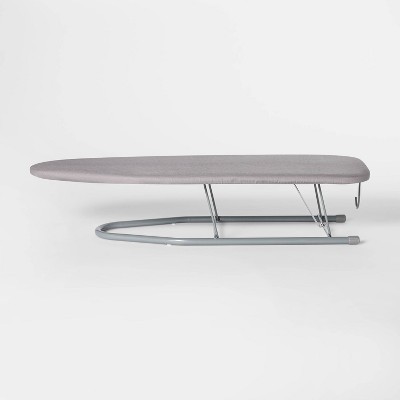
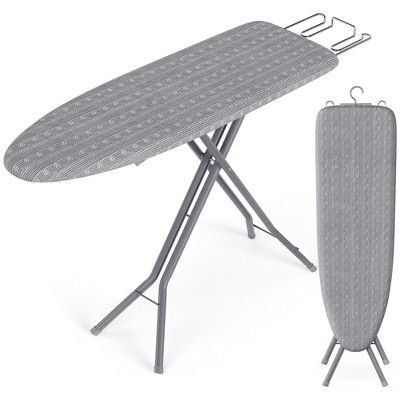
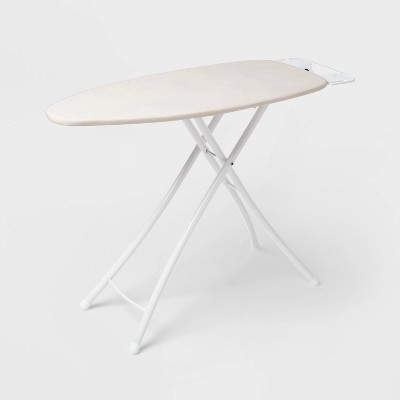
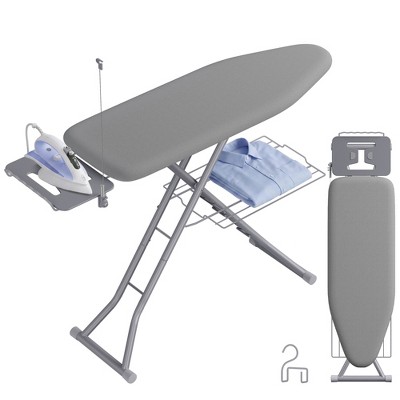
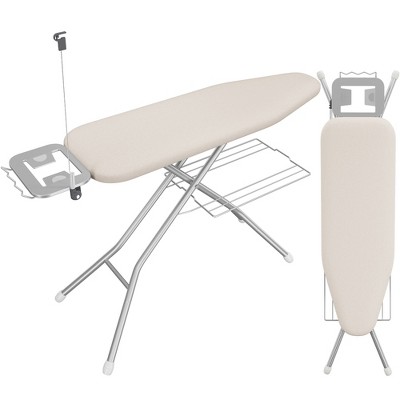
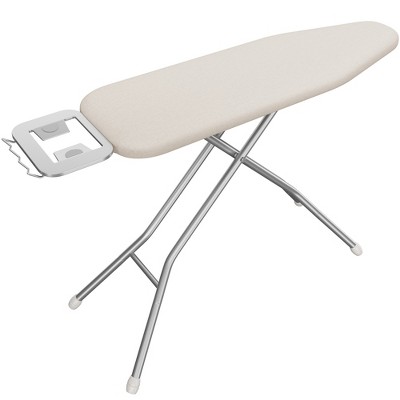
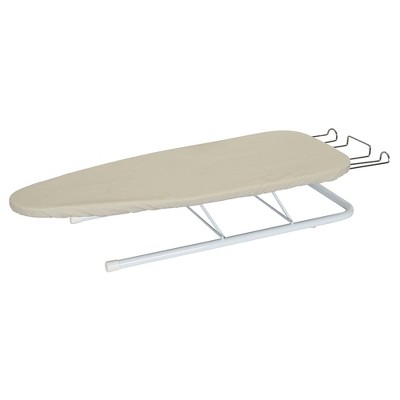
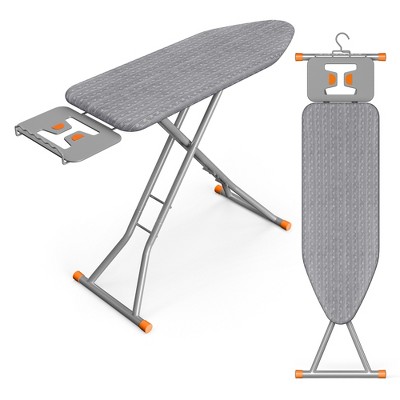
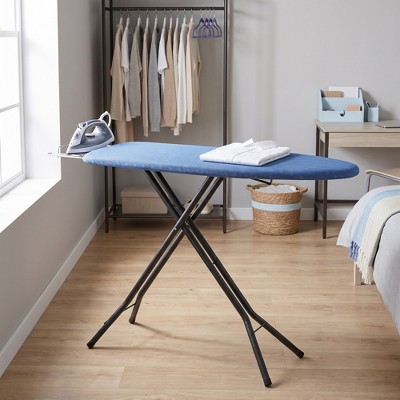
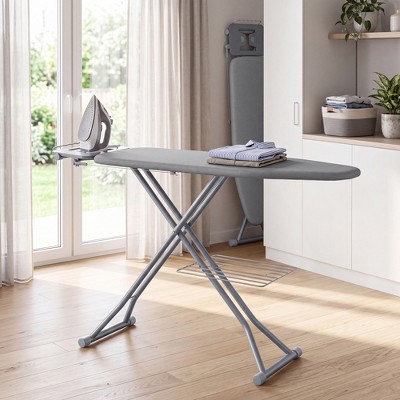
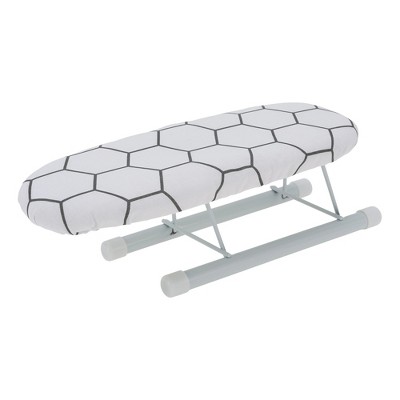
Most boards fold flat or collapse to a slim profile for closet or corner storage. Several list patented open/close or T-leg folding systems and built-in hanging hooks so the board can be stored behind a door or on a closet rod.
Frames and bases are typically steel, aluminum, carbon steel, or other metals. Tops frequently use mesh or perforated steel/metal with some listings noting a silver reflective coating. Covers and padding commonly include cotton or polyester fabric with sponge, foam, or fiber pads; rubber non-slip foot pads are also noted.
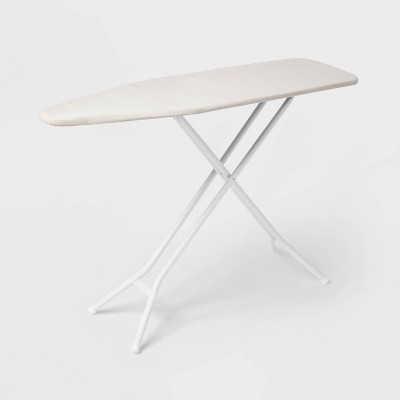
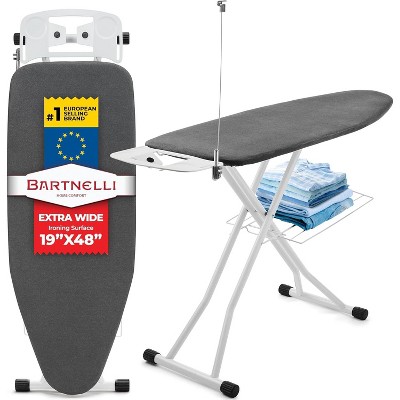
Listings show reinforced or heavy-duty steel frames, four-leg stances (including flared or hex-style legs), and T-leg folding designs. Non-slip feet/pads and reinforced frames are repeatedly cited to improve steadiness.
Listed capacities vary by model. Examples include ironing-surface/load capacities of 44 lb and 55 lb; iron rest capacities of 22 lb and 11 lb; and a clothes-rack capacity listed at 4 lb in one item. Net/pack weights shown include 10 lb, 12.85 lb, and 19.35 lb.
Boards use breathable metal/steel mesh or perforated tops to let steam pass through, silver reflective coatings or mesh surfaces to reflect or distribute heat, and multi-layer pads/covers (washable fabric plus sponge/foam or fiber pads) to aid steam flow and protect fabrics. Some models also list reinforced steam/iron rests sized for heavier steamers.