Target New ArrivalsChristmasGift IdeasHoliday Kids CatalogHome & DecorToys & GamesElectronics & TechVideo GamesGift CardsClothing, Shoes & AccessoriesGroceryBabyBeautyTarget Beauty StudioPersonal CareHousehold EssentialsHealthWellnessBooks, Music & MoviesSports & OutdoorsPetsSchool & Office SuppliesParty SuppliesAutomotiveTarget OpticalClearanceNew ArrivalsChristmasGift IdeasTop DealsTarget Circle DealsWeekly AdShop Order PickupShop Same Day DeliveryRegistryRedCardTarget CircleFind Stores

rewards toddlers chart

289 results for “rewards toddlers chart”
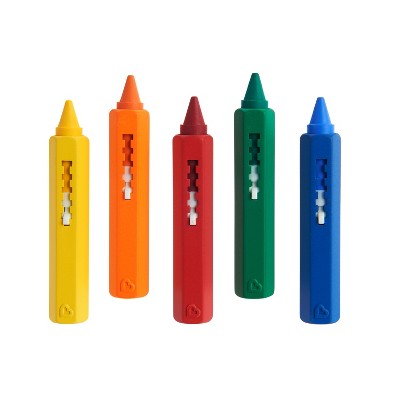
Munchkin Bath Crayons - 5ct

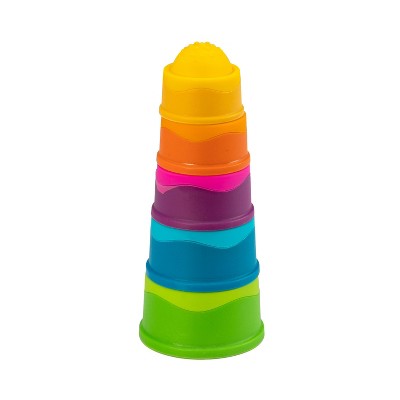
Fat Brain Toys Dimpl Stack Toy - 5 Stacking Cups

$18.99

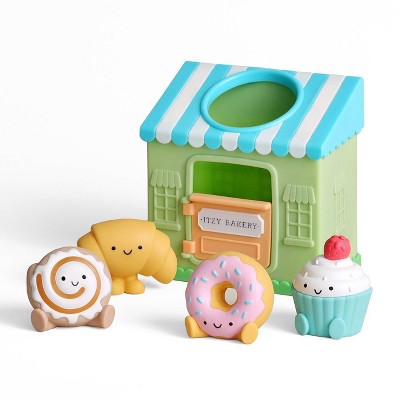
Itzy Ritzy Put and Take Toys - Bakery - 5pc

$11.89
was $16.99
New lower price

Sponsored

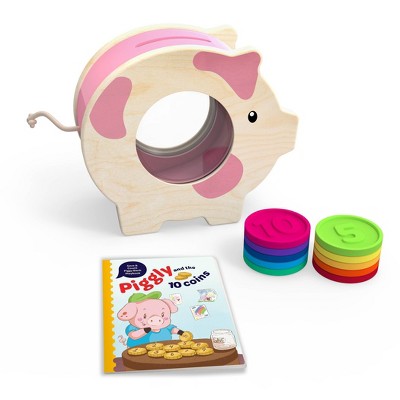
Battat Education Save & Count Piggy Bank: Baby and Toddler Learning Toy with 12 Pieces

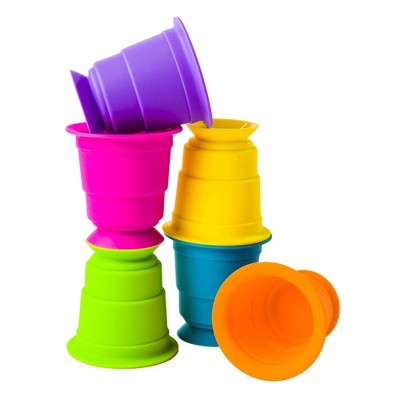
Fat Brain Toys Baby Toddler and Learning Toy Suction Kupz

Sponsored

Powered by AI

Guests also ask:

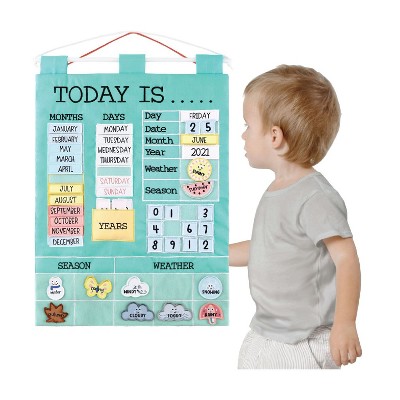
Common toddler reward charts include: small paper incentive charts (single-use or sticker charts); wooden magnetic tracking boards with magnets and dry-erase surfaces; interactive potty-training charts with sounds, music, and stickers; and fabric wall displays with pockets for reusable pieces.

Target ages vary by product. Many charts are aimed at toddlers around 1–4 years or 3 years and up; some list 0–4 years or use broad labels like “all ages.” Always check the manufacturer’s recommended age range to match your child’s developmental level.

Typical materials include paper (for single-use or sticker charts), wood or plywood (for magnetic or durable boards), polyester or other fabrics (for hanging/soft charts), and sometimes recycled fabric materials for eco-friendly wall displays.

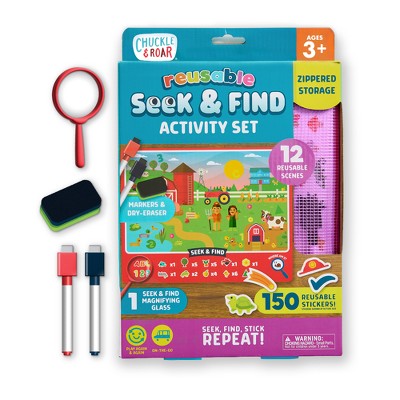
Interactive features commonly include electronic sounds and music, repositionable stickers, wipe-off markers and wipe-clean pages, dry-erase or magnetic surfaces, and activity pages (seek-and-find, mazes) to keep toddlers engaged.

Charts often support social-emotional development, color and shape recognition, language and early literacy, fine motor skills, memory, and basic number recognition—skills commonly highlighted by sellers as benefits of using reward charts.

Potty charts typically use weekly tracking grids (often up to four weeks), repositionable stickers to mark successes, wipe-clean pages and markers for customization, electronic songs/sounds for engagement, and milestone certificates to celebrate progress.

Skip to next section

Sponsored

Get top deals, latest trends, and more.