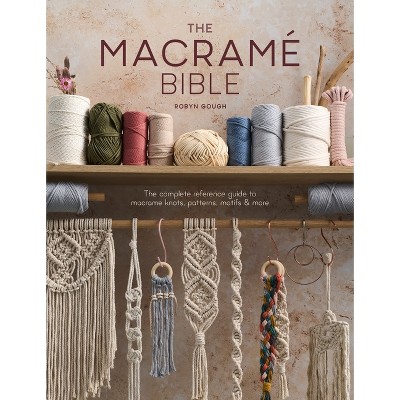
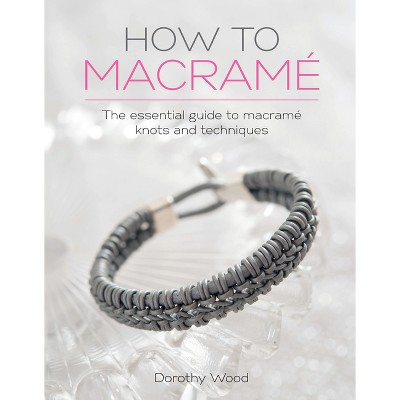
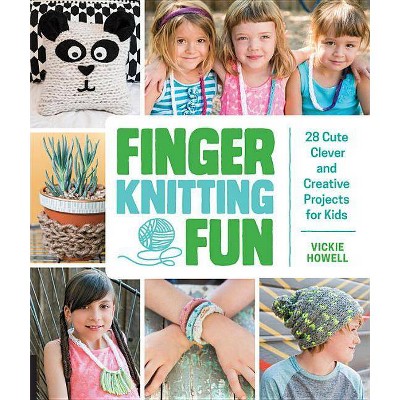
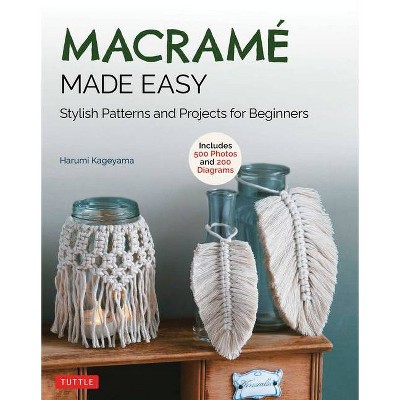
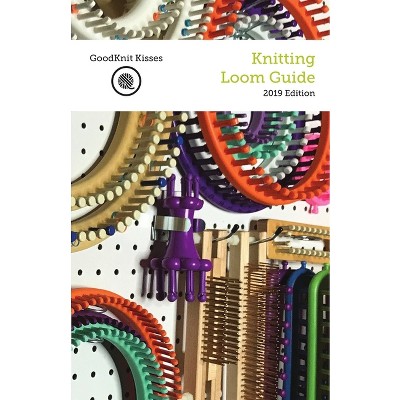
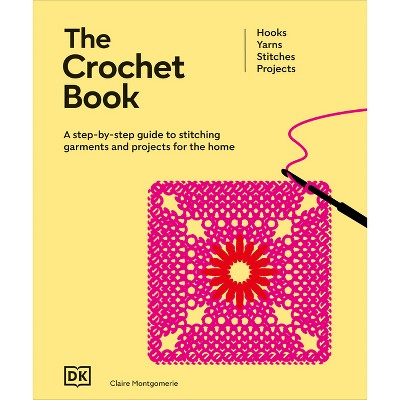
Most titles are available in paperback and hardcover formats; both bindings appear across the listings.
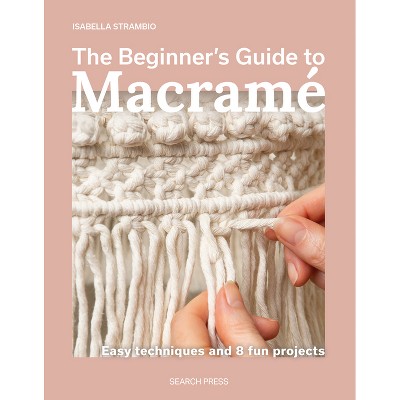
Beyond step-by-step tutorials, some books include personal stories, design history, full historical surveys of rope's role in civilization, and mindfulness-oriented projects paired with reflection prompts.
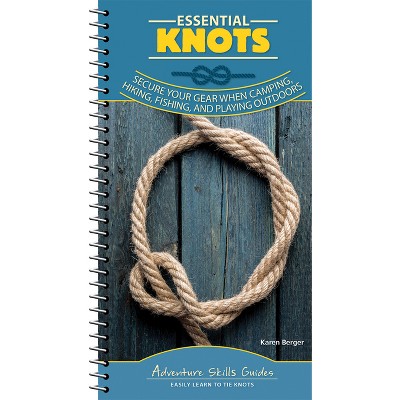
Reference guides often document many knots and techniques—some describe and illustrate over 100 knots and organize content into chapters covering stopper knots, binding knots, bends, hitches, splices, and more.
They are typically organized by knot type into chapters and include supporting tools such as a glossary and an index to make locating specific knots and techniques quick and easy.
Page counts in the set range from about 96 to 400 pages. Representative counts shown include 96, 128, 176, 184, 192, 336, and 400 pages.
Most listings are aimed at adults (often labeled as "22 Years and Up"), though some craft titles are directed at children—for example, listings shown for the 7–13 years age range.
Common features include step-by-step instructions and tutorials, sequence photographs or diagrams, beginner guides and reference sections (glossary, index), and project keys that list required materials, estimated time, and difficulty.
Some how-to titles include estimated project times and explicit difficulty ratings. Time examples range from quick 30-minute creations to projects taking an hour or several hours, and some books rate difficulty (for example, level 1–3) or note difficulty in each project key.
Books mention materials such as yarn, paracord, ribbon, jute, leather, and recycled materials, and they cover prep topics like natural dyeing and pre-treating string. Prep tips include choosing braided over single-twist cord to reduce unraveling, methods for hiding ends (tape, weave through the backside, trim), and ways to manage long cords (fold and secure with rubber bands) to avoid tangles.