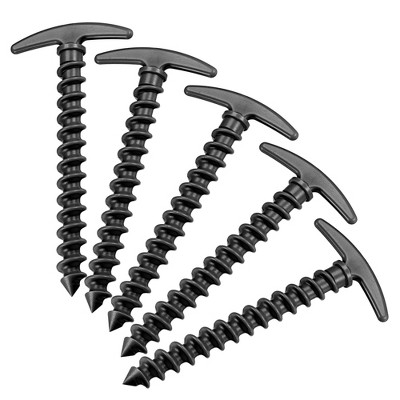
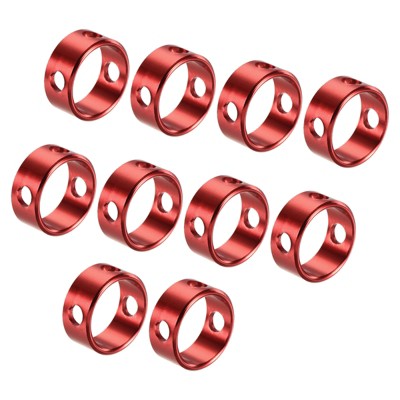
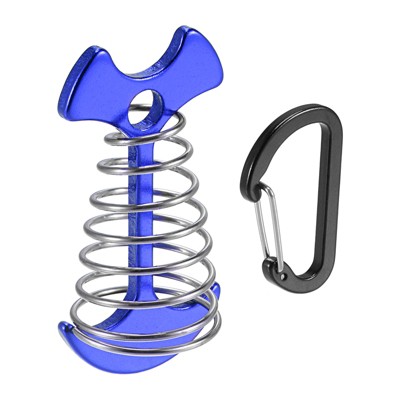
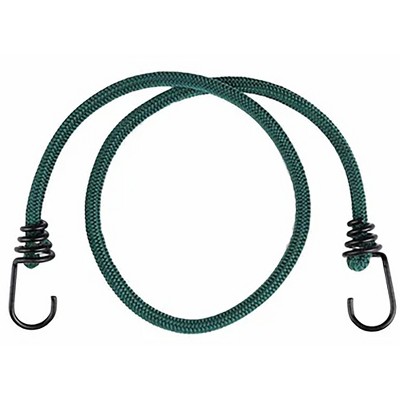
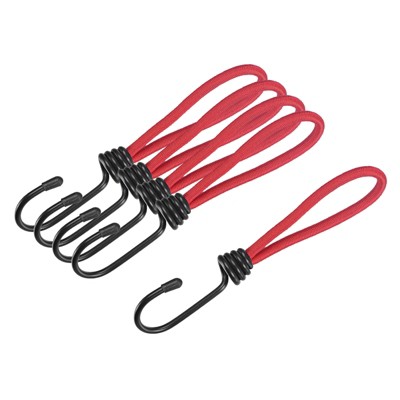
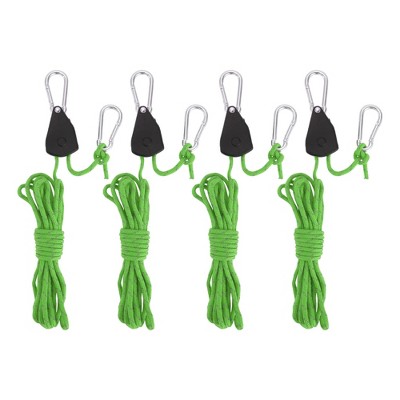
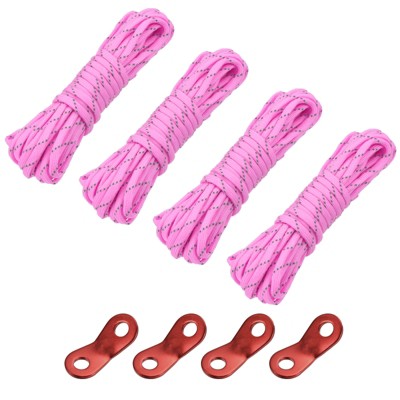
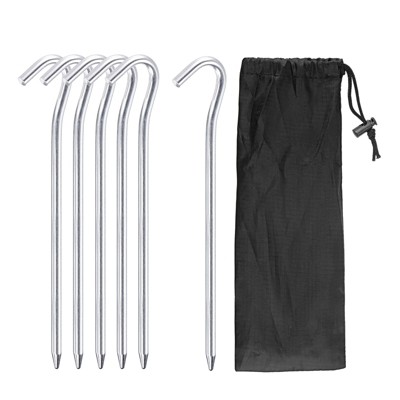
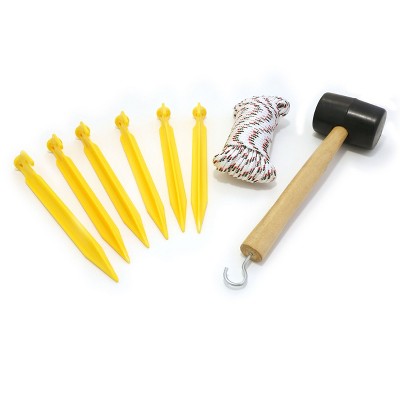
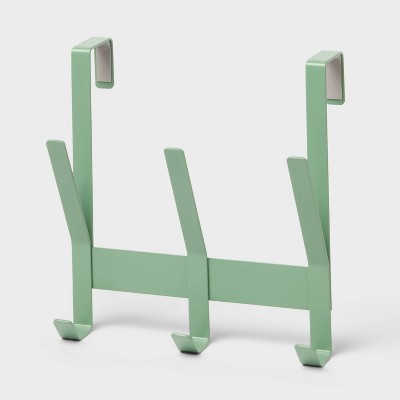
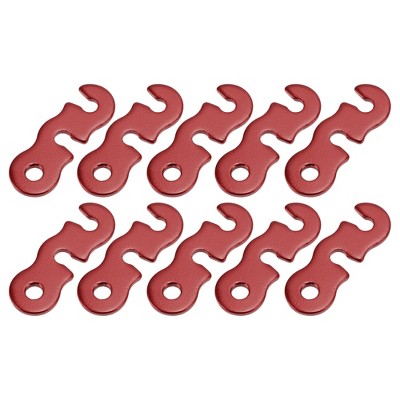
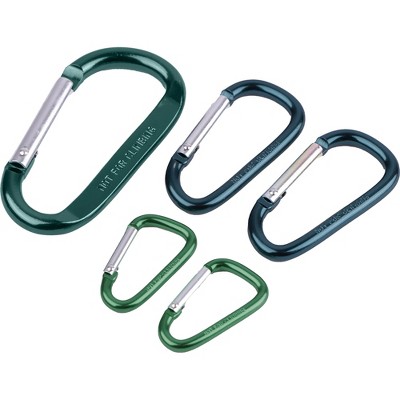
Common choices are Q‑type screw‑in hanger hooks for fixed mounts, S‑hooks (stainless or rubber‑coated) for quick hanging, carabiner clips (preferably with a locking gate) for easy attachment, and swivel or snap hooks for adjustable positioning. For windy locations, use hooks or clips with locking/safety buckles or self‑locking gates to reduce slippage.
Look for corrosion-resistant materials and finishes such as stainless steel (including marine grades), anodized aluminum, and anti-oxidation or rust-proof surface coatings. These treatments and alloys help hooks resist rust and degradation in wet or salty outdoor environments.
Security features to look for include integrated safety-lock designs, self‑locking T‑ring mechanisms, and spring/automatic‑rebound locking gates on clips and carabiners. These reduce accidental opening and help keep items secure during wind or movement.
For wood: screw the hook in by hand or tighten it with a wrench until secure. For concrete or masonry: drill an appropriately sized hole, insert a plastic or metal expansion plug/anchor, then thread the screw‑in hook into the anchor and tighten with a wrench.
They’re used for hanging garden tools, camping gear, clothing (including in closets), and general home or garage organization such as tools and utensils. The rubber coating protects surfaces and provides grip while the bendable core lets you shape the hook as needed.
Carabiner/key clips often offer one‑handed spring‑clip operation, automatic rebound locking, and high durability (some listings cite 5,000+ open/close cycles) with rated load limits on certain models. Swivel snap hooks are generally heavier, include a swivel eye compatible with cables up to about 0.55 in, and some list working capacities around 40 lb. Check each product’s rated load and lock type before use.