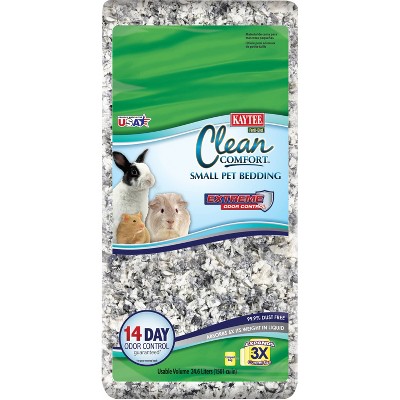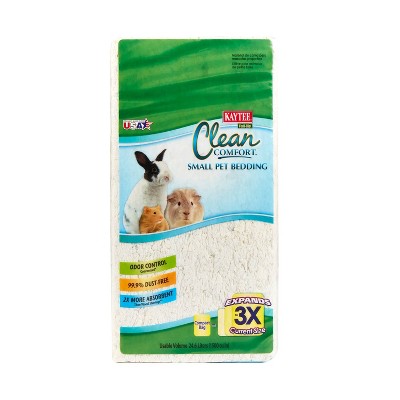

Some listings explicitly describe wood shavings and pellets as biodegradable and compostable. Several pellet products are advertised as breaking down quickly and suitable for composting after use.
Smoking chips are marketed by flavor profile. For example, apple wood is promoted as a mild, fruity smoke that pairs with poultry, beef, pork, seafood, lamb, game, vegetables and cheese, while bourbon‑soaked oak is marketed to add a gentle bourbon note suited to ribs, brisket and venison.
Manufacturers often highlight heat‑based treatments intended to reduce pests and sanitize the material. Common listing terms include oven‑dried, heat‑treated and kiln‑dried, described as eliminating bark‑dwelling pests and creating a healthier bedding environment.
Drying and heat treatments vary by product type. Reptile bark is often described as oven‑dried or heat‑treated, stall/horse pellets are described as kiln‑dried, and smoking/BBQ chips are also frequently listed as kiln‑dried.
Pellets are compressed reclaimed wood that expand when wet and are used for stalls and high‑absorption bedding. Loose ground bark or shavings serve as substrate in terrariums and support digging, burrowing and humidity control. Extra‑fine wood chips and sawdust are described for smoking/grilling rather than animal bedding.