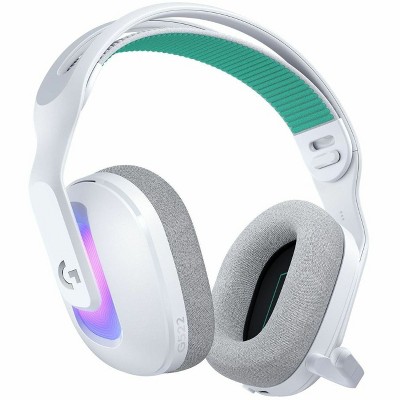
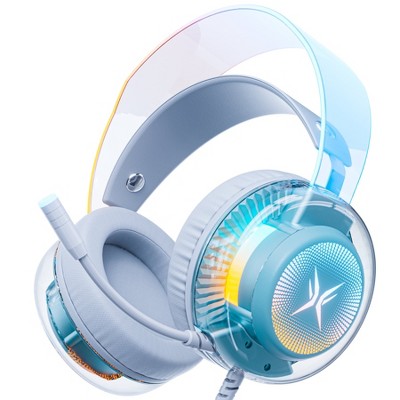
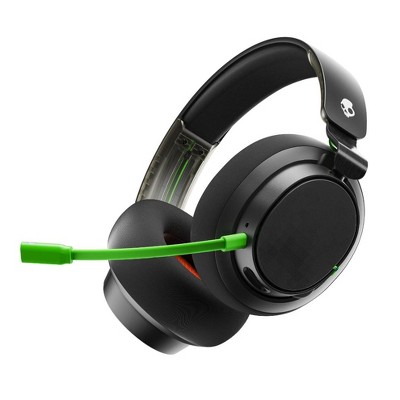
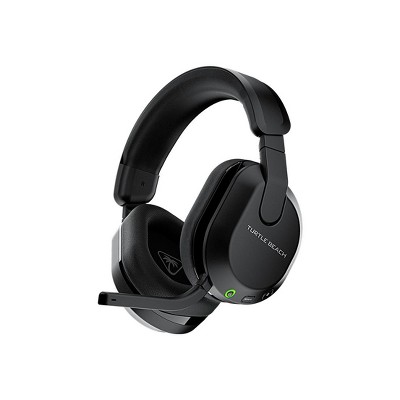
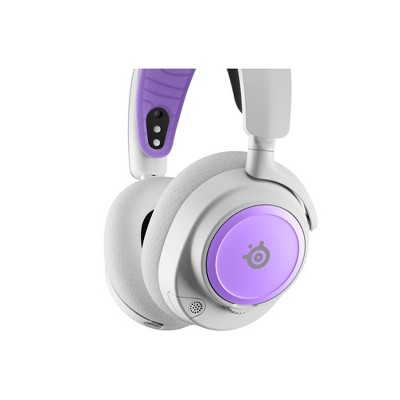
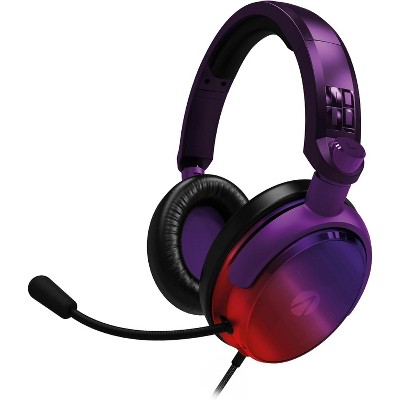
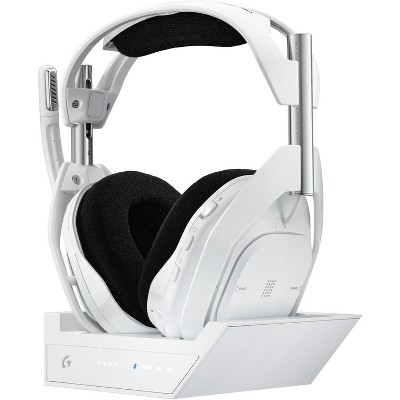
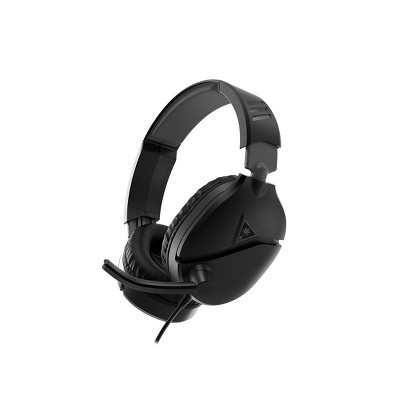
Headsets commonly use a wired 3.5 mm audio jack, USB‑C, or fully wireless connections. Some models offer both wired and wireless options, while a few are wireless-only with no wired ports.
Common wireless options include Bluetooth, low-latency 2.4 GHz (dongle) links, and Xbox Wireless. Some headsets support simultaneous connections (for example, Bluetooth for phone/voice plus a 2.4 GHz or Xbox Wireless link for game audio) so you can use game audio and phone calls at once.
Battery life varies widely across models: listed runtimes range from about 12 hours up to around 80 hours. Many headsets commonly report values such as 20, 24, or 38 hours.
Common microphone features include high-sensitivity mics and physical mute options such as flip-up, flip-to-mute, or swivel-to-mute designs. Several listings also mention microphone noise-reduction technologies (often described as AI-assisted or noise-cancelling). For exact performance, check each model’s specs for pickup pattern, mute method, and any noise-suppression details.
Common cushion materials include leatherette, foam, and textile. Some models specify memory foam or cooling gel–infused memory foam and call out glasses-friendly or pressure-relief designs intended for extended comfort.
Most headsets include basic volume and mute controls—either inline or on-ear. Several wireless models also provide independent game/chat mixing or separate game and chat volume controls for real-time balancing.
The most common wired option is a standard 3.5 mm audio jack. A few models list USB‑C (sometimes alongside 3.5 mm) as a wired connection. Wired headsets typically do not require a battery.