Sponsored
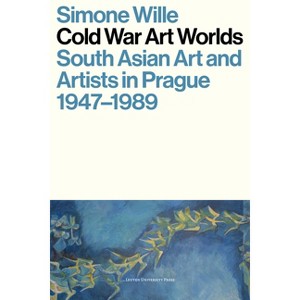
Cold War Art Worlds - by Simone Wille (Paperback)
Pre-order
Sponsored
About this item
Highlights
- Prague as a vital Cold War hub for South Asian artists.During the Cold War, the Central-European capital city Prague, along with other previously less noticed locations in the polarised post-war world, emerged as a key site where an art world of particular importance for artists from South Asia developed.
- About the Author: Simone Wille is Elise Richter Fellow at the University of Innsbruck, Institute of Art History.
- 320 Pages
- Art, History
Description
Book Synopsis
Prague as a vital Cold War hub for South Asian artists.
During the Cold War, the Central-European capital city Prague, along with other previously less noticed locations in the polarised post-war world, emerged as a key site where an art world of particular importance for artists from South Asia developed. By emphasising cultural mobility as a catalyst for exchange and network building, this book challenges and complicates assumptions about Cold War binaries of East and West and the polarisation between so-called totalitarian regimes and free cultures. Positioning Prague as a nexus where South-Asian modernisms intersected with multiple peoples, histories, and ideologies in the post-World War II era, it offers a narrative of decolonisation that rejected rigid systemic alignment in favour of participation across blocs by prioritising migratory aesthetics over nationalist parochialism. Well-researched and rich in archival materials, this book proposes new ways of writing art histories and makes a significant contribution to both Cold War studies and critical global modernism studies.
Review Quotes
'This book brings in archives hitherto unexplored - primarily from central and eastern Europe - and nuances the personal histories and transnational footprints of key artists of postcolonial South Asia.' - Sanjukta Sunderason, University of Amsterdam
'This book examines an important yet under researched nexus of transnational and transcultural exchange, between South Asia and Czechoslovakia. Through painstaking archival research in multiple geographies, the author challenges existing narratives of postwar internationalism to bring to light a story about socialist internationalism that operates on multiple levels, from the diplomatic, to the personal, to the artistic.' - Ming Tiampo, Carleton University
About the Author
Simone Wille is Elise Richter Fellow at the University of Innsbruck, Institute of Art History.
Shipping details
Return details
Frequently bought together


Trending Non-Fiction



Discover more options