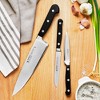
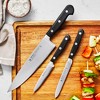
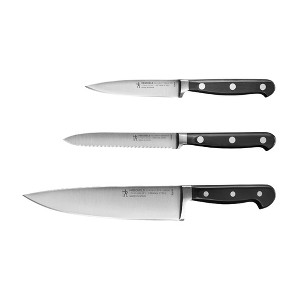
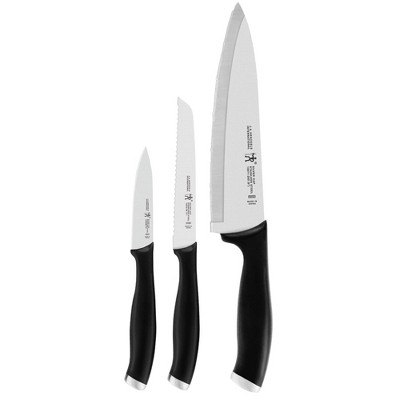
Henckels Classic Precision 3-pc Starter Knife Set
$119.95 reg $332.00
$212.05 off
In Stock

Free & easy returns
Return this item by mail or in store within 30 days for a full refund.
Sold & shipped by Zwilling J.A. Henckels
Eligible for registries and wish lists
At a glance
About this item
Additional product information and recommendations
Discover more options
- $79.99reg $167.00 Sale
- $119.99reg $242.50 Sale4.5 out of 5 stars with 30 ratings
- $64.99reg $113.50 Sale
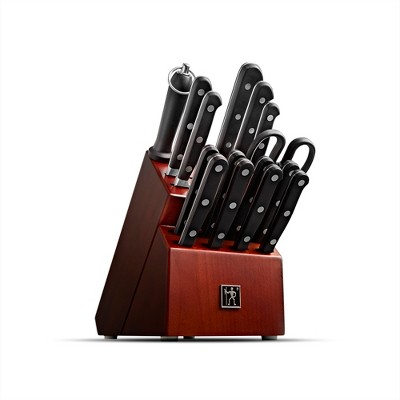
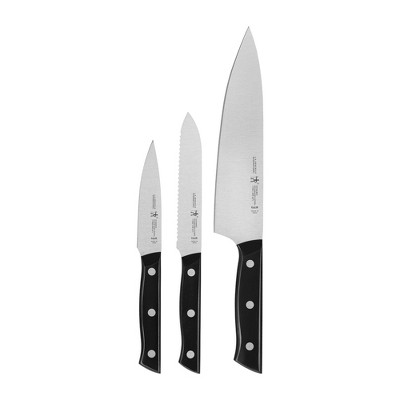
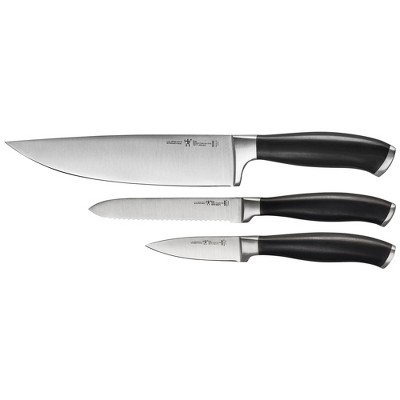
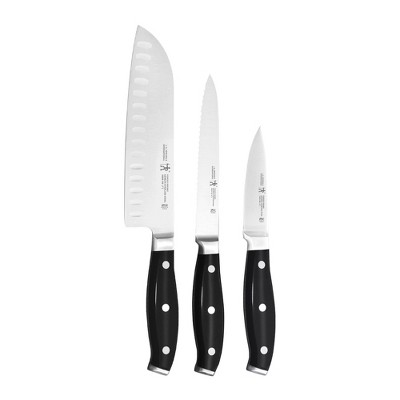
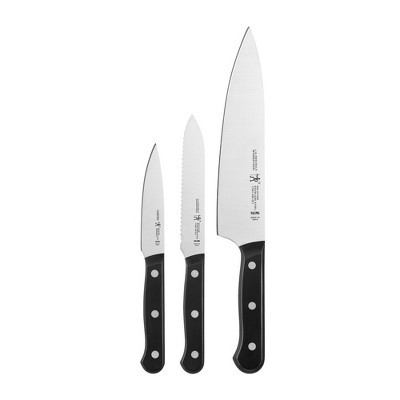
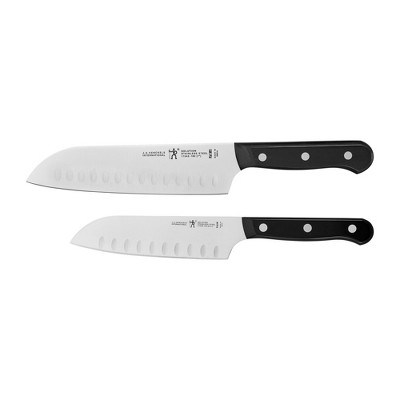
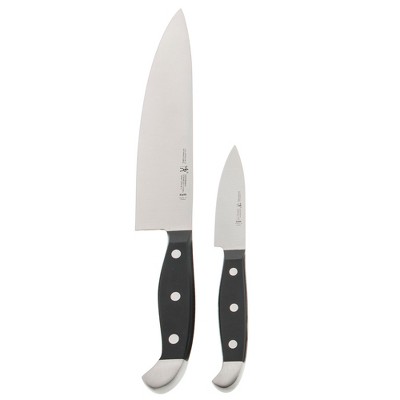
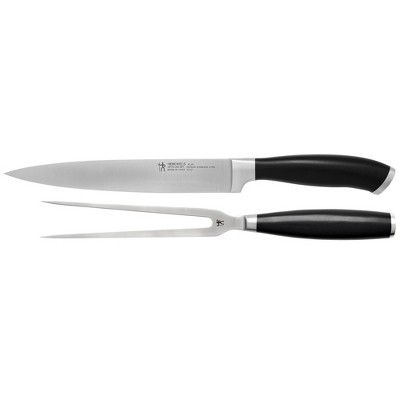
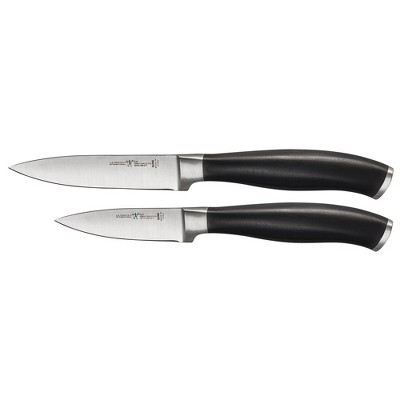
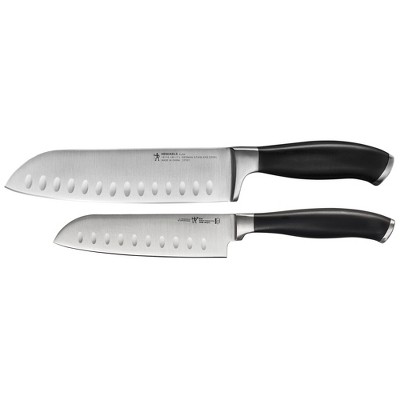
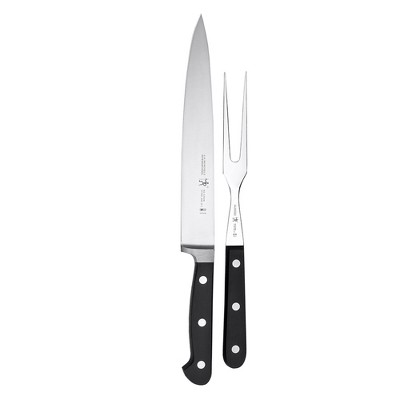
Frequently bought together
- $9.49 - $10.99reg $12.69 - $14.69 Sale
Guests also viewed
- $129.99reg $288.50 Sale4.8 out of 5 stars with 351 ratings
- $127.99reg $149.99 Sale4.9 out of 5 stars with 107 ratings
- $119.99reg $242.50 Sale4.5 out of 5 stars with 30 ratings
- $139.99reg $274.00 Sale4.9 out of 5 stars with 1264 ratings
Related Categories
Guests are saying
This knife set has received high praise for its exceptional sharpness, balance, and comfortable grip, making it an ideal choice for both novice and experienced cooks. Guests appreciate the quality of the German steel and the variety of knives included, which cater to a range of culinary tasks. Many have noted the ease of use and the significant improvement in their cooking experience since upgrading to this set. Overall, it is a fantastic starter set that combines quality and functionality.
Summary created by AI from text of reviews reflecting recent feedback provided across different star ratings (includes incentivized reviews)
4.8 out of 5 stars with 230 reviews
5 out of 5 stars
7 October, 2026
originally posted on HENCKELS

Sharp knives
We have had our knife set for about a month. We were happy with shipping and how quickly they got here. They are extremely sharp and good quality. We have been enjoying how well they slice after using dull knives for so long. We would recommend these for anyone who is looking for quality knives that are more affordable. Ours are the Spain made with the German steel. They came with a sharpener that we tried on a couple of older knives and it has done well on those.
5 out of 5 stars
26 August, 2026
originally posted on HENCKELS
Sharp
Love how sharp they are. We have bought sets for the kids do now it’s our turn.
5 out of 5 stars
1 August, 2026
originally posted on HENCKELS
Excellent Casual Cooking Knives
I bought these and have had nothing but success in the kitchen since. I hadn't realized how dulled out my old knives were until using these. Easy to grip and totally smooth balanced cutes. Couldn't recommend more!
5 out of 5 stars
19 December, 2025
originally posted on HENCKELS
Perfect Addition to Kitchen
Knives are super sharp, good weight and handles well. The 3 piece set is an addition to my other utensils and cut wit precision. Highly Recommend.
5 out of 5 stars
27 June, 2025
originally posted on HENCKELS
Great First Knife Set!
So I gave a culinary student who is going into the 12th grade. He is very passionate about cooking. I got him a summer internship at a Michelin-rated restaurant in San Francisco. Although I have over a 100 knives in class, I wanted him to show up looking and feeling professional. Your knife set helped make that happen!
5 out of 5 stars
30 January, 2025
originally posted on HENCKELS
Perfect Beginner Knife Set
I love the knives in this set!! They are perfect for a beginner chef and work very well. The large chefs knife is my personal favorite kitchen tool!
5 out of 5 stars
29 December, 2024
originally posted on HENCKELS
Love these knives
These knives cut like butter. I am in awe of their capabilities. I was gifted these for my first apartment this past Christmas and it has made cooking so much easier!
1 out of 5 stars
20 December, 2024
originally posted on HENCKELS
Not worth the price.
Worked fine for couple of months and became dull there after. Also can spot rusting. Not worth the price.
5 out of 5 stars
22 August, 2024
originally posted on HENCKELS
Nice product for the price!
I'm very happy. The knives are razor sharp and feel nice in the hand. I appreciate the German steel and they look nice too!
5 out of 5 stars
3 August, 2024
originally posted on HENCKELS
Perfect
Perfect starter set! Sharp, comfortable to hold and very light!
5 out of 5 stars
29 July, 2024
originally posted on HENCKELS
Lovely knives
These knives are beautifully made. Nice and light weight but sharp and do the job well. I sliced a tomato with no problem!
5 out of 5 stars
25 June, 2024
originally posted on HENCKELS
Great!
Great durability
5 out of 5 stars
23 June, 2024
originally posted on HENCKELS
Great knives!
First set of good knives that I have in the kitchen and they are fantastic.
5 out of 5 stars
19 May, 2024
originally posted on HENCKELS
Perfect starter set
[This review was collected as part of a promotion.] Has all the knives you need to cook. Comes relatively sharp but a quick strop goes a long way. Don’t plan for these to last forever, but perfect place to start and slowly replace with nicer ZWILLING knives over time. For the price you can’t beat it.
5 out of 5 stars
12 May, 2024
originally posted on HENCKELS
Superior quality
[This review was collected as part of a promotion.] This is a great knife set. Excellent balance and quality. The big knife has a good curved blade that allows me to rock it over foods I want to chop more fine. Each of the knives feel well crafted. The handle has just a bit of heft, but still feels light in my hand. I do a lot of cooking so these will be my go-to knives from now on. I got 4 knives as a gift for mother's day and can't wait to use them all.
5 out of 5 stars
8 May, 2024
originally posted on HENCKELS
They’re amazing
[This review was collected as part of a promotion.] Functionality Design
5 out of 5 stars
6 April, 2024
originally posted on HENCKELS
3-piece EverEdge Kitchen Knives
These knives are eversharp--never need sharpening--they truly are ever so sharp and easy to use. My friend had a set in her kitchen and she protectively doesn't like anyone to use them. But she let me try and I was amazed at the ease with which they cut. We compared them to all the other larger kitchen knives she had and none came close to the cutting speed, ease and thoroughness of these knives. No half-way cutting with them or having to use excessive energy. . I ordered a set for myself and am so satisfied with them.
5 out of 5 stars
5 April, 2024
originally posted on HENCKELS
Perfect gift
I got them as a gift for my boyfriend, now he feels as if he is a professional chef! Been wanting to get good quality knives for a while and now he's loving them.
5 out of 5 stars
25 January, 2024
originally posted on HENCKELS
Great set for the home cook!
These knives are amazingly sharp! I have had no issues using them straight out of the package. Well balanced blade and handle make it comfortable for me to use in a variety of ways. I highly recommend these knives to anyone whether beginner or expert.
5 out of 5 stars
10 January, 2024
originally posted on HENCKELS
Great Price and Great Quality
Good value set of knives, they are sharp and seem to be holding an edge very well.