Target New ArrivalsFourth of JulyGift Ideas for DadClothing, Shoes & AccessoriesHome & DecorKitchen & DiningOutdoor Living & GardenGroceryHousehold EssentialsBabyBeautyPersonal CareSports & OutdoorsHealthWellnessLuggageSchool & Office SuppliesToys & GamesElectronicsVideo GamesMovies, Music & BooksParty SuppliesGift IdeasGift CardsPetsUlta Beauty at TargetShop by CommunityTarget OpticalDealsClearanceNew ArrivalsGift Ideas for DadBack to SchoolCollegeTop DealsTarget Circle DealsWeekly AdShop Order PickupShop Same Day DeliveryRegistryRedCardTarget CircleFind Stores
Ideographia - by  David Porter (Hardcover) - 1 of 1

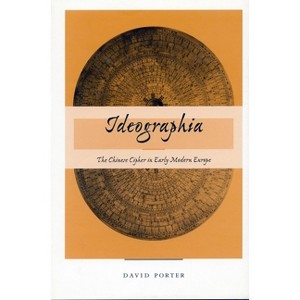
Ideographia - by David Porter (Hardcover)

In Stock

Free & easy returns
Free & easy returns
Return this item by mail or in store within 90 days for a full refund.
Eligible for registries and wish lists

About this item

Highlights

  • From the first successful Jesuit mission in 1583 until the disastrous failure of the British trade embassy in 1816, China's cultural practices transfixed the attention of Western philosophers, theologians, architects, artists, entrepreneurs, and social critics.
  • About the Author: David Porter is Assistant Professor of English and Comparative Literature at the University of Michigan.
  • 312 Pages
  • History, Civilization

Description


About the Book


From the first successful Jesuit mission to China in 1583, China's cultural practices transfixed the attention of Western philosophers, theologians, architects, artists, entrepreneurs, and social critics. This book traces recurrent patterns in the European imaginative constructions of China through four illuminating spheres of encounter: linguistic, theological, aesthetic, and economic.


Book Synopsis


From the first successful Jesuit mission in 1583 until the disastrous failure of the British trade embassy in 1816, China's cultural practices transfixed the attention of Western philosophers, theologians, architects, artists, entrepreneurs, and social critics. The direct influences on European culture were many and profound, ranging from Chinese teahouses in European palace gardens to adaptations of Chinese plays for the popular stage, from calls for the restructuring of the civil service on the model of Chinese meritocracy to the espousal of Confucian precepts in the moral education of children.

More significant than even such readily visible gestures of imitation and appropriation, however, were the interpretive strategies that accompanied them: the processes by which Europeans translated the unfamiliar and often enigmatic artifacts of Chinese culture into familiar forms of meaning, thus engaging them in the emergent discourses of European modernity.

This book traces recurrent patterns in the European imaginative constructions of China through four illuminating spheres of encounter: linguistic, theological, aesthetic, and economic. How might we compare the perplexity of Europeans before the Chinese writing system with their experience of Chinese religious practice, trade policy, or porcelain design? The author shows how the remarkably consistent interpretive paradigms revealed through such comparisons suggest not only how historical circumstances condition and constrain responses to the foreign but also how an active engagement with the cipher of foreignness shapes the way a society comes to understand itself.


From the Back Cover


From the first successful Jesuit mission in 1583 until the disastrous failure of the British trade embassy in 1816, China's cultural practices transfixed the attention of Western philosophers, theologians, architects, artists, entrepreneurs, and social critics. The direct influences on European culture were many and profound, ranging from Chinese teahouses in European palace gardens to adaptations of Chinese plays for the popular stage, from calls for the restructuring of the civil service on the model of Chinese meritocracy to the espousal of Confucian precepts in the moral education of children.
More significant than even such readily visible gestures of imitation and appropriation, however, were the interpretive strategies that accompanied them: the processes by which Europeans translated the unfamiliar and often enigmatic artifacts of Chinese culture into familiar forms of meaning, thus engaging them in the emergent discourses of European modernity.
This book traces recurrent patterns in the European imaginative constructions of China through four illuminating spheres of encounter: linguistic, theological, aesthetic, and economic. How might we compare the perplexity of Europeans before the Chinese writing system with their experience of Chinese religious practice, trade policy, or porcelain design? The author shows how the remarkably consistent interpretive paradigms revealed through such comparisons suggest not only how historical circumstances condition and constrain responses to the foreign but also how an active engagement with the cipher of foreignness shapes the way a society comes to understand itself.


Review Quotes


"David Porter, in an intelligent and erudite book, examines four episodes of early modern European images of China that shaped European values and self-concepts. . . ." --International History Review


About the Author


David Porter is Assistant Professor of English and Comparative Literature at the University of Michigan. He is the editor of Internet Culture and Between Men and Feminism.
Dimensions (Overall): 9.48 Inches (H) x 6.44 Inches (W) x .97 Inches (D)
Weight: 1.27 Pounds
Suggested Age: 22 Years and Up
Number of Pages: 312
Genre: History
Sub-Genre: Civilization
Publisher: Stanford University Press
Format: Hardcover
Author: David Porter
Language: English
Street Date: July 1, 2002
TCIN: 1012181901
UPC: 9780804732031
Item Number (DPCI): 247-16-3628
Origin: Made in the USA or Imported
If the item details aren’t accurate or complete, we want to know about it.

Shipping details

Estimated ship dimensions: 0.97 inches length x 6.44 inches width x 9.48 inches height
Estimated ship weight: 1.27 pounds
We regret that this item cannot be shipped to PO Boxes.
This item cannot be shipped to the following locations: American Samoa (see also separate entry under AS), Guam (see also separate entry under GU), Northern Mariana Islands, Puerto Rico (see also separate entry under PR), United States Minor Outlying Islands, Virgin Islands, U.S., APO/FPO, Alaska, Hawaii

Return details

This item can be returned to any Target store or Target.com.
This item must be returned within 90 days of the date it was purchased in store, delivered to the guest, delivered by a Shipt shopper, or picked up by the guest.
See the return policy for complete information.

Q: What type of book is this classified as?

submitted by AI Shopping Assistant - today
  • A: This book is classified as a history book, specifically focusing on civilization.

    submitted byAI Shopping Assistant - today
    Ai generated

Q: What influences did Chinese culture have on Europe?

submitted by AI Shopping Assistant - today
  • A: Chinese culture influenced European architecture, theater, civil service, and moral education.

    submitted byAI Shopping Assistant - today
    Ai generated

Q: What historical period does the book cover?

submitted by AI Shopping Assistant - today
  • A: It covers the period from 1583 to 1816, focusing on European interactions with China.

    submitted byAI Shopping Assistant - today
    Ai generated

Q: What are the main themes explored in the book?

submitted by AI Shopping Assistant - today
  • A: The book explores linguistic, theological, aesthetic, and economic encounters between Europe and China.

    submitted byAI Shopping Assistant - today
    Ai generated

Q: Who is the author of this book?

submitted by AI Shopping Assistant - today
  • A: The author is David Porter, an Assistant Professor at the University of Michigan.

    submitted byAI Shopping Assistant - today
    Ai generated

Additional product information and recommendations

Discover more options

Best-selling History

Get top deals, latest trends, and more.

Privacy policy