Sponsored
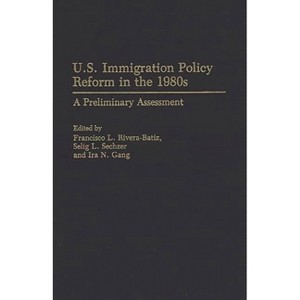
U.S. Immigration Policy Reform in the 1980s - by Francisco L Rivera-Batiz & Selig L Sechzer & IRA Gang (Hardcover)
In Stock
Sponsored
About this item
Highlights
- Using the most current data available, the essays collected here offer a timely assessment of the impact of the Immigration Reform and Control Act of 1986 (IRCA), which constitutes the most significant U.S. immigration policy initiative of recent years.
- About the Author: FRANCISCO L. RIVERA-BATIZ is Associate Professor of Economics at Rutgers University and Visiting Professor of Regional Science at the University of Pennsylvania.
- 160 Pages
- Social Science, Emigration & Immigration
Description
About the Book
Using the most current data available, the essays collected here offer a timely assessment of the impact of the Immigration Reform and Control Act of 1986 (IRCA), which constitutes the most significant U.S. immigration policy initiative of recent years. The contributors--all well-known researchers active in analyzing immigration issues--examine such key questions as: How has the implementation of IRCA proceeded? What have been its effects so far? Have the goals of the immigration policy reform been fulfilled? What potential impact on the U.S. economy can the policy reforms be expected to have over the next few years? Taken together, their essays provide a comprehensive picture of the state of the art in the area of immigration policy research and a first look at the actual effects of IRCA on undocumented immigration to America.
Each chapter analyzes a particular aspect or aspects of IRCA. Francisco Rivera-Batiz begins with an introduction and overview of U.S. immigration policy reform in the 1980s. Michael Hoefer then describes in detail the provisions of IRCA and shows how the law has been implemented to date. In the next essay, Barry Chiswick analyzes the effectiveness of the employer sanctions mandated by the bill. Subsequent chapters examine such issues as the critical role played by undocumented workers in the agricultural sector of the U.S. southwest, substitution and complementarity between immigrant and native labor, and the economic implications of immigration law reform. The contributors are united in the view that IRCA has worked well in its legalization aspects, reaching a large portion of the undocumented population. They raise questions about the employer sanctions provisions, however, and express doubts as to whether IRCA can be expected to have any major constraining effect on illegal immigration over the next few years.
Book Synopsis
Using the most current data available, the essays collected here offer a timely assessment of the impact of the Immigration Reform and Control Act of 1986 (IRCA), which constitutes the most significant U.S. immigration policy initiative of recent years. The contributors--all well-known researchers active in analyzing immigration issues--examine such key questions as: How has the implementation of IRCA proceeded? What have been its effects so far? Have the goals of the immigration policy reform been fulfilled? What potential impact on the U.S. economy can the policy reforms be expected to have over the next few years? Taken together, their essays provide a comprehensive picture of the state of the art in the area of immigration policy research and a first look at the actual effects of IRCA on undocumented immigration to America.
Each chapter analyzes a particular aspect or aspects of IRCA. Francisco Rivera-Batiz begins with an introduction and overview of U.S. immigration policy reform in the 1980s. Michael Hoefer then describes in detail the provisions of IRCA and shows how the law has been implemented to date. In the next essay, Barry Chiswick analyzes the effectiveness of the employer sanctions mandated by the bill. Subsequent chapters examine such issues as the critical role played by undocumented workers in the agricultural sector of the U.S. southwest, substitution and complementarity between immigrant and native labor, and the economic implications of immigration law reform. The contributors are united in the view that IRCA has worked well in its legalization aspects, reaching a large portion of the undocumented population. They raise questions about the employer sanctions provisions, however, and express doubts as to whether IRCA can be expected to have any major constraining effect on illegal immigration over the next few years.Review Quotes
?This book contains five papers by various authors assessing the impact in the United States of the 1986 Immigration Reform and Control Act (IRCA). The papers were presented at a colloquium held at Rutgers University, New Brunswick, New Jersey, on October 14, 1988. They attempt to answer the questions: "how has the implementation of IRCA proceeded? What have been its effects so far? Have the goals of the immigration policy reform been fulfilled? What potential impact on the U.S. economy can the policy reform be expected to have over the next few years?"?-POPULATION INDEX
"This book contains five papers by various authors assessing the impact in the United States of the 1986 Immigration Reform and Control Act (IRCA). The papers were presented at a colloquium held at Rutgers University, New Brunswick, New Jersey, on October 14, 1988. They attempt to answer the questions: "how has the implementation of IRCA proceeded? What have been its effects so far? Have the goals of the immigration policy reform been fulfilled? What potential impact on the U.S. economy can the policy reform be expected to have over the next few years?""-POPULATION INDEX
About the Author
FRANCISCO L. RIVERA-BATIZ is Associate Professor of Economics at Rutgers University and Visiting Professor of Regional Science at the University of Pennsylvania.
SELIG L. SECHZER is Assistant Professor of Economics at Rutgers University. IRA GANG is Assistant Professor of Economics at Rutgers University.Shipping details
Return details
Frequently bought together





Trending Non-Fiction





Discover more options