a game of fate
1,000+ results for “a game of fate”
$30.00
Aethon: Vault
Release date Tue, Feb 9
Ships free -


$16.99
Release date Tue, Apr 13
Ships free -


$19.99
Release date Tue, Feb 23
Ships free -


$30.99
Release date Tue, Feb 23
Ships free -



Sponsored

$30.99
Release date Tue, Nov 17
Ships free -

$30.99
Release date Tue, Mar 9
Ships free -
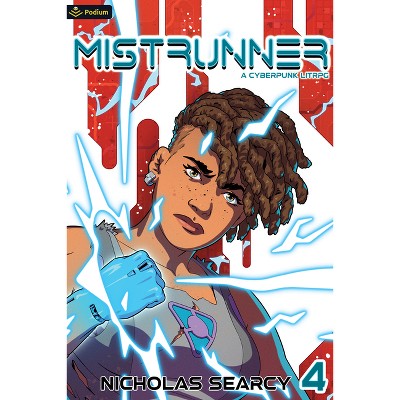



$20.00
ZpnNew at target
Release date Tue, May 11
Ships free -




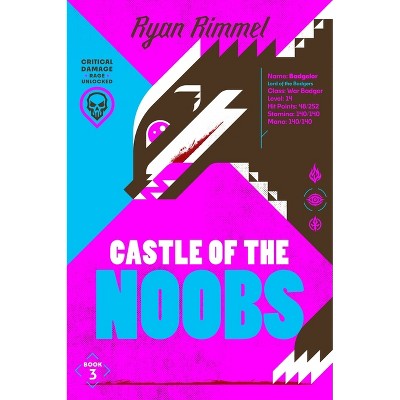
$16.00
MSRP $20.00
Release date Tue, Jan 26
Ships free -
Sponsored
Powered by AI
Guests also ask:
Related searches
- the game
- weird games
- rules of the game
- game of things
- acting game
- whos game
- blood the game
- game of goats
- the voting game cards
- nes games
- games of farmers
- race to the moon game
- murder game
- the christmas murder game
- connection game
- get to know each other games for couples
- game that song
- a game of cat and mouth
- games on fraction
- word wipeout