Target New ArrivalsHalloweenChristmasGift IdeasClothing, Shoes & AccessoriesHome & DecorKitchen & DiningPatio, Lawn & GardenGroceryHousehold EssentialsBabyBeautyTarget Beauty StudioPersonal CareSports & OutdoorsPetsHealthWellnessSchool & Office SuppliesToys & GamesElectronics & TechVideo GamesBooks, Music & MoviesParty SuppliesGift CardsShop by CommunityTarget OpticalDealsClearanceNew ArrivalsBack to SchoolCollegeTop DealsTarget Circle DealsWeekly AdShop Order PickupShop Same Day DeliveryRegistryRedCardTarget CircleFind Stores

a game of fate

1,000+ results for “a game of fate”
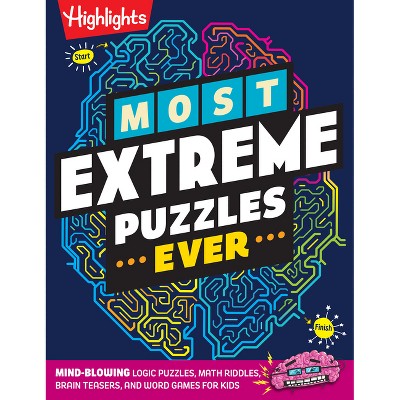
Most Extreme Puzzles Ever - (Paperback)

$12.99
Release date Tue, Jan 5
Ships free -

Curious about Poodles - (Curious about Dog Breeds) by  Rachel Grack (Paperback)

$10.99
Release date Tue, Jan 12
Ships free -
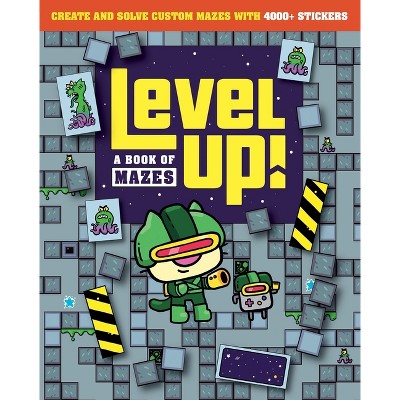
Level Up! - (Paperback)

$9.99
Release date Tue, Dec 1
Ships free -

101 Optical Illusions (Kiwico PB Unpriced Edition) - by  Sam Taplin (Paperback)

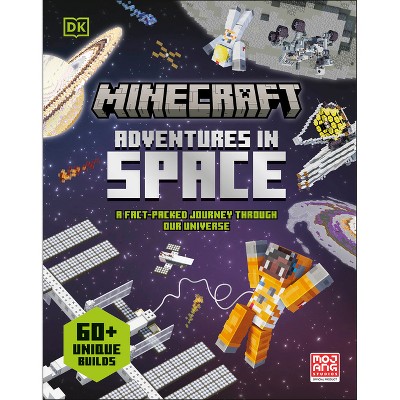
Minecraft Adventures in Space - by  DK (Paperback)

$14.99
Release date Tue, Dec 15
Ships free -
What Kind of Animal Would You Be? - (Brain Candy Books: Irresistible Quizzes) by  Pascale Duguay (Paperback)

Sponsored

Pop! Playbook: Bad Bunny - by  Erik Forrest Jackson (Paperback)

$9.99
Release date Tue, Mar 2
Ships free -

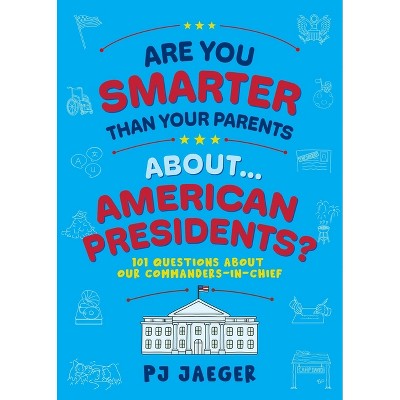
Are You Smarter Than Your Parents About... American Presidents? - by  Pj Jaeger (Paperback)

$15.99
Release date Tue, Feb 2
Ships free -

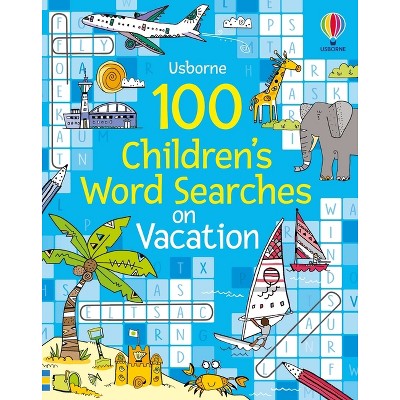
100 Children's Word Searches: On Vacation - (Puzzles, Crosswords and Wordsearches) by  Phillip Clarke (Paperback)

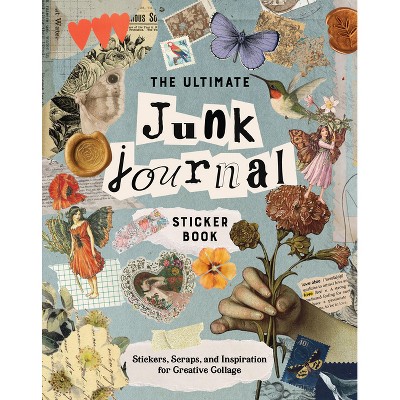
The Ultimate Junk Journal Sticker Book - by  Editors of Chartwell Books (Paperback)

$12.19
MSRP $12.99
Release date Tue, Apr 13
Ships free -

Sponsored

Powered by AI

Guests also ask:

Session length varies by type: party-style fate games often run about 15–30 minutes, many titles list 20–60 minutes, and app-driven or campaign-style experiences are described as episodic—typically under an hour per episode but extendable for longer play.

Common outcome devices include six-sided fortune-telling dice, tarot- or oracle-style card decks, paper fortune-tellers or tear-out notepads, and an electronic glowing orb that displays colors to guide choices.

Mechanics vary but commonly use physical randomizers (dice and card draws), digital elements (an electronic glowing orb), and app-driven story adaptation. Games mix these to resolve outcomes, prompt readings, or influence narrative direction.

Common components include dice, card decks, paper fortune-tellers or notepads, game mats and pieces, and printed instructions or challenge cards—varying by title.

Rounds commonly follow a pattern: players draw or receive cards, assign or rank choices, and a judge or prompt resolves picks. Scoring usually rewards matches or correct predictions, and some games explicitly separate a personality/reading phase from a question-and-answer phase.

Get top deals, latest trends, and more.