Target New ArrivalsBack to SchoolCollegeClothing, Shoes & AccessoriesHome & DecorKitchen & DiningOutdoor Living & GardenGroceryHousehold EssentialsBabyBeautyPersonal CareSports & OutdoorsHealthWellnessSchool & Office SuppliesToys & GamesElectronics & TechVideo GamesMovies, Music & BooksParty SuppliesGift IdeasGift CardsPetsUlta Beauty at TargetShop by CommunityTarget OpticalDealsClearanceNew ArrivalsBack to SchoolCollegeTop DealsTarget Circle DealsWeekly AdShop Order PickupShop Same Day DeliveryRegistryRedCardTarget CircleFind Stores

astronomy toys

641 results for “astronomy toys”
Sponsored
Sponsored

Powered by AI

Guests also ask:

Listings here generally target children from about 4 to 13 years. Many items are aimed at early elementary (≈4–6), middle-childhood (≈8), and older beginners/teens (≈13).

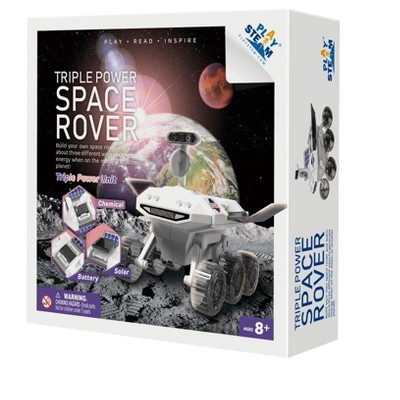
Some toys need no batteries, while others list battery requirements (examples shown include 1 AAA or 3 AA, often “Required, Not Included”). There are also solar-hybrid kits that run on sunlight or on batteries when light is insufficient.

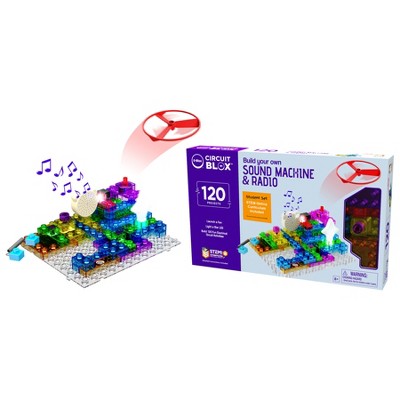
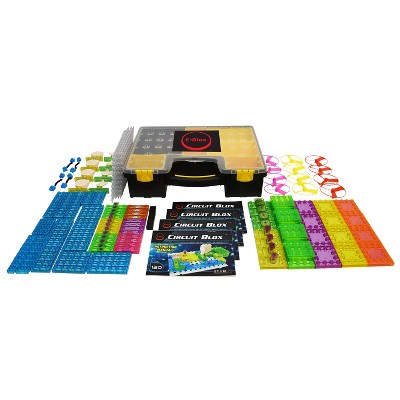
These toys cover astronomy and general science plus related STEM topics such as engineering, basic circuits and renewable-energy concepts, creative problem solving, geology/paleontology (for dig kits), and hands-on exploration skills.

Physical models may use glow-in-the-dark planets and rotating arms; projectors use layered domes or star-mode discs (stationary or moving) to project star patterns onto walls and ceilings.

Typical contents include a planet-shaped block hiding five gems or fossils, digging tools (chisel and brush), an educational poster about the planet and discoveries, and an explorer badge.

Projected altitudes listed range from about 700 feet up to 1,100 feet, depending on the rocket model and engine used.

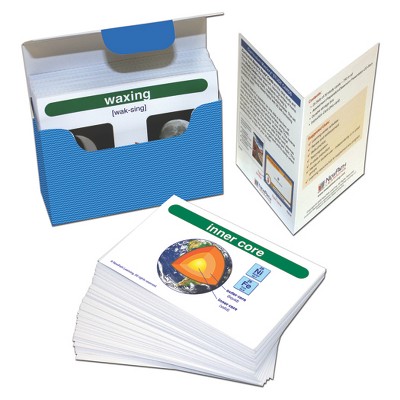
Look for hands-on STEM learning, illustrated guides or fact sheets, age-appropriate assembly, and extras like certificates, explorer badges, posters, or audio content that support gifting and classroom use.

Get top deals, latest trends, and more.