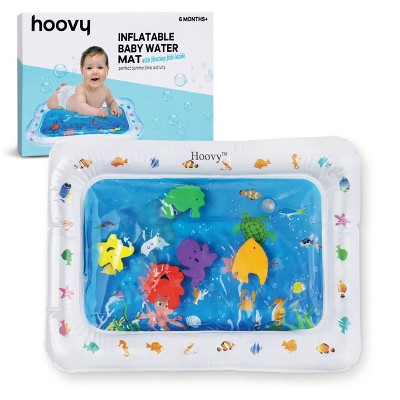
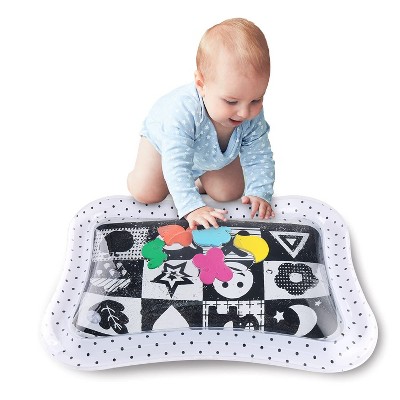
Care instructions vary by product. Many mats recommend spot-cleaning or wiping with a damp, non-abrasive cloth; some are machine washable (follow the label for wash and dry settings). Other mats advise against submersion or soaking and recommend gentle cleaning only. Always follow the manufacturer’s care label and avoid harsh or abrasive cleaners.
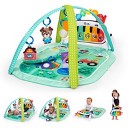
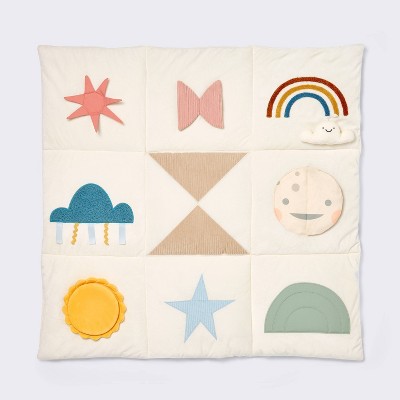
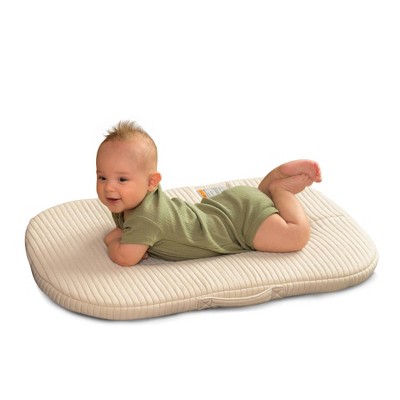
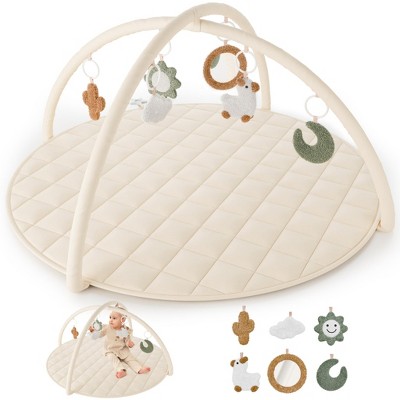
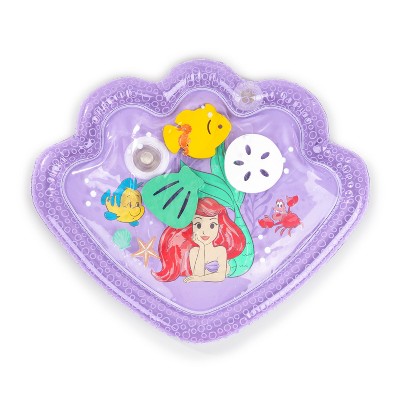
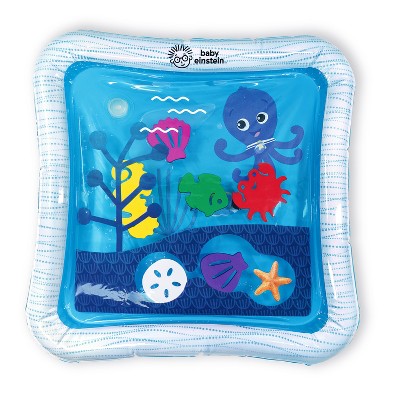
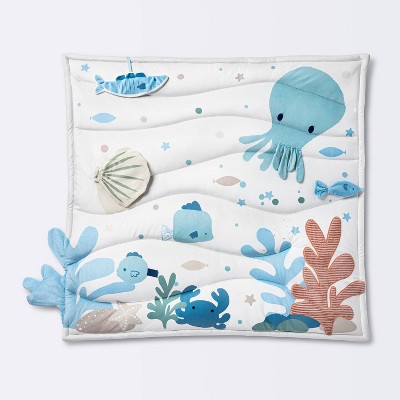
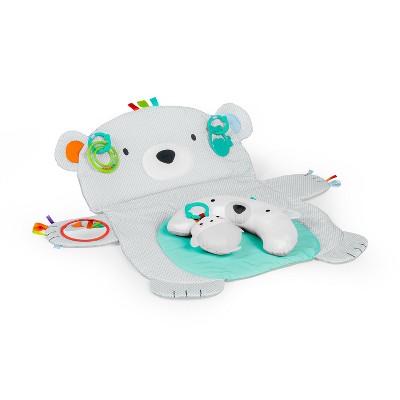
Common tummy-time features include padded surfaces for comfort, prop pillows or raised supports to help babies lift their heads, attached toys and mirrors to encourage reaching and visual tracking, and removable arches or hanging toys that promote grasping and sensory play.
Many baby mats list safety certifications such as ASTM. Some items also show textile or toy standards like OEKO-TEX STANDARD 100, CPSIA, and EN71 on select products. Check product labels or listings to see which specific certifications apply.
Some foam baby mats highlight non-toxic construction and explicitly state exclusions of certain chemicals. Examples in listings include non-toxic EVA foam and claims of being free from PVC, BPA, lead, phthalates, latex, and formamide.
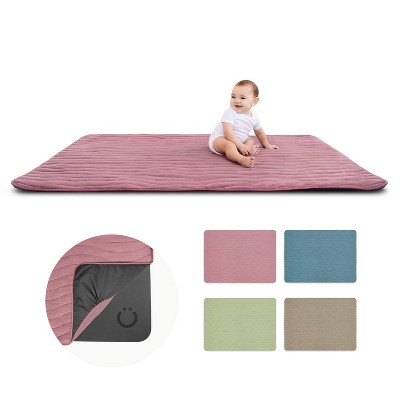
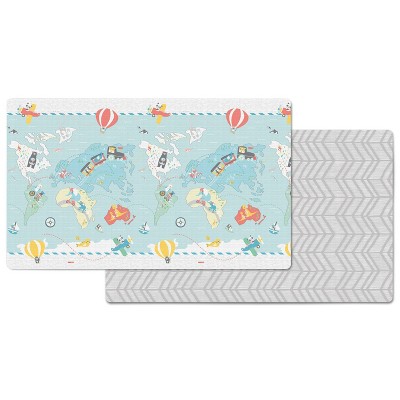
Baby mats come in a range of sizes: small tiles are often about 17–17.5 inches per side, mid-size mats commonly fall around 35–51.6 inches across, and some large fold-out mats reach roughly 57.8 inches across. Check the product’s listed dimensions to confirm fit for your space.
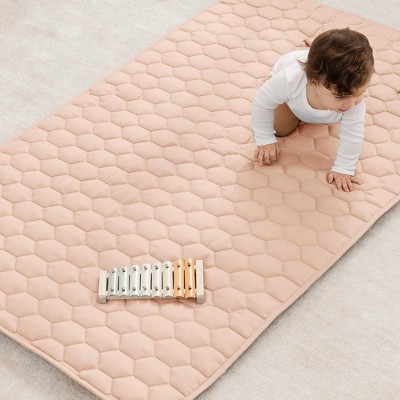
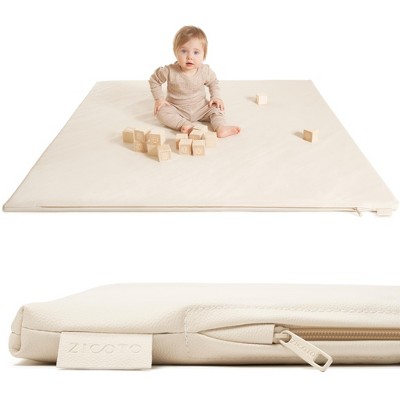
Listings show a mix of materials: various foams (including EVA foam), polyethylene, polyester fabrics, and textile tops such as 100% organic cotton with recycled polyester fill. Some mats also include plastic components for toys, arches, or connectors.
Many mats are labeled for newborns or 0 months up through about 24–36 months. Some listings use broader phrasing like “newborn and up” or “all ages.” Always check the product’s recommended age range to match your child’s needs.
Thickness varies by product. Some modular EVA tiles specify about 0.47 inches of padding, while other foam mats are described more generally as “extra thick and cushioned” for impact absorption. Check the product specification for the exact thickness to ensure the level of cushioning you want.
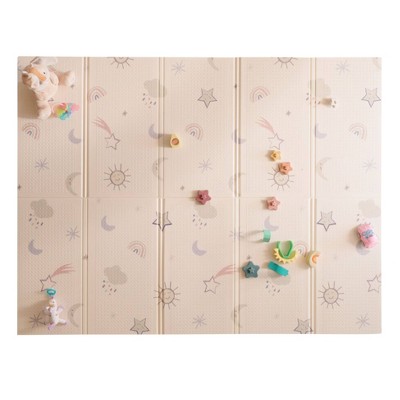
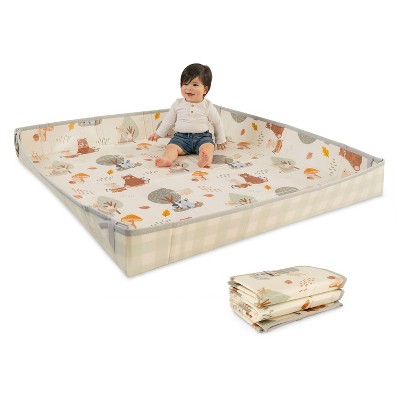
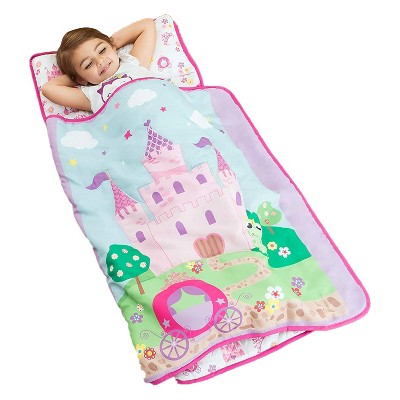
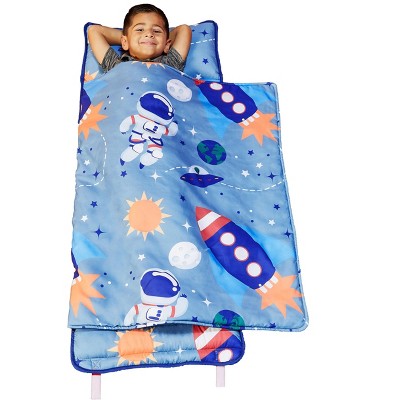
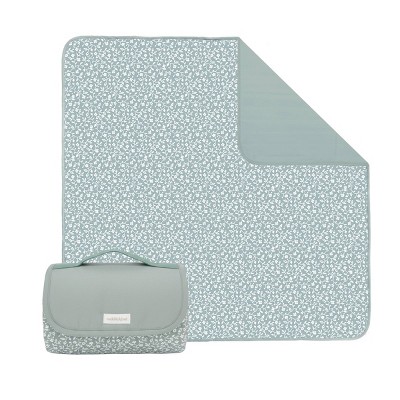
Many baby mats fold or roll for compact storage and are easy to move between rooms; some fold flat and others roll up. A number of listings note included carry bags, and reviewers commonly describe these mats as travel-ready. If portability is important, check how the mat folds and whether a carry bag is included.
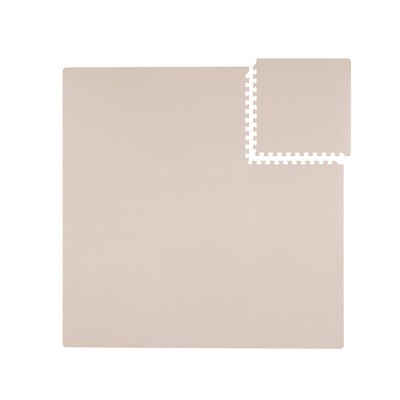
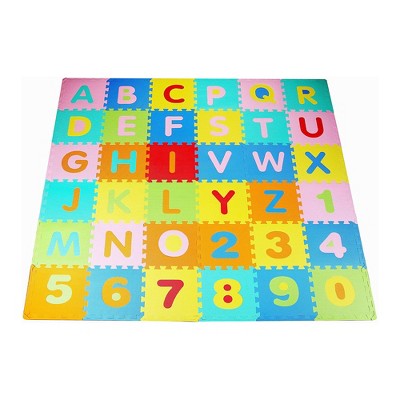
Modular sets commonly assemble into roughly a 51-inch square for a nine-tile set; individual tiles are often about 17–17.5 inches per side. Some six-tile arrangements are described as providing over 11 square feet of play space. Confirm the tile size and number of tiles in a set to know the assembled footprint.