Target New ArrivalsBack to SchoolCollegeClothing, Shoes & AccessoriesHome & DecorKitchen & DiningOutdoor Living & GardenGroceryHousehold EssentialsBabyBeautyPersonal CareSports & OutdoorsHealthWellnessSchool & Office SuppliesToys & GamesElectronics & TechVideo GamesMovies, Music & BooksParty SuppliesGift IdeasGift CardsPetsUlta Beauty at TargetShop by CommunityTarget OpticalDealsClearanceNew ArrivalsBack to SchoolCollegeTop DealsTarget Circle DealsWeekly AdShop Order PickupShop Same Day DeliveryRegistryRedCardTarget CircleFind Stores

baby tracker

1,000+ results for “baby tracker”
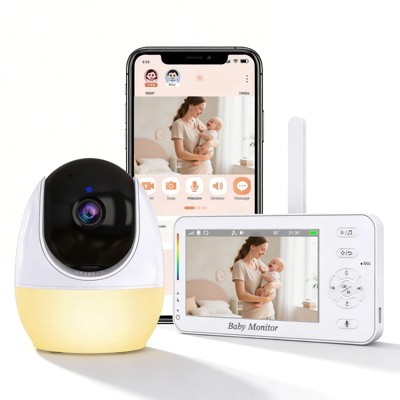
VAVA 720P 5" Baby Monitor

Sponsored

Smart Video Baby Monitor 1080P WiFi with 4.3" Display Night Vision Two-Way Audio Camera

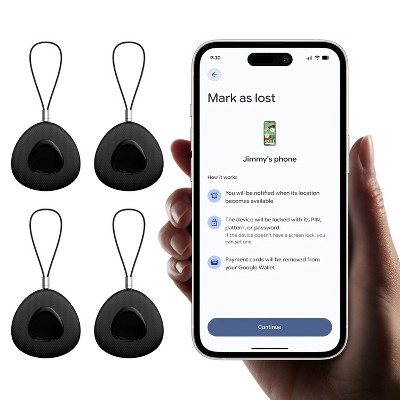
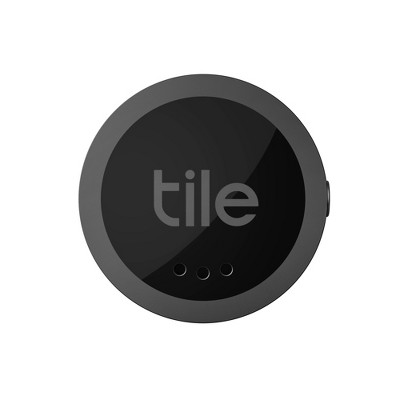
Tile Slim

$29.99

Sponsored

Powered by AI

Guests also ask:

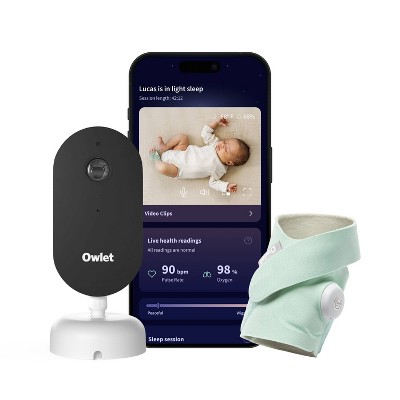
Common metrics reported by wearable baby trackers include pulse/heart rate, blood oxygen (SpO2), movement detection, and ambient/room temperature. Sensor availability and accuracy vary by model—check the product specifications for exact measurements.

Listings commonly indicate suitability for infants from about 0–18 months (many show 1–18 months) and weights roughly between 6 and 30 pounds. Individual product recommendations can differ, so verify the manufacturer’s stated age/weight limits before purchase.

Product listings mention features such as 2K HD streaming, a wide‑angle lens (around 130°), approximately 4x digital zoom, automatic saving of video clips, and audio filtering to reduce background noise. Exact capabilities vary by camera model.

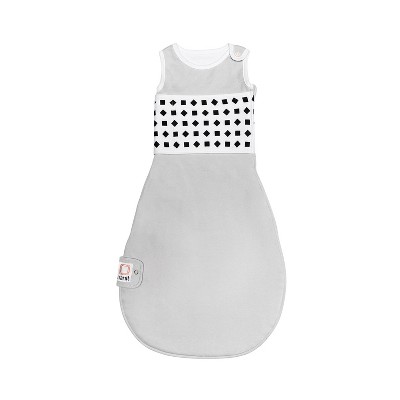
Care instructions vary across listings: several specify 'Hand Wash' for wearable components, while at least one notes 'Do Not Wash.' Because cleaning requirements differ by product, follow the manufacturer’s care instructions included with the device.

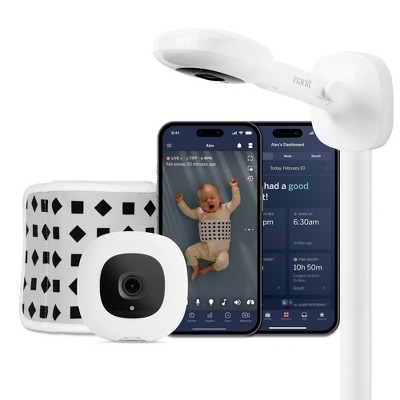
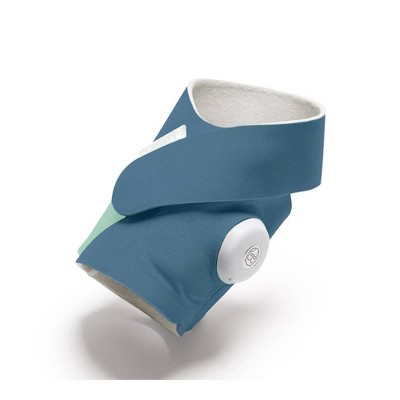
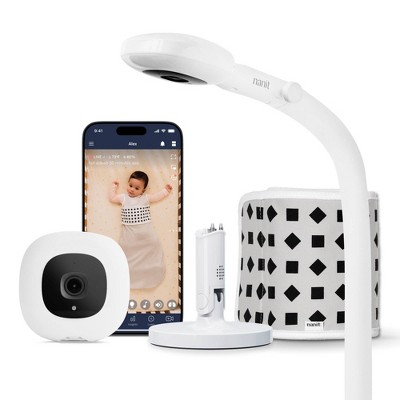
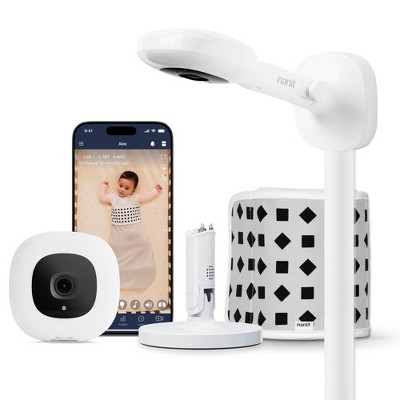
Common options include wearable infant sensors (often foot wraps) that track live pulse and oxygen, stand‑alone monitoring cameras with HD streaming, and bundled systems that combine a wearable sensor and an HD camera into one connected app.

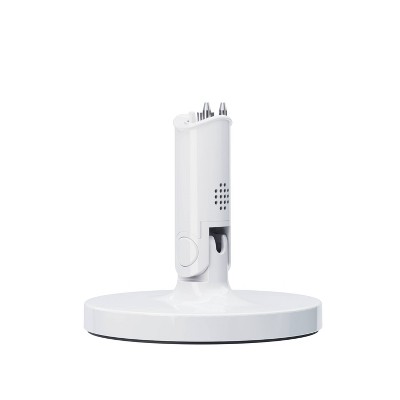
Wearable infant sensors commonly pair to a nearby base station via Bluetooth, and manufacturers often recommend keeping the base station within about 30 ft for best performance. Some setups also use Wi‑Fi and include out‑of‑range indicators in the app or base station.

Some listings mention regulatory or industry certifications such as FDA clearance/approval, FCC, and ASTM. Security and privacy features noted in available details include independent cybersecurity marks, data encryption (for example, 256‑bit), and authentication controls—availability varies by product.

Companion smartphone apps commonly provide real‑time alerts to your phone (and to a base station where present), customizable notifications for sound, movement, and crying, saved video clips, and unified dashboards that combine live video and health vitals. Some systems also offer predictive sleep insights and downloadable reports.

Get top deals, latest trends, and more.