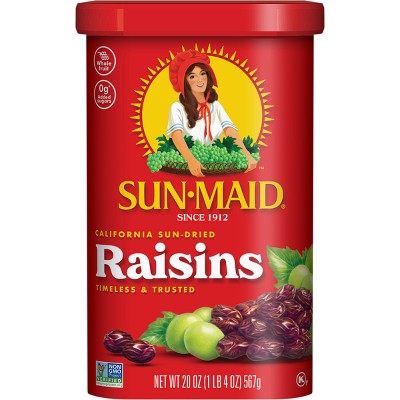
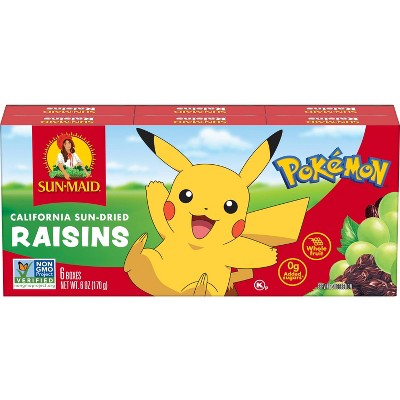
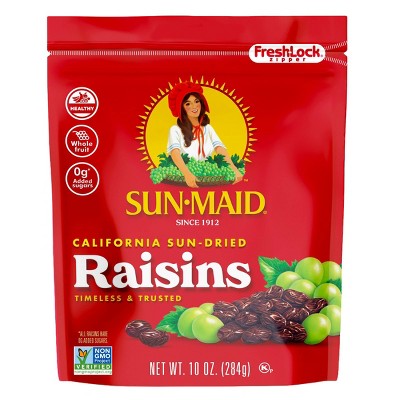
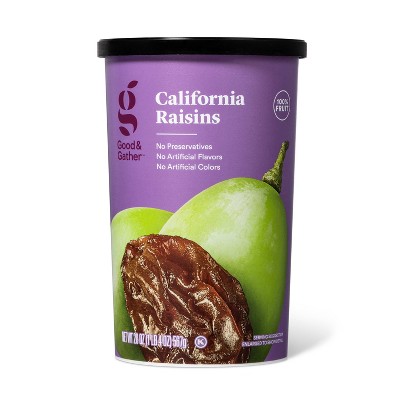
Product labels commonly state '0g added sugar' and will explicitly note when no preservatives or no added sulfites are used. Check the nutrition facts and the ingredient statement for claims like 'no preservatives', 'no added sulfites', or 'no added sugar' to confirm.
Raisin packages use simple form labels such as 'Dried' or 'Pieces.' For readiness, labels typically say 'Ingredient' (indicating bulk or baking use) or 'Ready to Eat' (suitable for snacking or for adding directly to recipes without prep). These tags help you choose between baking-focused or snack-ready products.
Product descriptions often call raisins plump, sweet and chewy or tender; some listings add 'moist' or 'large' to highlight texture. These descriptors signal a fruity sweetness and texture that work well in baked goods.
Store raisins in a cool, dry place at room temperature. After opening, keep them in resealable pouches or zip-top bags (or an airtight container) to help preserve freshness and prevent drying out.
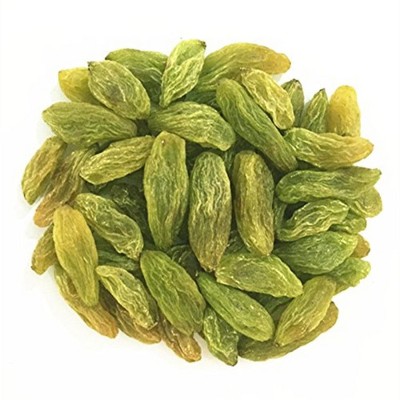
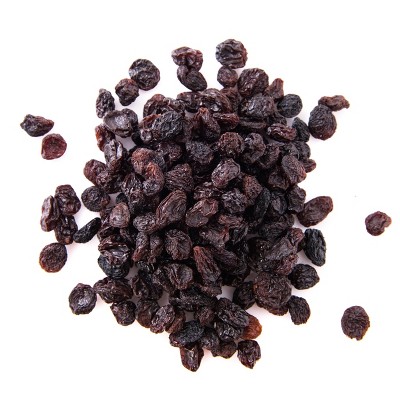
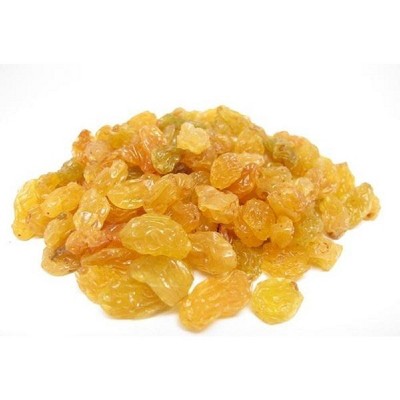
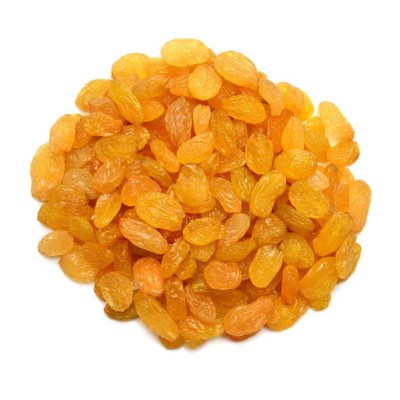
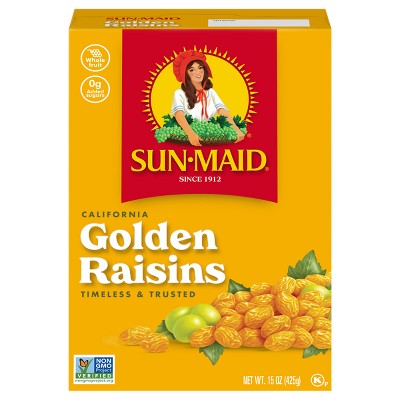
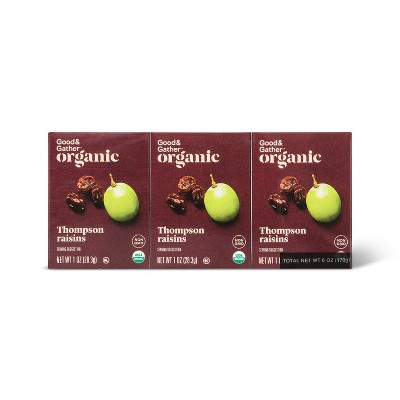
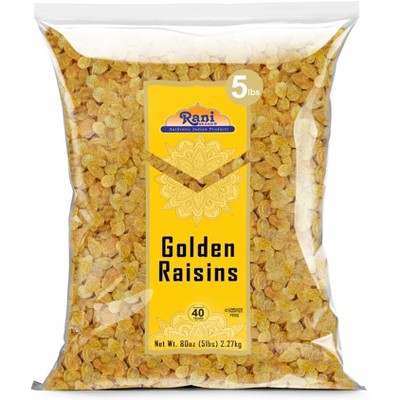
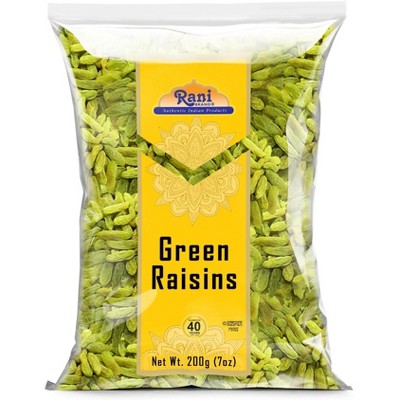
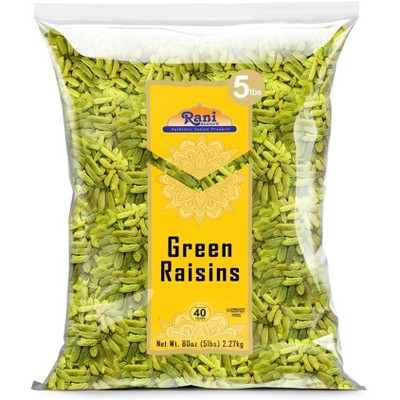
Common baking varieties include golden raisins, sun-dried or California raisins, Thompson seedless raisins, and organic raisins. Product descriptions often flag these types as suitable for both baking and snacking.
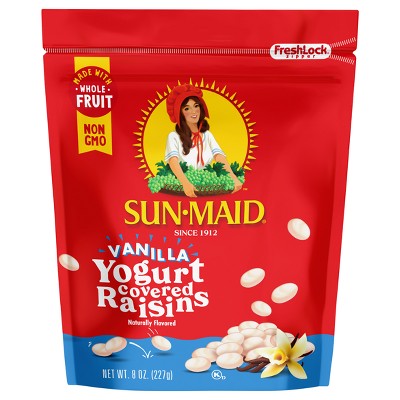
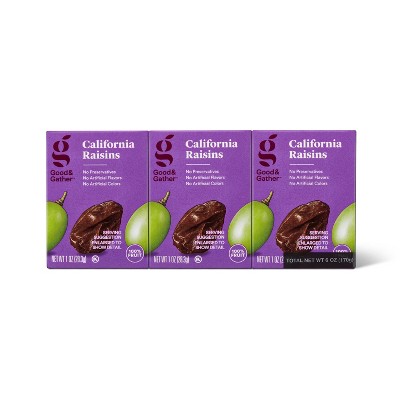
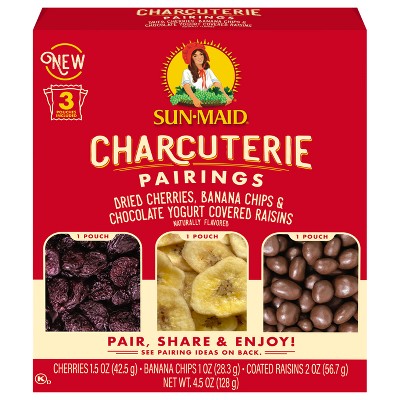
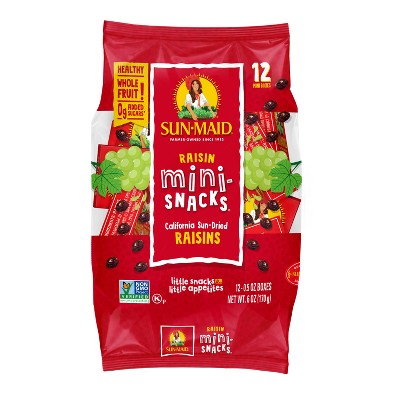
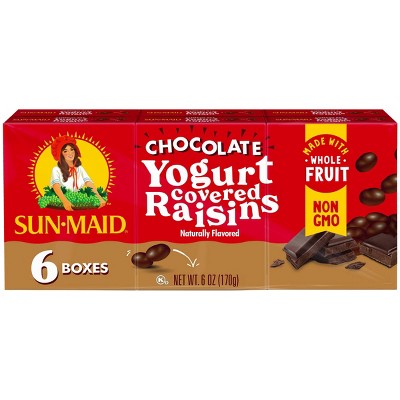
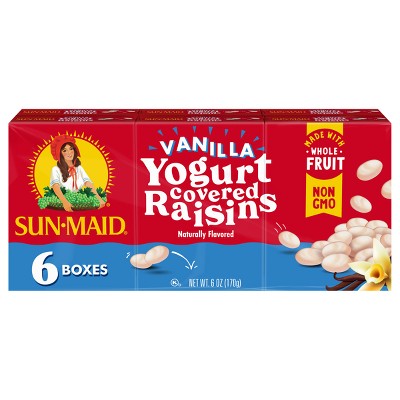
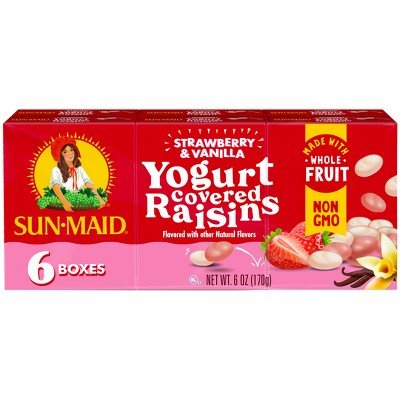
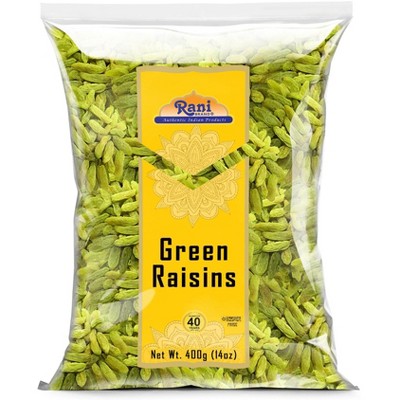
Some raisin products come in resealable bags to preserve freshness, while others are offered in single-serve formats such as miniature snack boxes or multiple small snack-size containers for on-the-go use.