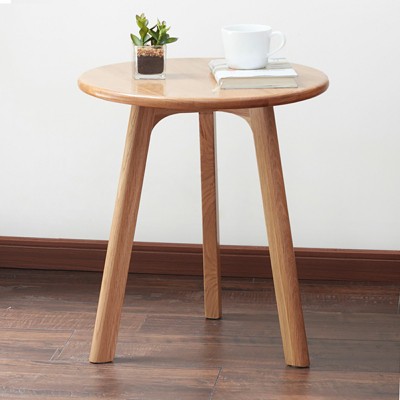
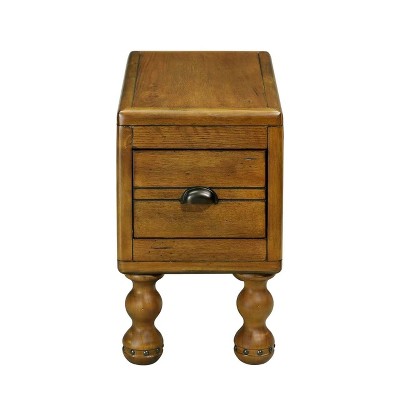
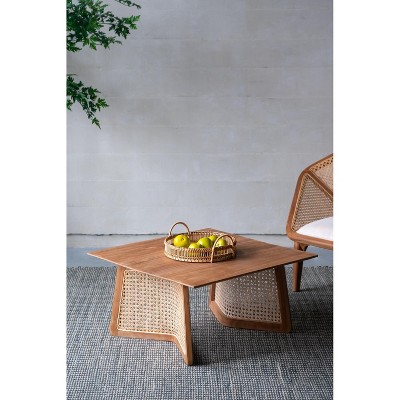
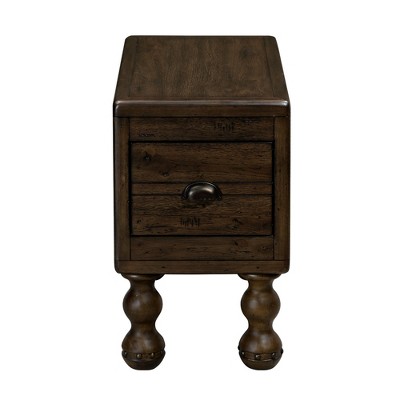
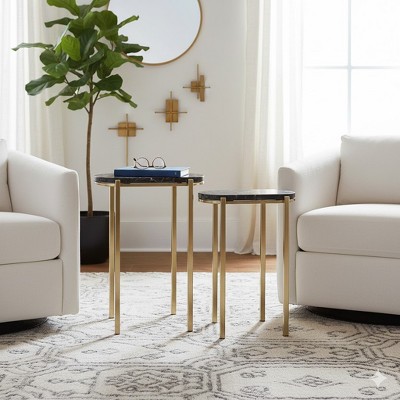
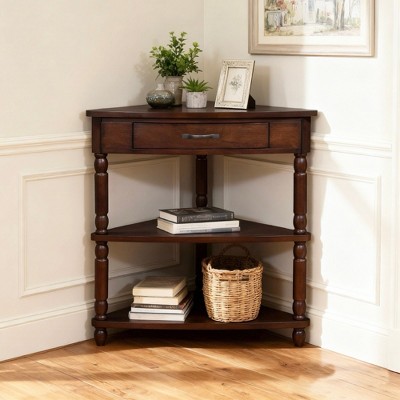
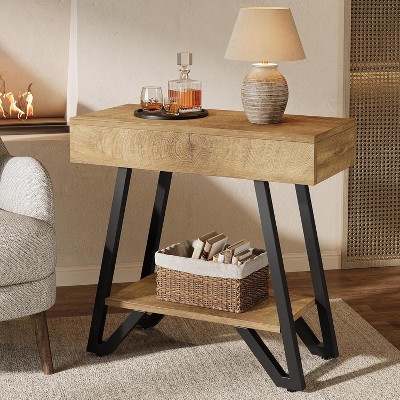
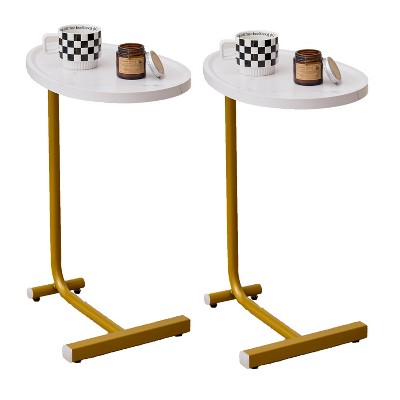
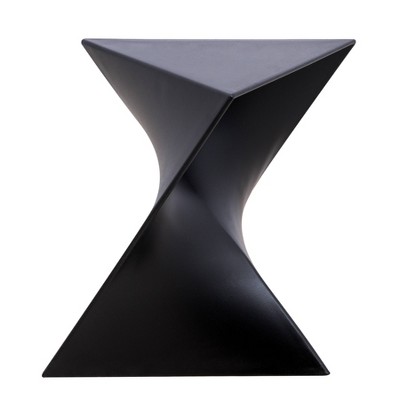
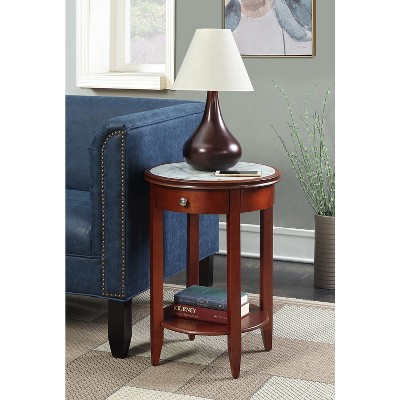
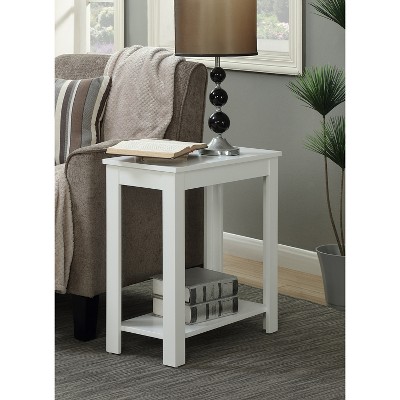
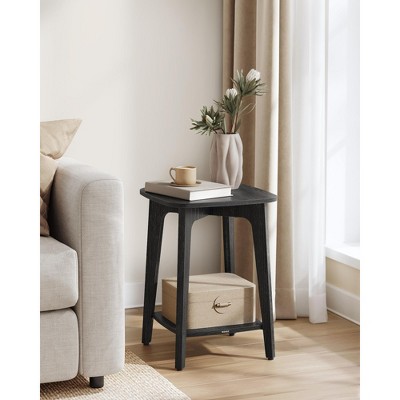
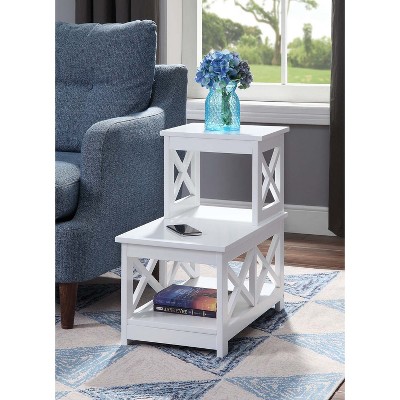
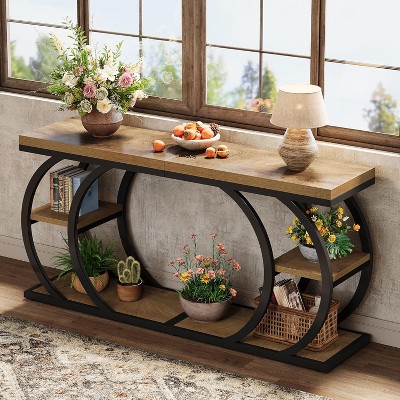
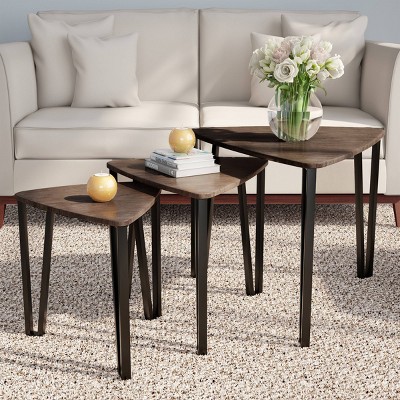
Common materials for small-space tables include metal (iron, steel, aluminum), wood-based tops such as particleboard or MDF with paper veneer, and tabletop plastics or polyethylene used on foldable tables. These options balance durability, weight, and cost for compact furniture.
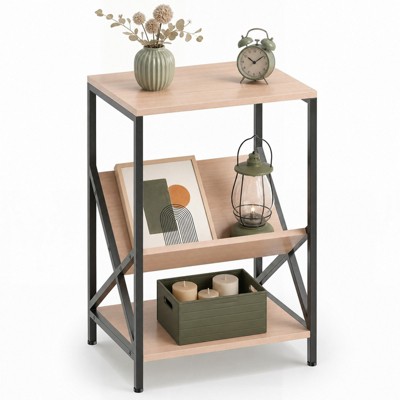
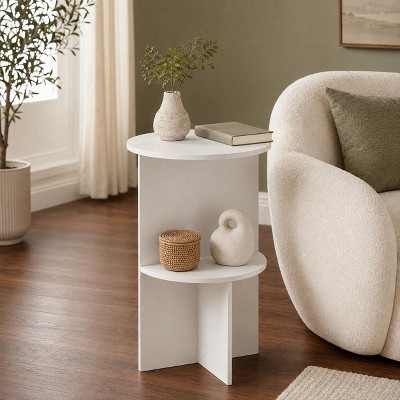
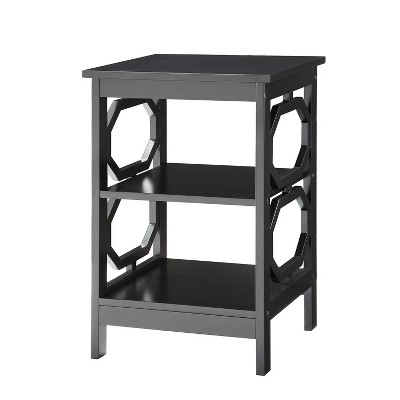
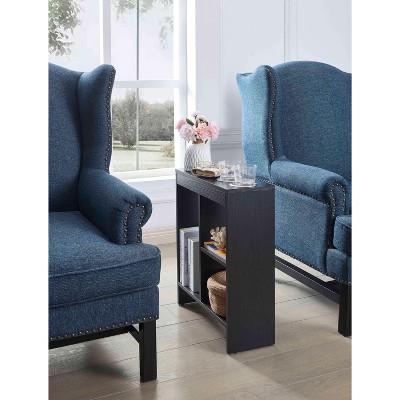
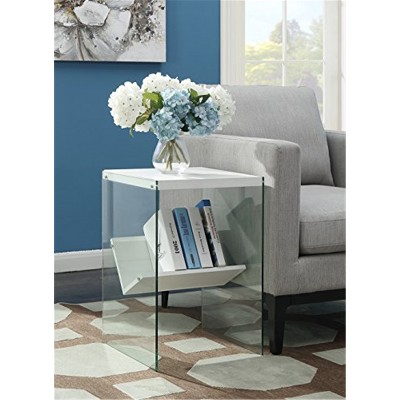
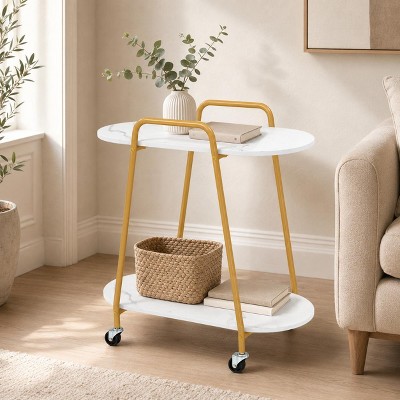
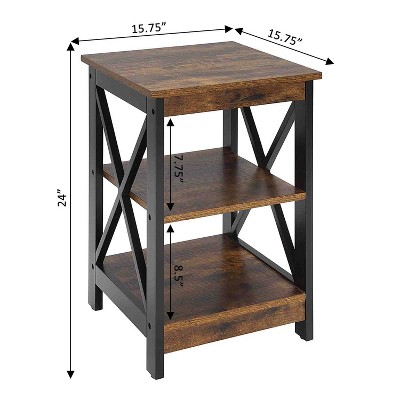
Small-space tables often add functionality through features like lower shelves or two-tier designs for extra storage, raised lips or edges to reduce spills, and compact flat tops sized for lamps, drinks, or small decor. These features maximize utility without taking up extra floor space.
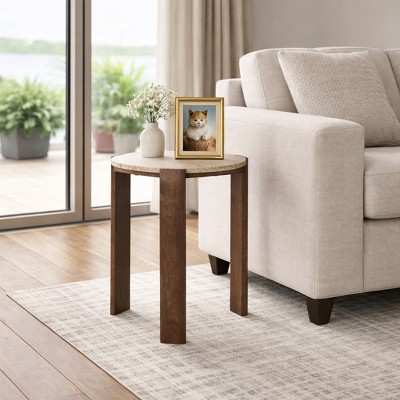
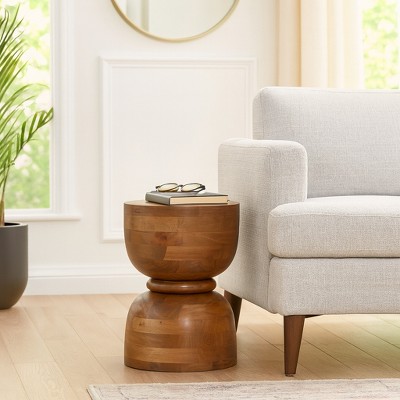
For small spaces, end and accent tables are most often round or rectangular. Some listings also describe drum- or cylinder-style accent tables, which save visual space and work well in tight layouts.
Listed weight capacities for small-space tables in these results range roughly from 50 pounds up to 300 pounds. Many accent and drink tables show capacities around 50–55 lb, while some adjustable-height or heavier-duty models are rated up to about 300 lb.
Some small-space tables fold and include carry handles or adjustable heights for easier transport. Many accent and drink tables are also compact and lightweight, making them easy to move between rooms as needed.