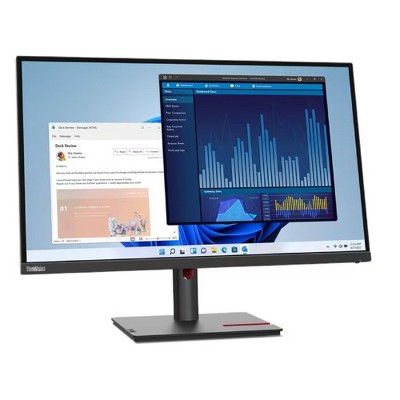
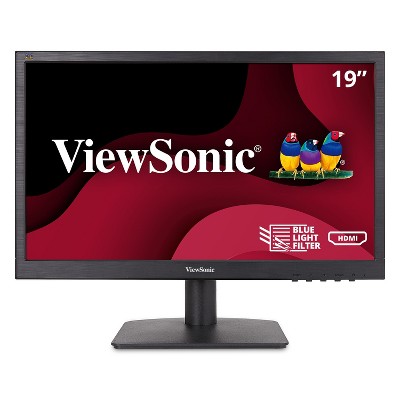
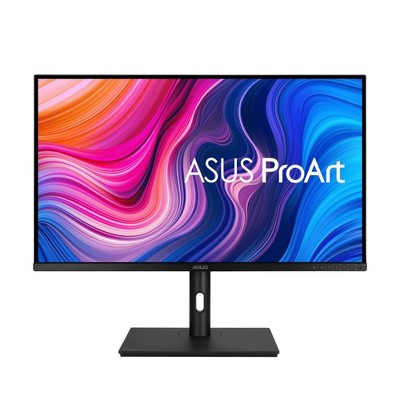
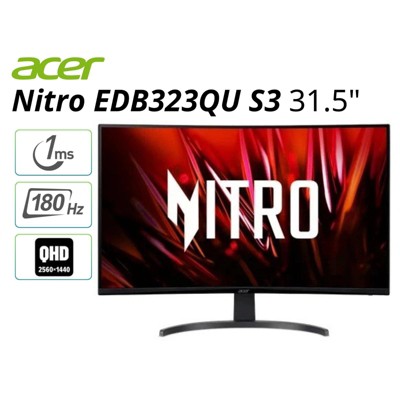
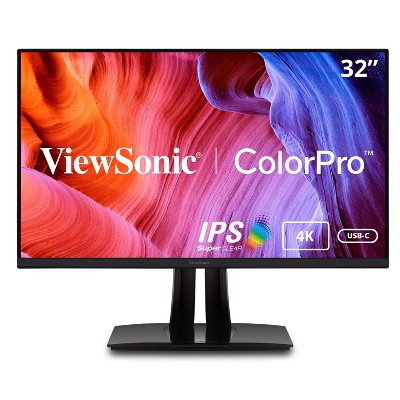
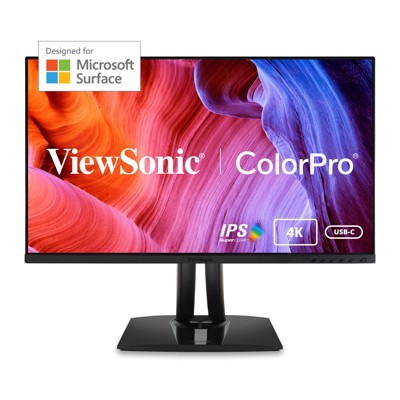
Common resolutions in the listings include Full HD (1920×1080) for general office use, ultrawide QHD (3440×1440) for expanded single-screen workspace, and 4K UHD (3840×2160) for high-detail professional or creative work.
Refresh rates vary by target use: many general-purpose or work-focused monitors list 60–100 Hz, while higher-performance or gaming-oriented models can reach the 120–180 Hz range (some listings note 160 Hz). Typical response times are around 5 ms for standard panels, with faster panels advertised at 1 ms.
Listings commonly report sRGB coverage and wider-gamut options: for example, about 99% sRGB on a typical 23.8" model, and 100% sRGB or listings showing 1.07 billion colors on higher-end 4K displays.
Both are shown as viable options: ultrawide 21:9 screens provide a large single workspace for side-by-side windows, while multi-monitor or dual-display configurations (including near-seamless/borderless setups) expand usable desktop area for multitasking.
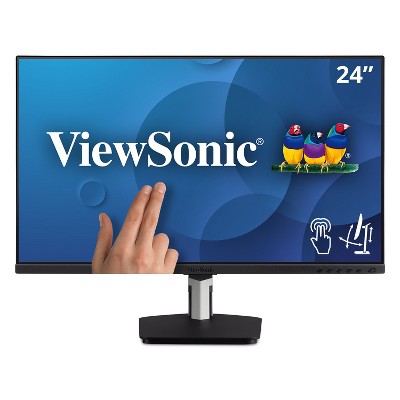
HDMI appears on many models; some also include DisplayPort and legacy VGA. A few listings mention USB ports. Always check the individual model’s spec sheet for the exact port selection.
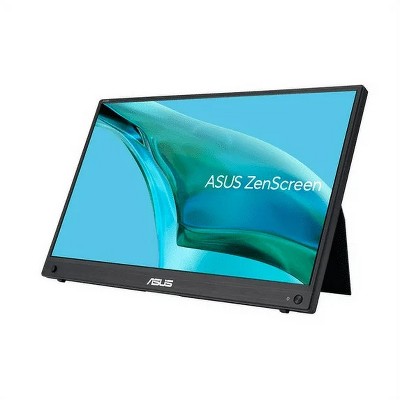
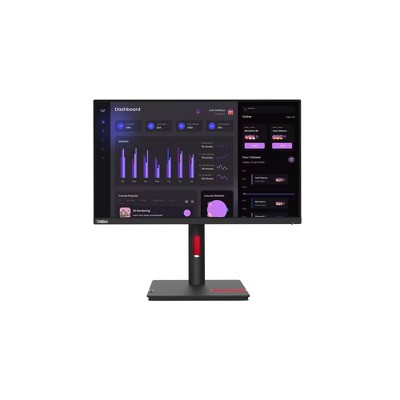
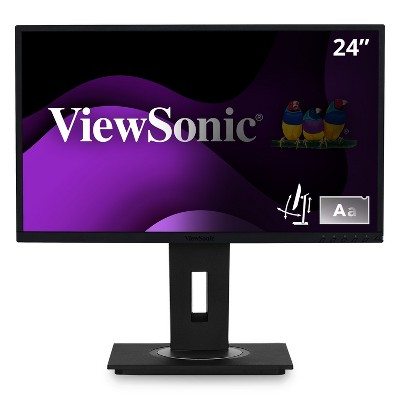
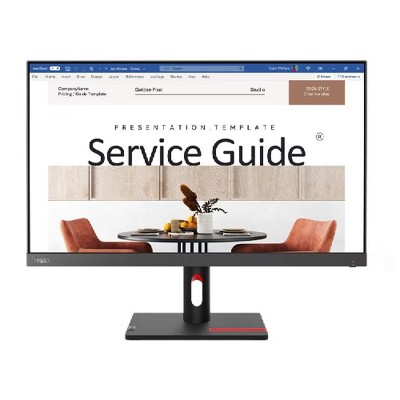
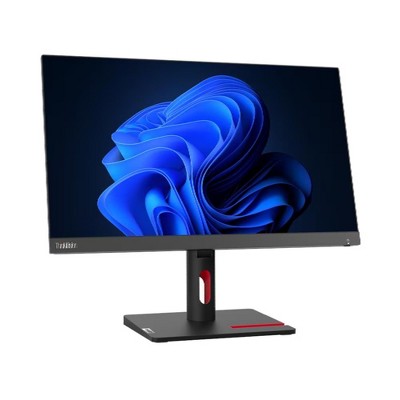
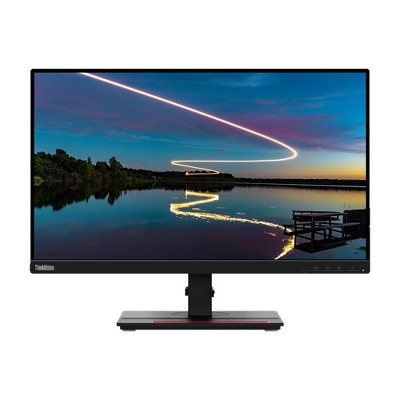
Options vary by model: many monitors include tilt and height-adjustable stands, several list VESA 100×100 compatibility, while others do not support mounting. Some listings also note integrated cable management or wall-mountable support.
Review summaries often praise performance (image quality, HDR, and high refresh rates) and note that refurbished units frequently appear like-new and are cited as good value. Some reviews also report occasional defects or mounting issues.