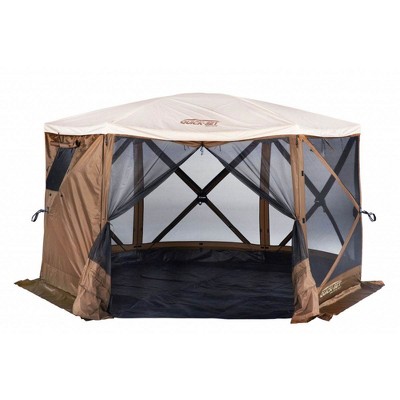
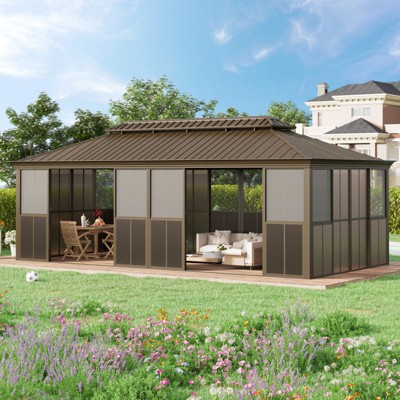
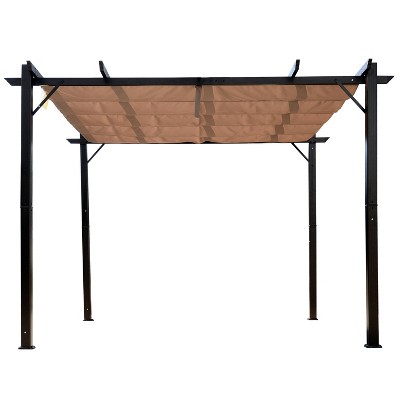
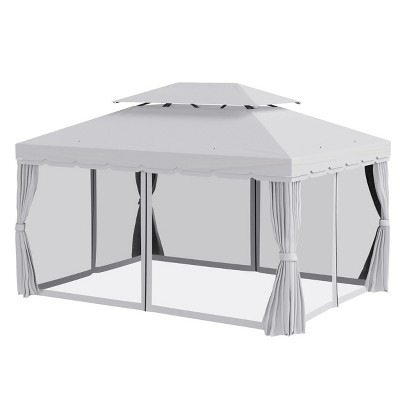
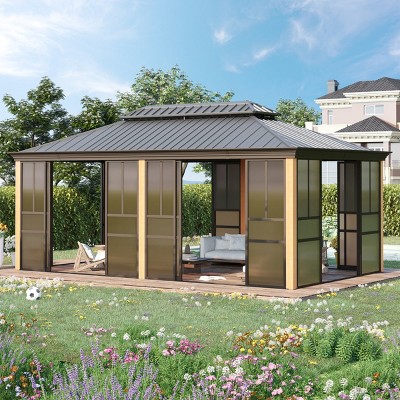
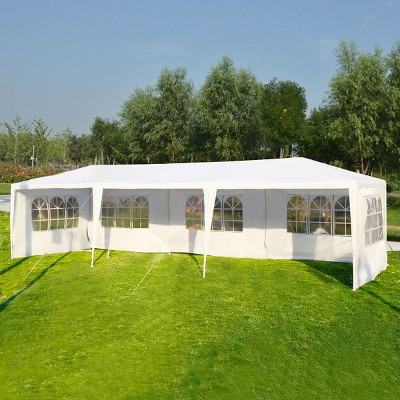
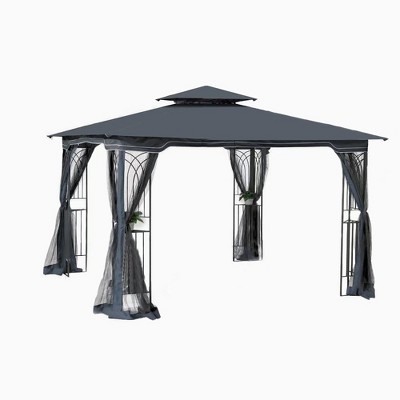
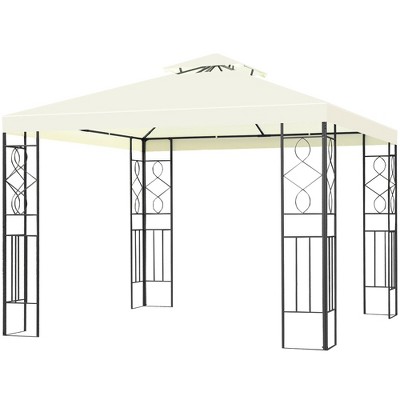
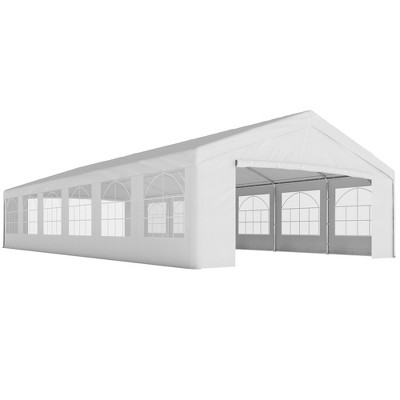
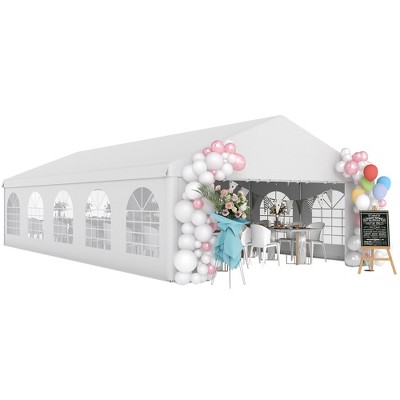
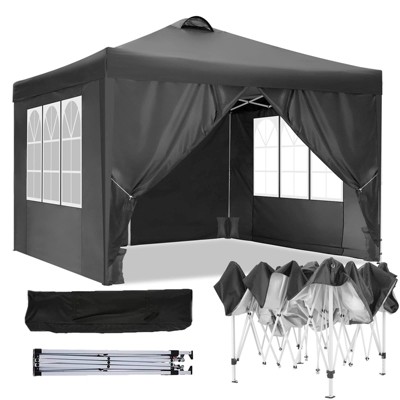
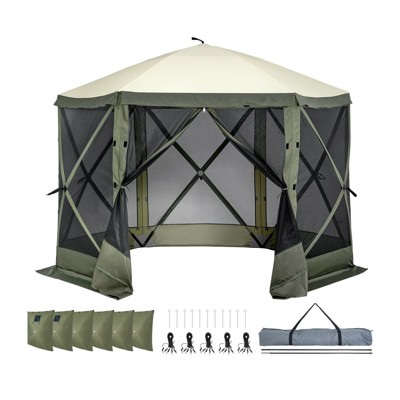
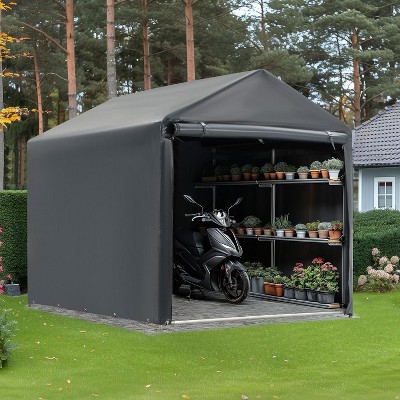
Common canopy footprints range from 10x10 up to 16x20 and larger. Typical shade areas given in listings include: 10x10 ≈ 100 sq ft, 12x12 ≈ 144 sq ft, 10x17.6 ≈ 176 sq ft, 10x20 (gazebo top) ≈ 240 sq ft, and 16x20 ≈ 320 sq ft. Use these examples to match canopy size to your coverage needs.
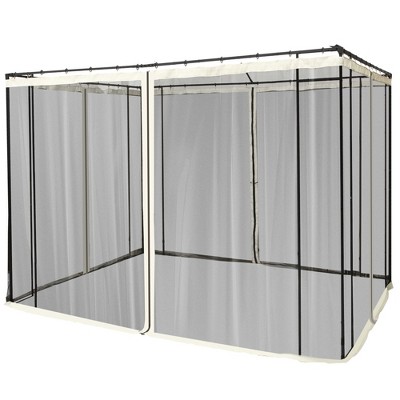
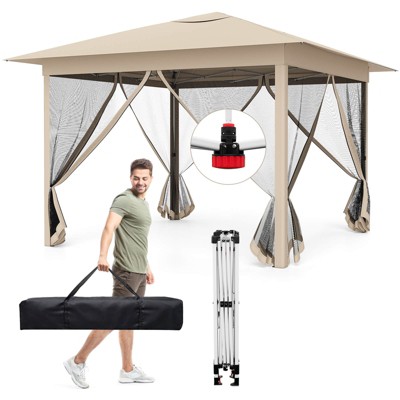
Many canopies offer removable or detachable sidewalls, with some including windows or zippered doors. Several gazebo-style tops provide removable zippered mosquito netting or mesh sidewalls for insect protection and airflow. Attachment methods (zippers, Velcro, ties) vary by model—confirm details in the product description.
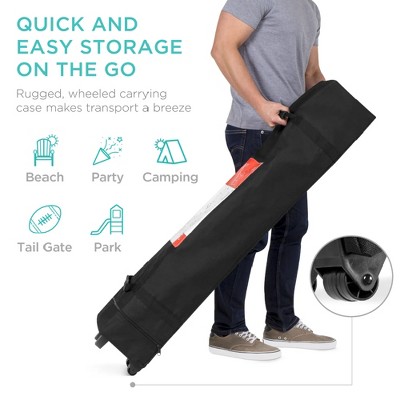
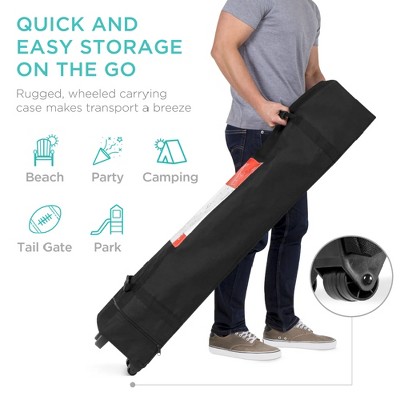
Net weights in listings range roughly from about 40 lbs up to 150 lbs. Common portability features include a carrying bag (often with handles) and, on some models, wheeled bags or built-in wheels to help move the canopy. Heavier frames are more stable but less easy to transport—check the weight and bag style before purchase.
Wind and load guidance varies by model. Some descriptions recommend securing the tent when wind speeds reach or exceed about 25 mph. One gazebo listing mentions a commercial-grade frame with a stated load capacity up to 150 lbs. Because limits differ between products, always check the specific product specifications and follow manufacturer safety recommendations.
Larger footprints are better for medium and larger events: a 16x20 canopy provides about 320 sq ft and is described as seating roughly 40–50 guests (4–5 tables). A 10x20 canopy can fit about 15–20 people or 3–4 long tables. Smaller sizes such as 12x12 and 10x10 cover around 144 sq ft and 100 sq ft, respectively, and suit smaller groups (about 10–12 people). Use these examples to choose a size that matches your guest count and table layout.