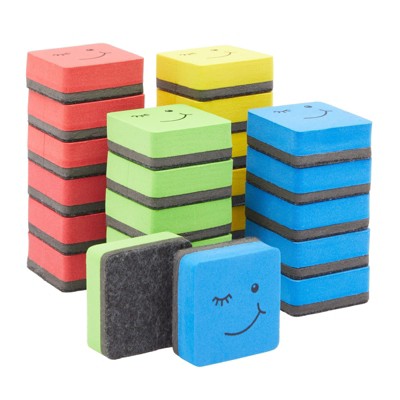
Dry-erase block erasers are typically made from soft pile felt and are intended for whiteboards and most non-porous surfaces. To clean them, wash gently with soap and water and let air dry.
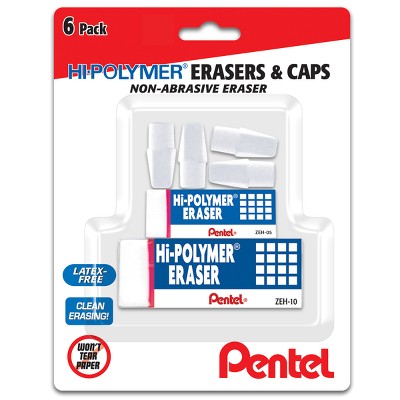
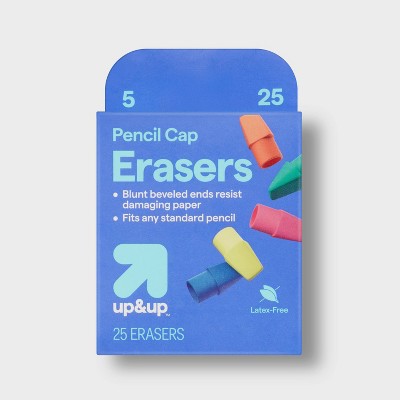
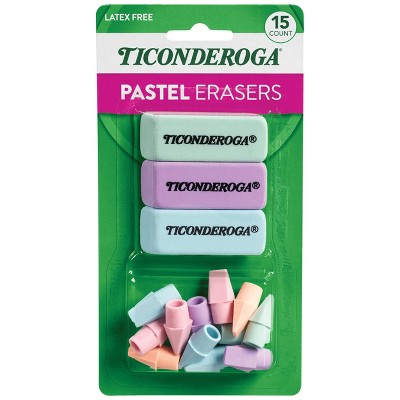
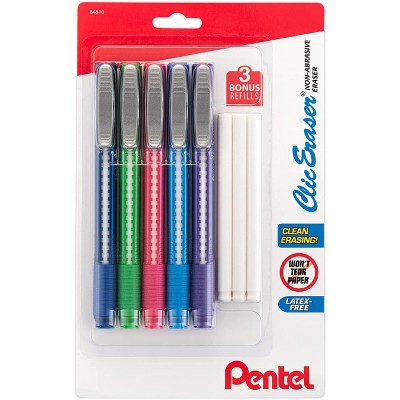
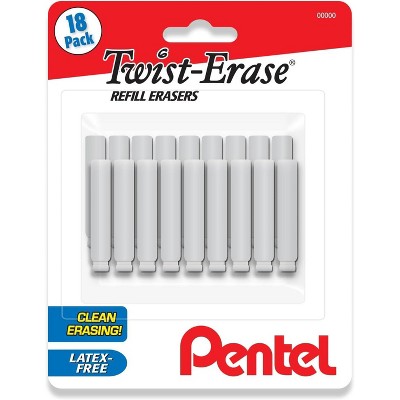
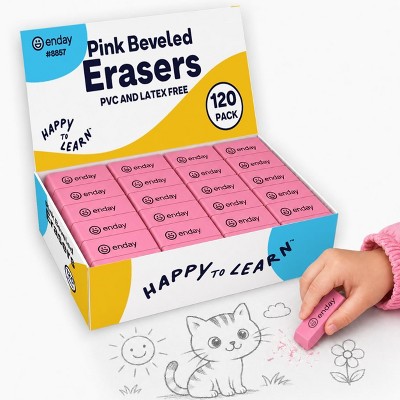
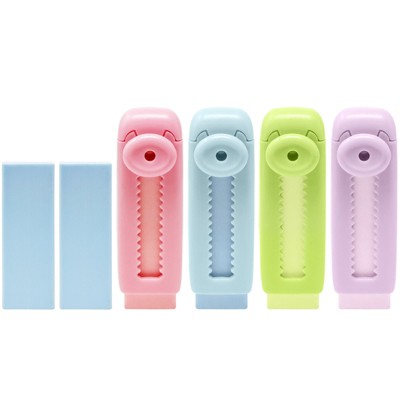
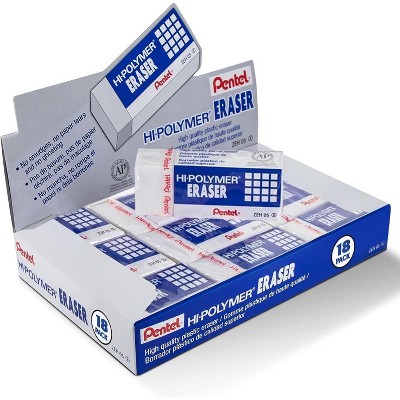
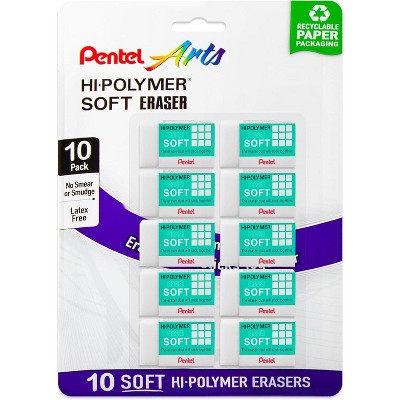
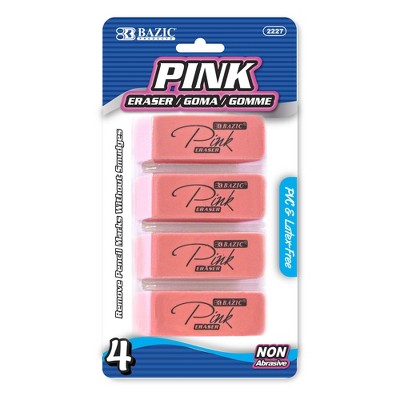
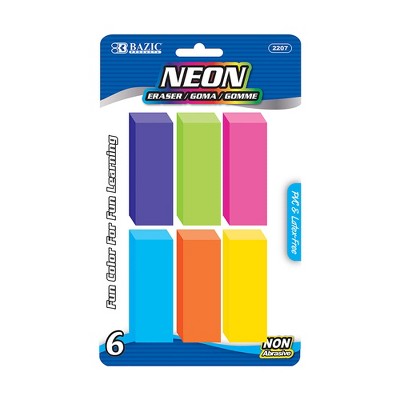
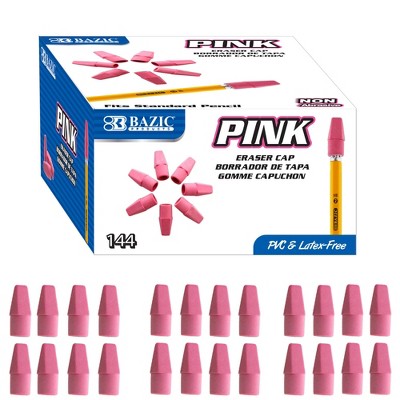
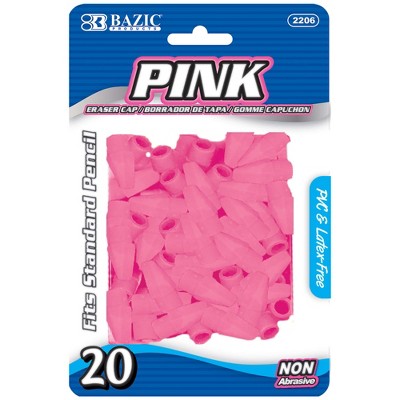
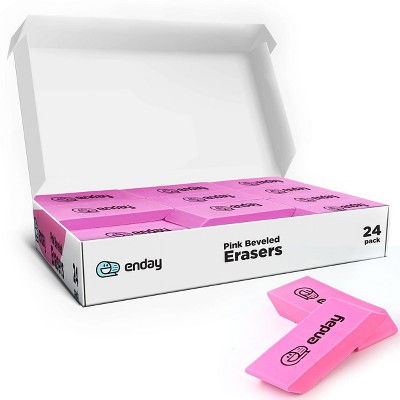
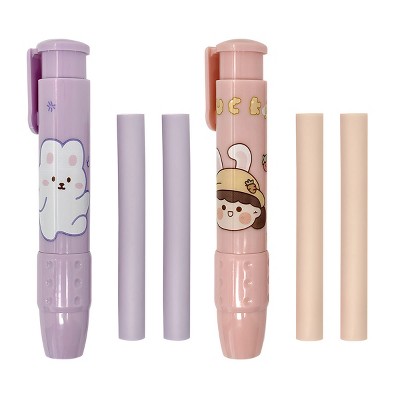
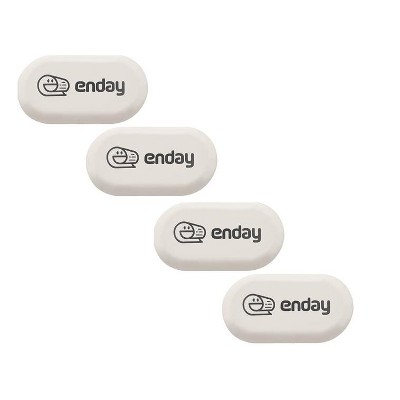
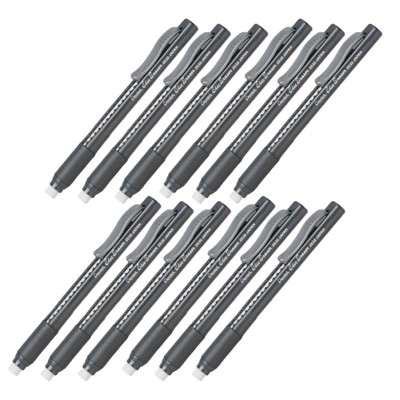
Many pencil block erasers are labeled latex-free; some are specifically PVC- and latex-free. Hi‑polymer (synthetic polymer) constructions are also commonly used. Check the product label for exact material and allergen information.
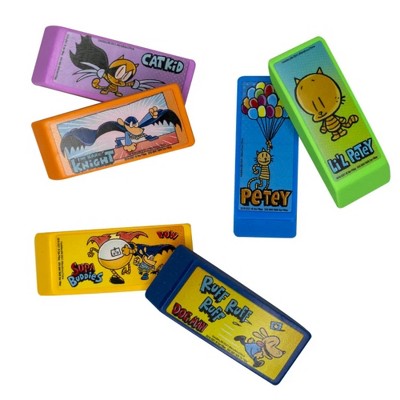
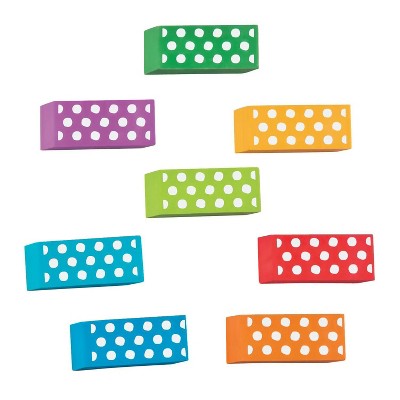
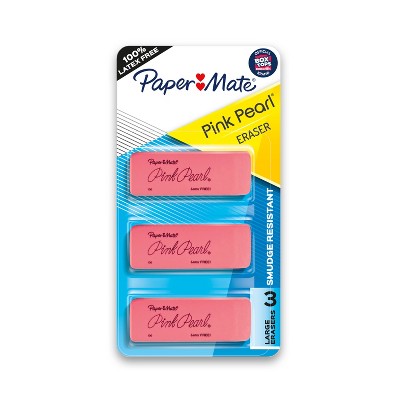
Jumbo or large block erasers are designed in an easy-to-grasp block shape to improve hold and control. That larger, chunky shape makes them suitable for children and for artists working on sketches or detailed drawings.
- Melamine eraser pads (magic sponges): wet with water before use.
- Dual-sided sponge erasers: dampen before use; use the scrubbing face for tough spots and the absorbent side for finishing.
- Soft-pile whiteboard/block erasers: clean gently with soap and water and allow to air dry.
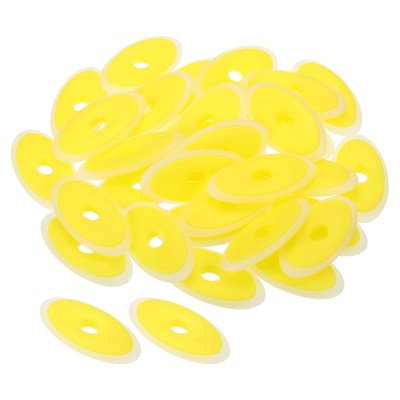
Brick-style block erasers are commonly made from plastic or synthetic polymers (including hi‑polymer), synthetic rubber, or polyurethane foam. Eraser pads and cleaning sponges often use melamine foam (melamine eraser pads).
Melamine eraser pads and cleaning sponges remove scuffs, crayon marks, stains, and built-up dirt from hard household and office surfaces such as desks, kitchen countertops, doors and walls, sinks and tubs, tile, switch plates, and around door handles.
Dual-sided eraser sponges handle heavier cleaning: removing scuff marks and stains from walls, floors, and doors; tackling built-up dirt and grime; removing crayon and scuff marks from painted surfaces and rubber soles; and spot-cleaning sinks, tubs, and tile. Some listings note a jumbo size with a scrubbing face paired with an absorbent side for larger or tougher jobs.