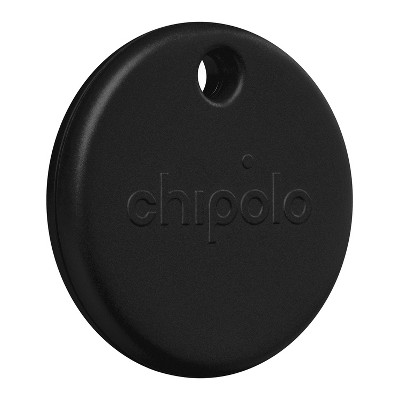
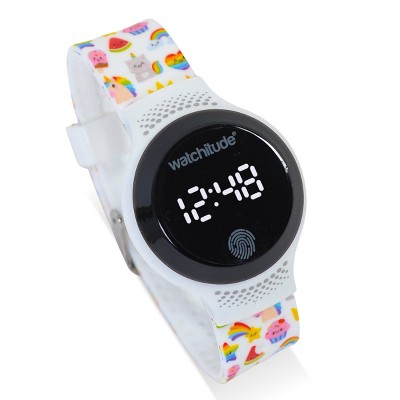
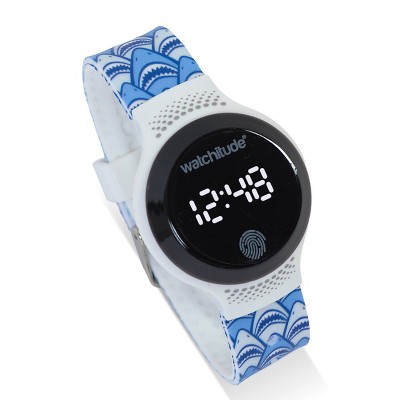
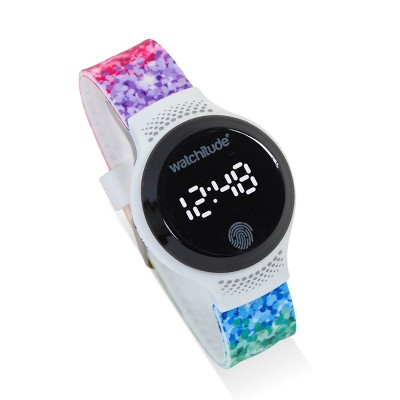
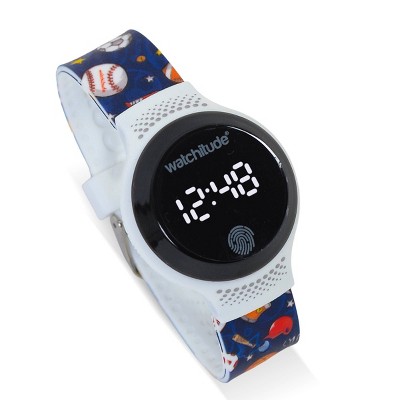
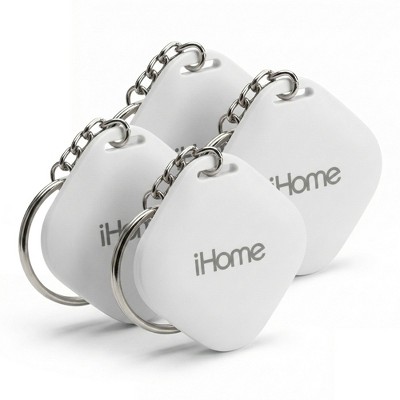
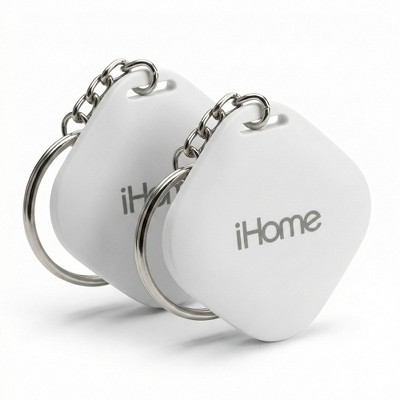
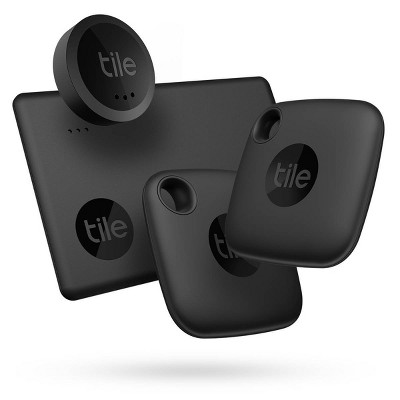
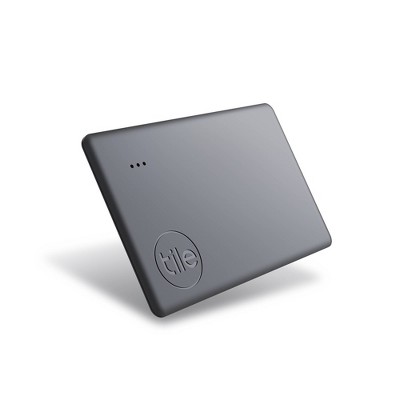
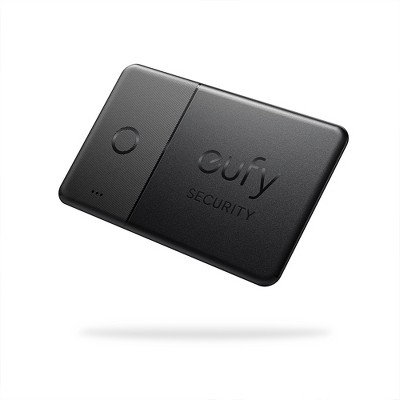
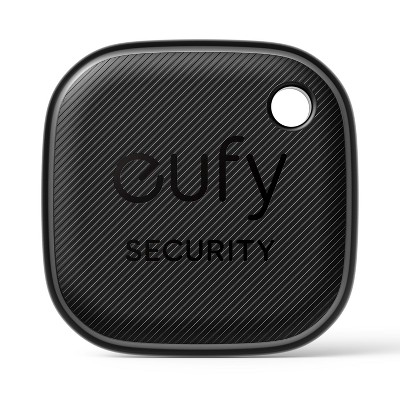
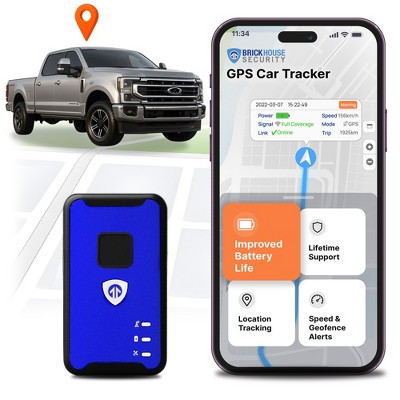
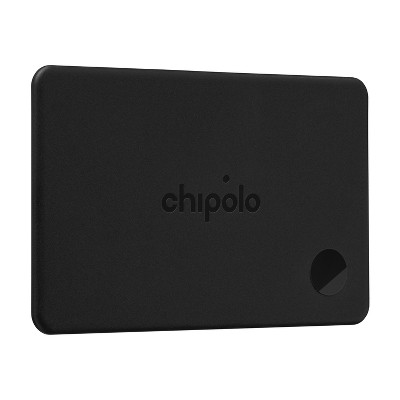
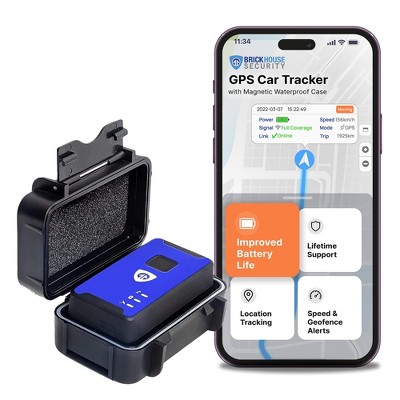
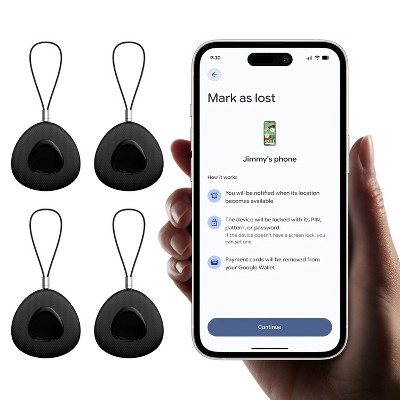
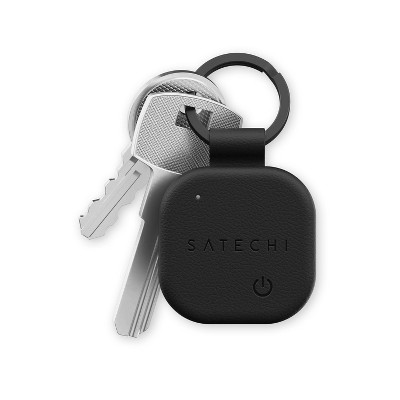
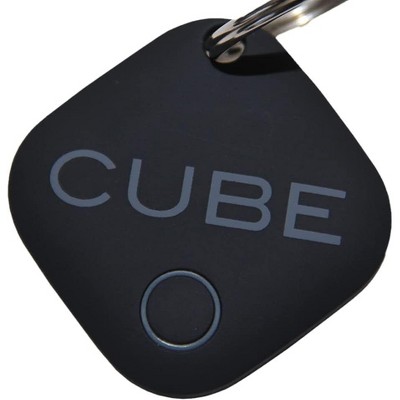
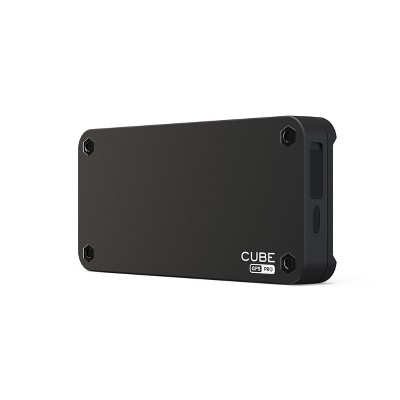
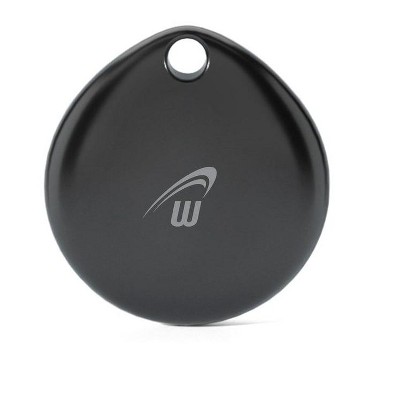
The listings show a mix of technologies: short-range Bluetooth and radio‑frequency (RF) tags for nearby tracking, and GPS combined with cellular (cell‑tower) and Wi‑Fi assisted reporting for real‑time, long‑range location tracking.
Some trackers require a paid subscription (monthly or yearly) to access real‑time tracking features, and most GPS trackers listed need a cellular data connection to report location. Listings often note whether a SIM or activation/data plan is required.
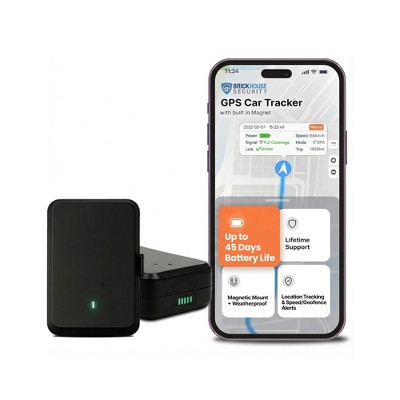
The listings include different mounting options such as flexible silicone loops for hanging and models with strong or extra‑strong magnets for attaching to metal surfaces. Check each product for additional accessories or mounting methods.
Common features across the listings include real‑time location reporting, SOS or emergency pings, geo‑fencing/boundary alerts, location history (trips, stops, speed), and the ability to share a device’s location with multiple accounts.
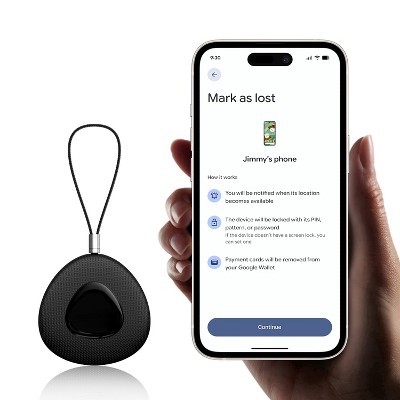
Some trackers can make a paired phone ring, vibrate, or flash to help you locate it. From the companion app you can also trigger the tracker itself (for example, to make a sound) or send remote alerts and notifications to connected users.
The GPS trackers listed require a cellular data connection to send location updates. Listings commonly note that the device uses the cellular network and may include a SIM or require activation of a data plan.
Several listings specify an IP67 rating, indicating the devices are dust‑tight and can withstand temporary immersion in water. Check each product listing for the exact ingress protection rating and any additional durability details.
Companion apps described in the listings typically support account/location sharing across multiple users, setting virtual geo‑fences with real‑time alerts, viewing location history (trips, stops, speed), and displaying the device’s last known location on a map.